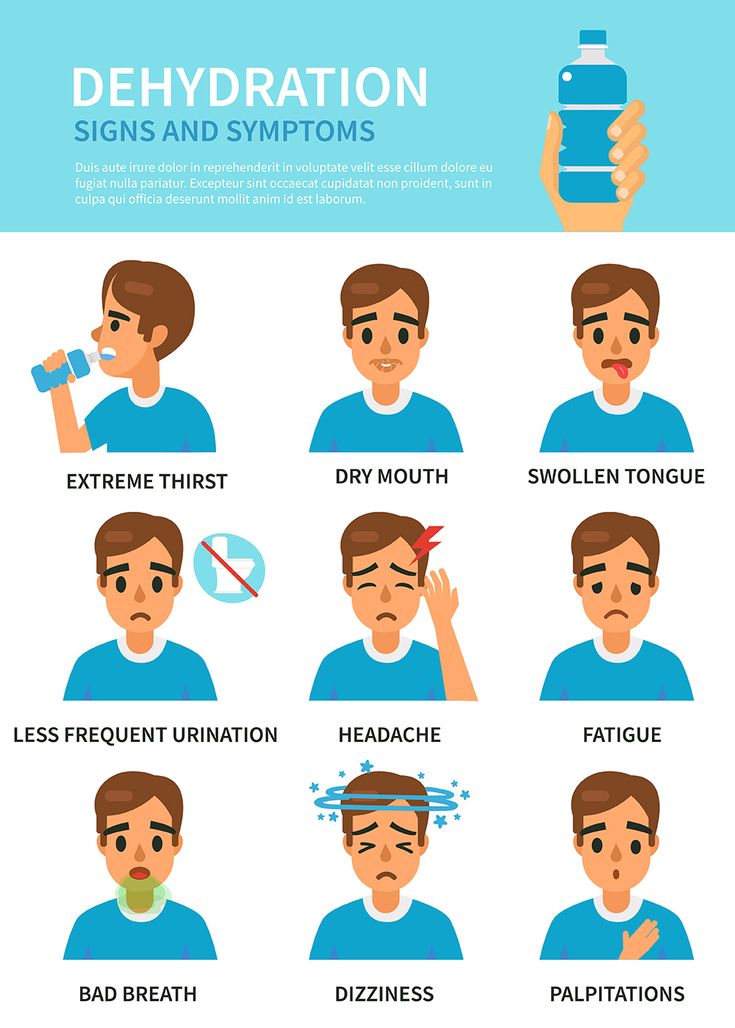
Signs of Dehydration: How to Recognize and Prevent It
Dehydration occurs when your body loses more water than it takes in, resulting in an imbalance of fluids. This can happen due to various reasons such as excessive sweating, not drinking enough fluids, or certain medical conditions. Regardless of the cause, it’s important to be aware of the signs and symptoms of dehydration so that you can take appropriate action and prevent further complications.
1. Dry Mouth and Thirst:
One of the most common early signs of dehydration is a dry mouth. When your body lacks sufficient water, saliva production decreases, leading to a parched feeling. Additionally, you may experience an intense thirst that persists even after drinking water. These signals from your body are indications that you need to rehydrate immediately.
2. Dark Colored Urine:
The color of your urine is a helpful indicator of hydration levels. When dehydrated, your kidneys conserve water by reducing urine output and concentrating it more intensely than usual. As a result, urine becomes darker in color (amber or honey-colored), signaling dehydration.
3. Fatigue and Weakness:
Dehydration often leads to feelings of fatigue and weakness as reduced fluid levels affect overall energy levels in the body. Inadequate hydration impairs blood circulation which transports oxygen and nutrients throughout the system – causing exhaustion and lethargy.
4. Dizziness or Lightheadedness:
When dehydrated, blood volume decreases due to fluid loss which affects blood pressure regulation leading to dizziness or lightheadedness upon standing up suddenly or changing positions too quickly.
5. Headaches:
Dehydration can trigger headaches for several reasons; firstly because lack of fluids reduces blood flow to the brain causing mild headaches; secondly because electrolyte imbalances occur during dehydration which also contribute towards headache development.
6. Muscle Cramps:
Electrolytes like sodium and potassium play crucial roles in muscle function. Dehydration disrupts the balance of these electrolytes, leading to muscle cramps and spasms. If you experience sudden muscle cramps, especially during physical activity or in hot weather, it may be a sign that your body needs more fluids.
7. Dry Skin:
Your skin requires hydration to maintain its elasticity and overall health. When dehydrated, you might notice dryness, tightness, and rough texture as water is lost from the cells of your skin. In severe cases of dehydration, the skin may become extremely dry and start peeling.
8. Reduced Urination:
Under normal circumstances, adults typically urinate 4-10 times a day depending on fluid intake. However, when dehydrated, urine production decreases as the body tries to conserve water for vital functions instead of excreting it through urine.
9. Rapid Heartbeat:
Dehydration can cause an increase in heart rate due to reduced blood volume circulating throughout the body. This compensatory mechanism attempts to deliver oxygen and nutrients more efficiently but can lead to palpitations or feelings of a racing heartbeat.
10. Sunken Eyes:
When severely dehydrated, the eyes may appear sunken due to decreased fluid levels in the tissues surrounding them. This can give a hollowed-out appearance with dark circles under your eyes—an obvious indication that immediate rehydration is necessary.
Prevention is Key
While recognizing signs of dehydration is important, taking steps to prevent it altogether is crucial for maintaining optimal health:
1. Stay Hydrated: It’s recommended to drink at least 8 cups (64 ounces) of water per day but individual requirements vary based on factors like age, sex, climate conditions, physical activity level etc.. Listen to your body’s thirst signals and strive for regular hydration throughout the day.
2. Monitor Fluid Intake: Keep track of how much fluid you consume by using measurements such as reusable water bottles or mobile apps that help monitor daily water intake. This will ensure you meet your hydration goals.
3. Electrolyte Balance: Include foods rich in electrolytes like potassium (bananas, avocados) and sodium (broth, pickles) to maintain proper fluid balance within the body.
4. Limit Diuretic Beverages: Drinks containing caffeine or alcohol act as diuretics, increasing urine production and contributing to dehydration. If consuming these beverages, do so in moderation and compensate by drinking extra water.
5. Be Mindful of Activity Levels: Sweating during physical activity accelerates fluid loss, so it’s important to drink plenty of fluids before, during, and after exercise or any strenuous activities.
6. Eat Hydrating Foods: Incorporate fruits and vegetables with high water content such as cucumbers, watermelons, oranges, and tomatoes into your diet for added hydration support.
7. Stay Cool in Hot Weather: When the temperature rises or you find yourself exposed to excessive heat or humidity, take extra precautions by seeking shade when possible and wearing appropriate clothing to prevent excessive sweating.
Conclusion
Dehydration can occur at any time and its consequences can range from mild discomfort to severe health issues if left untreated. By recognizing the signs of dehydration early on – dry mouth/thirst, dark colored urine, fatigue/weakness – you can take immediate steps towards rehydration through increased fluid intake. Remember that prevention is always better than cure; staying mindful of your fluid intake throughout the day can help avoid complications associated with dehydration while promoting overall well-being.

Leave a Reply