Portion Control for Seniors: A Key to Healthy Eating
As we age, our nutritional needs change. It becomes increasingly important for seniors to adopt healthy eating habits that support their overall well-being and prevent the development of chronic diseases. One crucial aspect of a balanced diet is portion control. Controlling portion sizes can help older adults maintain a healthy weight, manage blood sugar levels, and reduce the risk of heart disease. In this article, we will explore why portion control is essential for seniors and provide some practical tips on how to achieve it.
Why Is Portion Control Important for Seniors?
1. Weight Management: With age, our metabolism tends to slow down, making it easier to gain weight. Additionally, decreased physical activity may contribute to muscle loss and further decrease calorie burning capacity. By practicing portion control, seniors can avoid overeating and maintain a healthy weight range.
2. Nutritional Balance: Properly sized portions ensure that seniors receive adequate amounts of essential nutrients without consuming excess calories or harmful substances like excessive sodium or saturated fats.
3. Blood Sugar Regulation: Many older adults may be at risk of developing type 2 diabetes or have already been diagnosed with the condition. Managing portion sizes helps regulate blood sugar levels throughout the day by preventing large spikes caused by oversized meals.
4. Digestive Health: Aging often comes with changes in digestion and absorption processes in the body. Consuming smaller meals allows for easier digestion and reduces discomfort such as bloating or indigestion commonly experienced by seniors.
Tips for Practicing Portion Control:
1. Use Smaller Plates: Opting for smaller plates tricks your brain into thinking you are consuming more food than you actually are since visually your plate appears full.
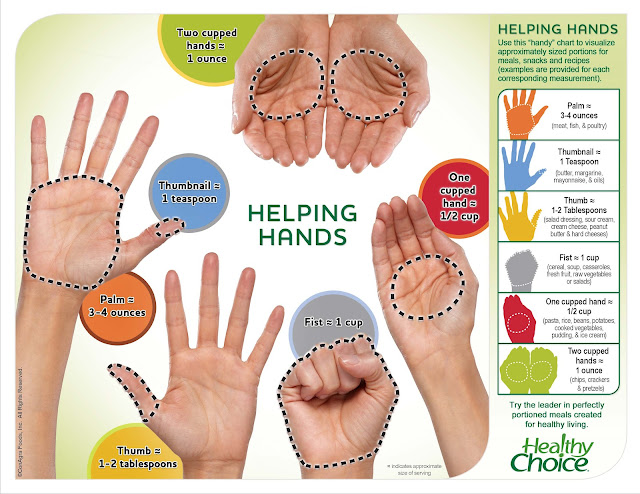
2. Measure Servings: Invest in measuring cups or a kitchen scale to accurately measure out appropriate serving sizes based on nutritional guidelines provided by health professionals.
3. Be Mindful While Eating: Slow down when you eat and pay attention to your body’s hunger and fullness cues. Eating more slowly allows your brain to register when you are satisfied, preventing overeating.
4. Fill Half Your Plate with Fruits and Vegetables: These nutrient-dense foods are low in calories but high in fiber, vitamins, and minerals. By filling half your plate with them, you naturally reduce the space available for larger portions of higher-calorie foods.
5. Pre-Portion Snacks: Instead of eating directly from a large bag or container, portion out snacks into smaller bags or containers beforehand. This helps prevent mindless snacking and ensures that you consume appropriate serving sizes.
6. Seek Professional Guidance: Consulting a registered dietitian can be immensely helpful for seniors who want personalized guidance on portion control tailored to their unique nutritional needs.
Conclusion:
Maintaining proper portion control is essential for seniors looking to adopt healthy eating habits that support overall well-being. By managing portion sizes, older adults can maintain a healthy weight range, regulate blood sugar levels, improve digestion, and receive adequate nutrition without excessive calorie intake. Incorporating simple tips like using smaller plates or measuring servings can make a significant difference in achieving these goals. Remember that it’s never too late to start practicing healthy habits – small changes today can lead to big improvements tomorrow!

Leave a Reply