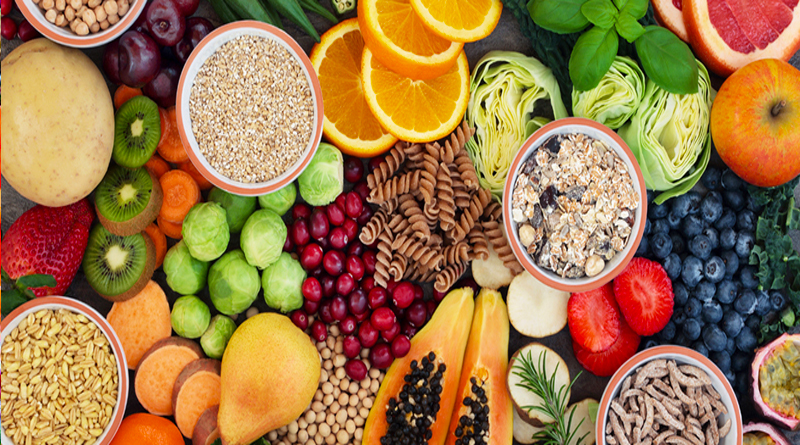
Understanding the Recommended Daily Intake of Dietary Fiber
When it comes to maintaining a healthy diet, one nutrient that often gets overlooked is dietary fiber. Most people are aware that fiber is important for digestive health, but many may not realize just how essential it is for overall well-being. In this article, we will explore what dietary fiber is, why it’s crucial for our bodies, and how much we should be consuming daily.
What is Dietary Fiber?
Dietary fiber refers to the indigestible parts of plant-based foods. Unlike other nutrients such as proteins or carbohydrates, our bodies cannot break down fiber into smaller molecules for absorption. Instead, it passes through our digestive system mostly intact.
Types of Dietary Fiber
There are two main types of dietary fiber: soluble and insoluble. Soluble fibers dissolve in water and form a gel-like substance in the intestines. This type has been shown to help lower cholesterol levels and regulate blood sugar levels. Insoluble fibers do not dissolve in water and add bulk to the stool, aiding regular bowel movements.
Why is Fiber Important?
Including an adequate amount of dietary fiber in our diets has numerous benefits for our health:
1. Promotes Digestive Health: Adequate intake of dietary fiber can prevent constipation by adding bulk to the stool and promoting regular bowel movements.
2. Weight Management: Foods high in fiber tend to be more filling while containing fewer calories than their low-fiber counterparts. This can aid weight management by reducing overall calorie intake.
3. Heart Health: Soluble fibers have been shown to reduce LDL (bad) cholesterol levels when consumed regularly as part of a balanced diet.
4. Blood Sugar Control: Soluble fibers slow down digestion and help control blood sugar levels by regulating glucose absorption.
5. Gut Health: Certain types of fibers act as prebiotics, providing nourishment for beneficial gut bacteria and promoting a healthy gut microbiome.
Recommended Daily Intake
The recommended daily intake of dietary fiber varies depending on age, gender, and overall health. Here are the general guidelines:
1. Adults: For men aged 50 or younger, the recommendation is around 38 grams per day. Women aged 50 or younger should aim for approximately 25 grams per day. As we age, our fiber needs decrease slightly to around 30 grams for men and 21 grams for women over the age of 50.
2. Children: The recommended daily intake varies depending on age but generally ranges between 19-31 grams.
Increasing Fiber Intake
If you’re not currently meeting the recommended daily intake of dietary fiber, fear not! There are simple ways to increase your fiber consumption:
1. Include Whole Grains: Choose whole grain bread, pasta, and cereals over refined grains.
2. Load Up on Fruits and Vegetables: Aim to include a variety of fruits and vegetables in your diet every day.
3. Legumes and Beans: Add lentils, chickpeas, black beans, or kidney beans to soups, stews, salads for an extra boost of fiber.
4. Nuts and Seeds: Snack on almonds, chia seeds, flaxseeds or add them to smoothies or yogurt.
5. Hydrate Well: Make sure you drink plenty of water throughout the day as fiber absorbs water in our digestive system.
In conclusion
Dietary fiber plays a crucial role in maintaining good overall health by promoting digestive health, aiding weight management efforts, supporting heart health and blood sugar control while nourishing our gut microbiome. By understanding the importance of dietary fiber and incorporating it into our daily diets through wholesome plant-based foods like whole grains, fruits & vegetables legumes & beans along with adequate hydration we can ensure that we meet the recommended daily intake requirement easily

Leave a Reply