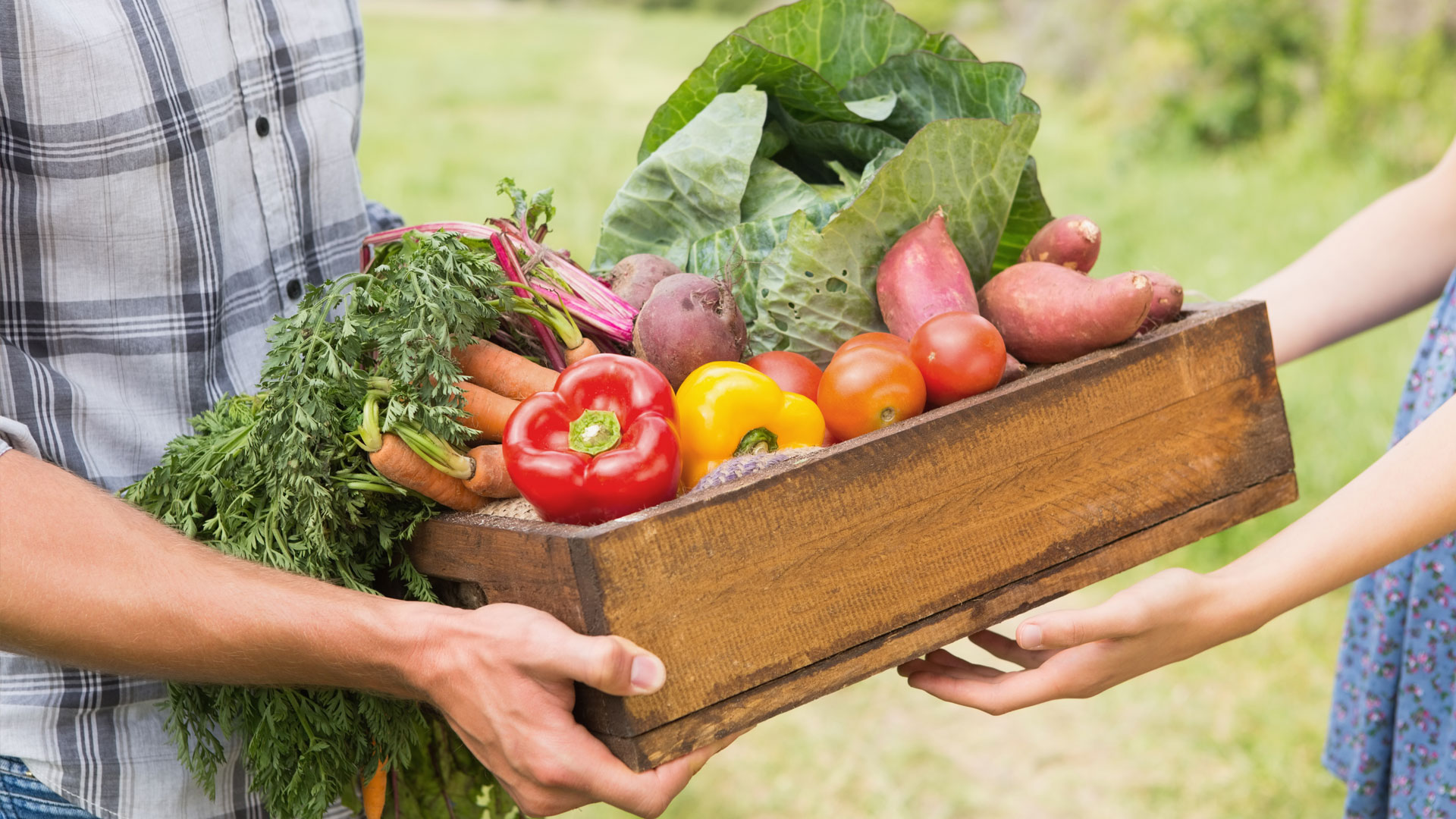
When it comes to healthy eating, incorporating fruits and vegetables into our diet is essential. While imported produce may seem appealing, opting for locally grown substitutes can be both cost-effective and sustainable. Not only does this support local farmers, but it also reduces the carbon footprint associated with transportation.
Here are 10 delicious alternatives to popular imported fruits and vegetables:
1. Instead of avocados, try substituting them with mashed peas or edamame. These green legumes provide a similar creamy texture and offer a good source of protein.
2. Swap out exotic berries like goji or acai with local options such as blueberries or raspberries that are packed with antioxidants.
3. Replace tropical fruits like mangoes and pineapples with peaches or apricots during their peak season for a sweet and juicy treat.
4. Instead of importing tomatoes, consider using roasted red peppers in your recipes for added depth of flavor.
5. Substitute imported kale with Swiss chard or spinach which are more readily available locally throughout the year.
6. Rather than relying on imported asparagus, opt for green beans or sugar snap peas which have a similar crispness when cooked.
7. Exchange imported garlic for shallots or leeks that add a mild onion-like taste to dishes without overpowering flavors.
8. Replace foreign mushrooms like shiitake or oyster varieties with locally cultivated white button mushrooms which are widely available at affordable prices.
9. Instead of relying on expensive imports like artichokes, experiment with Jerusalem artichokes (sunchokes) which have a nutty flavor and creamy texture when cooked.
10. Lastly, swap out imported yams or sweet potatoes with locally grown regular potatoes that offer comparable nutritional benefits.
By exploring these cost-effective alternatives to popular imported fruits and vegetables, we not only support our local communities but also enjoy fresh produce that is both nutritious and environmentally friendly!

Leave a Reply