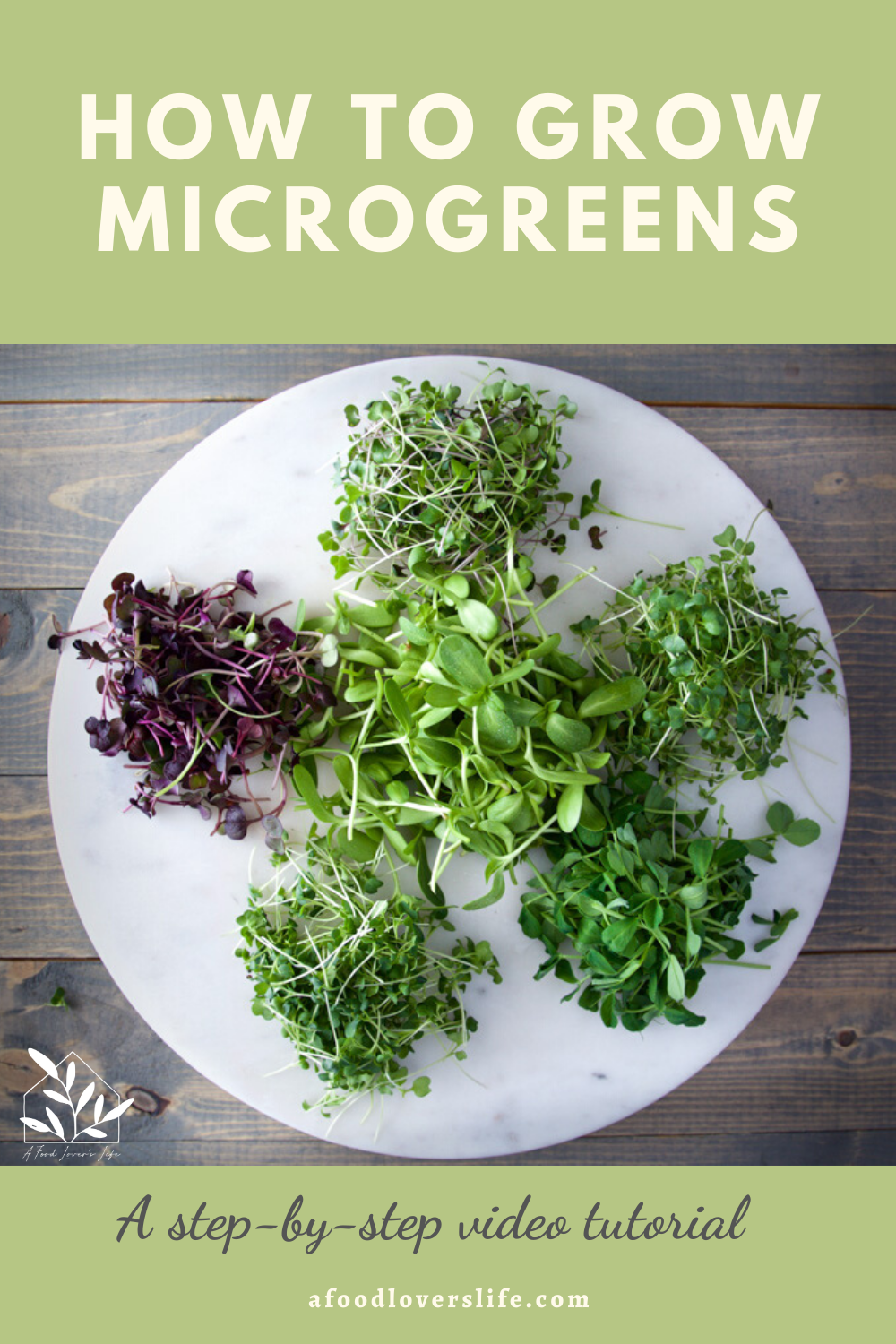
Microgreens have gained popularity in recent years for their unique flavors, nutritional benefits, and versatility in culinary applications. These tiny plants are harvested at an early stage of growth, typically within 7 to 14 days after germination. Despite their small size, microgreens pack a powerful punch when it comes to taste and nutrition. In this case study-style post, we will explore various aspects of microgreens, from their lesser-known varieties and growing methods to their health benefits and cultural significance.
1. Lesser-known microgreen varieties:
While many people are familiar with common microgreen varieties like broccoli, kale, and radish, there is a wide range of other lesser-known options available. Some examples include amaranth greens with a slightly sweet flavor reminiscent of spinach; shiso leaves that add a peppery bite to dishes; and sunflower shoots that provide a nutty taste. Exploring these lesser-known varieties can introduce new flavors and textures into your meals.
2. Microgreen nutrition profiles:
Microgreens are not only flavorful but also highly nutritious. They are rich in vitamins A, C, E, K, as well as minerals such as iron and calcium. Different types of microgreens offer varying nutritional profiles. For instance, red cabbage microgreens contain high levels of vitamin C while cilantro microgreens are packed with antioxidants.
3. Growing microgreens in small spaces:
One of the greatest advantages of microgreens is that they can be grown even if you have limited space available. You can easily grow them indoors on windowsills or using specialized hydroponic systems designed for compact spaces like apartments or urban dwellings.
4. Microgreens as a source of plant-based protein:
For those following a plant-based diet or looking to incorporate more protein-rich foods into their meals without relying on meat sources exclusively, certain types of microgreens serve as an excellent source of vegetable protein. Pea shoots and sunflower shoots are particularly notable in this regard.
5. The environmental benefits of growing microgreens at home:
Growing your own microgreens can have a positive impact on the environment. By reducing your reliance on store-bought produce that often requires long-distance transportation and excessive packaging, you contribute to lowering carbon emissions and minimizing waste.
6. Microgreen flavor combinations for unique dishes:
Microgreens offer endless opportunities to experiment with flavors and textures in cooking. Pairing spicy microgreens like arugula with creamy avocado or adding beet microgreens to a citrusy salad can create exciting taste combinations that elevate your dishes to new heights.
7. Microgreens and their potential health benefits:
Research suggests that consuming microgreens may have various health benefits due to their high nutrient content and antioxidant properties. These benefits include improved digestion, heart health support, reduced inflammation, and enhanced immune function.
8. Exploring the history of microgreens cultivation:
The practice of cultivating microgreens dates back thousands of years to ancient civilizations such as Egypt and Persia where they were used for both culinary and medicinal purposes. Understanding the historical context can deepen our appreciation for these tiny plants.
9. Microgreen recipes for picky eaters:
If you have picky eaters in your household, incorporating microgreens into familiar dishes might be an effective strategy to introduce them to new flavors gradually. Adding mild-flavored microgreens like basil or cilantro to pasta sauces or blending them into smoothies are simple ways to incorporate these nutritious greens without overwhelming sensitive palates.
10. Using microgreens to enhance the visual appeal of meals:
Microgreens not only add flavor but also enhance the visual appeal of meals with their vibrant colors and delicate shapes. Sprinkling a handful of colorful microgreens over salads, soups, or sandwiches instantly adds a touch of elegance while providing additional nutrition.
11. The role of microgreens in reducing food waste:
Microgreen cultivation offers an opportunity for individuals and businesses alike to reduce food waste. Since microgreens have a short growing cycle, they can be harvested and consumed before reaching their full growth potential. This means that even if you have excess produce, it is less likely to go to waste.
12. Tips for preserving and storing microgreens properly:
To maximize the shelf life of your freshly harvested microgreens, it’s important to store them correctly. After harvesting, gently rinse the greens with cold water, allow them to dry thoroughly, and then store them in an airtight container or zip-top bag lined with paper towels. Proper storage can help prolong their freshness.
13. Incorporating microgreens into smoothies and juices:
Adding a handful of microgreens to your smoothies or freshly pressed juices is an excellent way to boost their nutritional value without compromising taste. Microgreens like spinach or kale blend seamlessly into these beverages while providing an extra dose of vitamins and minerals.
14. Microgreen varieties with medicinal properties:
Certain microgreen varieties possess specific medicinal properties that have been recognized in traditional medicine practices around the world. For example, fenugreek microgreens are believed to aid digestion and alleviate inflammation while radish microgreens are known for their antibacterial properties.
15. The impact of different growing methods on microgreen quality:
The method used to grow microgreens can influence their flavor profile, texture, and overall quality. While soil-based cultivation is commonly practiced, hydroponic systems offer precise control over nutrient levels and water supply which can result in superior quality greens.
16. Microgreens as a sustainable alternative to traditional salad greens:
Microgreen production requires significantly less land area compared to growing fully matured salad greens like lettuce or spinach. By choosing microgreens over larger plants as part of your salads or sandwiches, you contribute towards sustainable agriculture practices.
17: How to introduce children to the world of microgreens:
Getting children involved in growing and eating microgreens can encourage healthy eating habits from an early age. Engage their curiosity by allowing them to plant and care for microgreens, and let them explore the different flavors and textures in creative ways.
18: The cultural significance of specific microgreen varieties:
Some microgreen varieties hold cultural or traditional significance in certain cuisines. For instance, daikon radish microgreens are commonly used in Japanese cuisine while mizuna microgreens are popular in Korean dishes. Exploring these connections can deepen your understanding of different culinary traditions.
19: DIY hydroponic systems for growing microgreens indoors:
Setting up a simple hydroponic system at home allows you to grow fresh, nutrient-rich microgreens year-round, regardless of weather conditions. From basic setups using mason jars to more advanced designs with pumps and timers, there are plenty of options available for DIY enthusiasts.
20: Lesser-known uses for matured microgreens:
While most people enjoy consuming microgreens at an early stage when they are tender and flavorful, matured versions can also be utilized in various ways. Dried and ground into powder form, matured greens can be added to spice blends or used as a natural food coloring agent.
In conclusion, exploring the world of microgreens offers a plethora of opportunities for culinary experimentation, nutritional benefits, sustainable practices, and cultural appreciation. Whether you choose to grow your own or seek out unique varieties at local markets or specialty stores, incorporating these tiny powerhouses into your meals is sure to elevate your dining experience both visually and nutritionally.

Leave a Reply