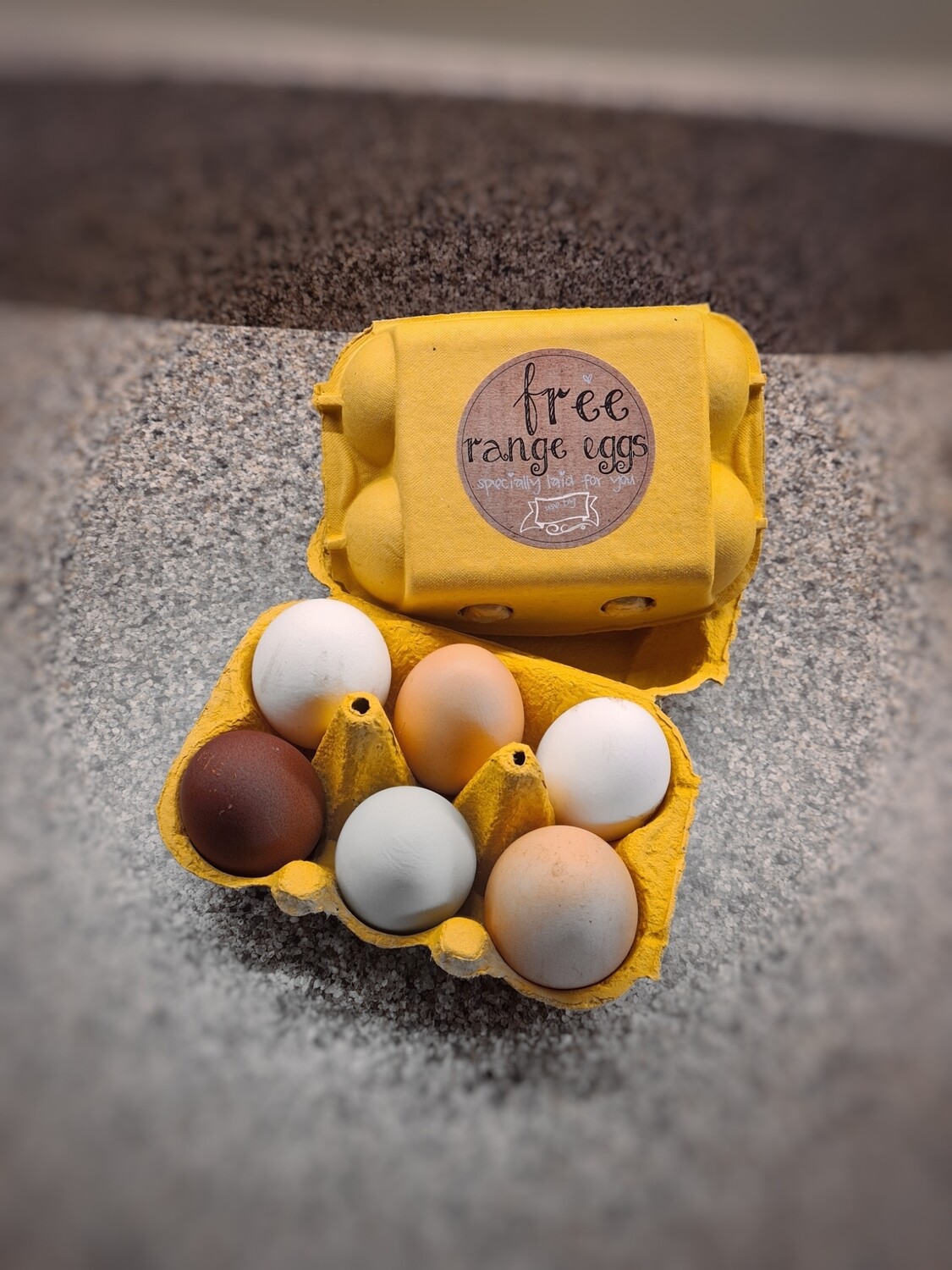
Marketing Expenses for Promoting and Advertising Free-Range Eggs
Introduction:
In recent years, there has been a growing emphasis on healthy eating and sustainability. As consumers become more conscious of the impact their food choices have on the environment and animal welfare, free-range eggs have gained popularity. Free-range eggs come from hens that are raised in open spaces rather than cages, giving them the freedom to roam and engage in natural behaviors. To promote and advertise these ethically produced eggs, marketing efforts play a crucial role. In this article, we will explore various marketing expenses associated with promoting and advertising free-range eggs.
1. Packaging Design:
Packaging design is an essential component of marketing free-range eggs effectively. It should reflect the values associated with ethical farming practices while also being visually appealing to consumers. The cost of hiring graphic designers or agencies to create attractive packaging can vary depending on complexity and expertise but is an important investment to make your product stand out.
2. Branding:
Developing a strong brand identity is vital for any successful marketing campaign. This includes creating a logo, tagline, website, social media presence, and other branding elements that convey the values behind free-range egg production. Costs associated with branding include hiring professionals for logo creation or website development as well as ongoing maintenance fees.
3. Social Media Marketing:
Social media platforms provide an excellent opportunity to reach a wide audience at relatively low costs compared to traditional advertising methods. Creating engaging content related to sustainable agriculture practices, sharing recipes using free-range eggs, or educating consumers about the benefits of choosing ethically produced eggs can help build brand awareness and foster customer loyalty.
While maintaining organic reach on social media platforms can be challenging due to algorithm changes favoring paid advertisements over regular posts by businesses, allocating some budget towards boosted posts or targeted ads can extend your reach even further.
4. Influencer Collaborations:
Collaborating with influencers who align with your brand’s values allows you to tap into their existing audience and gain credibility. Influencers can promote your free-range eggs through blog posts, social media content, or even recipe collaborations. The cost of influencer collaborations varies based on the popularity and reach of the influencer but can be an effective way to increase brand visibility.
5. Content Creation:
Creating high-quality content is crucial for engaging with consumers and building trust around your brand. This includes blog articles, videos, infographics, and other forms of informative content that highlight the benefits of free-range eggs. While some businesses may opt for in-house content creation, outsourcing to freelance writers or agencies may incur additional costs.
6. Event Sponsorship:
Sponsoring relevant events such as food festivals or health conferences provides an opportunity to showcase your free-range eggs directly to a target audience interested in healthy eating. Event sponsorship expenses include booth rentals, promotional materials, staff wages, and travel expenses if necessary.
7. Print Advertising:
Although traditional print advertising has declined in recent years due to digital advancements, it can still be effective when targeting specific demographics who prefer physical media channels like magazines or local newspapers. Costs associated with print advertising include design fees for creating visually appealing ads and placement fees charged by publications.
8. Public Relations:
Public relations efforts help create positive publicity for your brand by generating press coverage through press releases or media outreach campaigns that focus on ethical farming practices or sustainability initiatives related to free-range egg production. PR agencies or professionals may charge a fee for their services depending on the scope of work required.
9. Sampling Programs:
Sampling programs allow potential customers to try your product firsthand before making a purchasing decision. Offering samples at grocery stores, farmers’ markets, or community events helps raise awareness about your brand while allowing people to taste the quality difference between free-range eggs and conventional ones.
Conclusion:
Promoting and advertising free-range eggs requires strategic marketing efforts that align with consumer values surrounding sustainability and animal welfare. Investing in packaging design, branding, social media marketing, influencer collaborations, content creation, event sponsorship, print advertising, public relations initiatives, and sampling programs can significantly contribute to the success of your marketing campaign. By effectively communicating the benefits of free-range eggs to consumers through these channels, you can enhance brand visibility and attract a loyal customer base seeking ethically produced food options.

Leave a Reply