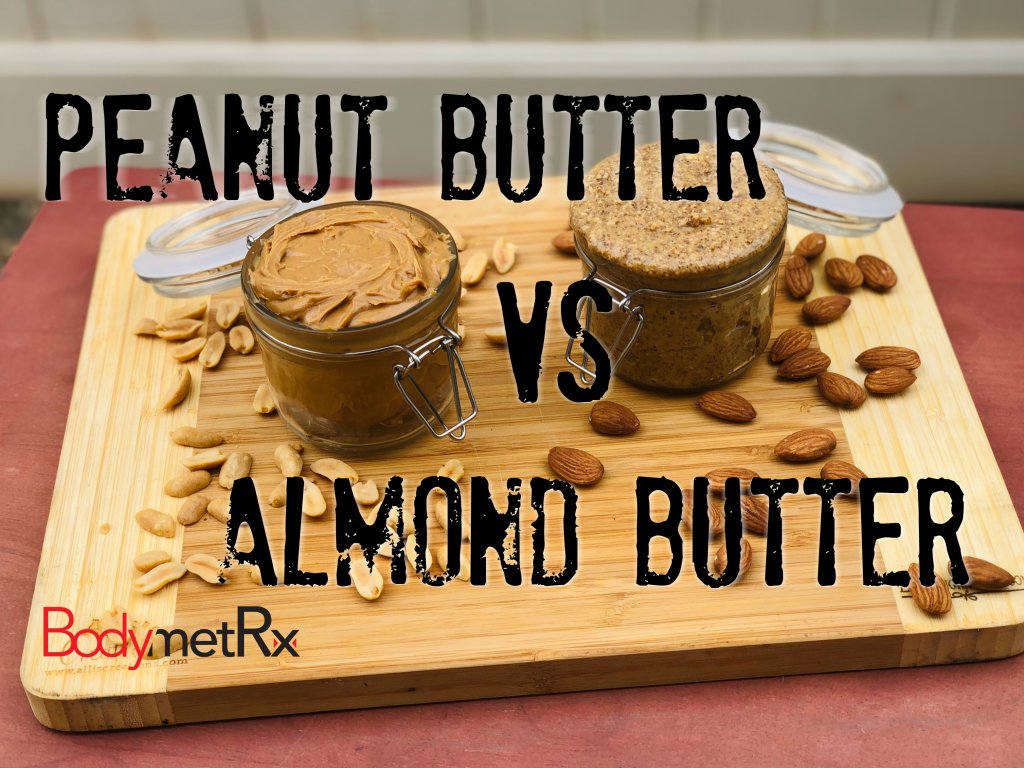
Almond Butter versus Peanut Butter: A Nutty Comparison
When it comes to nut butters, two popular choices that often find themselves in the spotlight are almond butter and peanut butter. Both these creamy spreads have their own unique flavors, textures, and nutritional profiles. If you’re wondering which one is better for your health or simply want to explore the differences between them, this article will provide you with an overview of almond butter versus peanut butter.
1. Taste and Texture:
One of the primary factors that influence our preference for a particular food is its taste and texture. Almond butter has a slightly sweeter taste compared to peanut butter due to almonds’ natural sweetness. It also tends to have a smoother consistency than peanut butter, making it easier to spread on bread or use as an ingredient in various recipes.
On the other hand, peanut butter has a more robust flavor with a hint of saltiness. Its texture can vary depending on whether it is made from crunchy or smooth peanuts. The crunchier variant contains small pieces of peanuts within the spread, adding an extra element of texture.
Ultimately, personal preference plays a significant role in deciding which taste and texture suits your palate best.
2. Nutritional Profile:
When comparing almond butter and peanut butter from a nutritional standpoint, they both offer several health benefits while having some differences worth noting.
Protein:
Both almond butter and peanut butter are excellent sources of plant-based protein suitable for vegetarians and vegans alike. However, when comparing equal serving sizes (usually around 2 tablespoons), almond butter generally contains slightly more protein than peanut butter.
Fat Content:
The type of fat found in nut butters is another crucial aspect to consider when assessing their nutritional value. Almond butter tends to have higher amounts of monounsaturated fats—a heart-healthy fat known for its positive impact on cholesterol levels—compared to peanut b

Leave a Reply