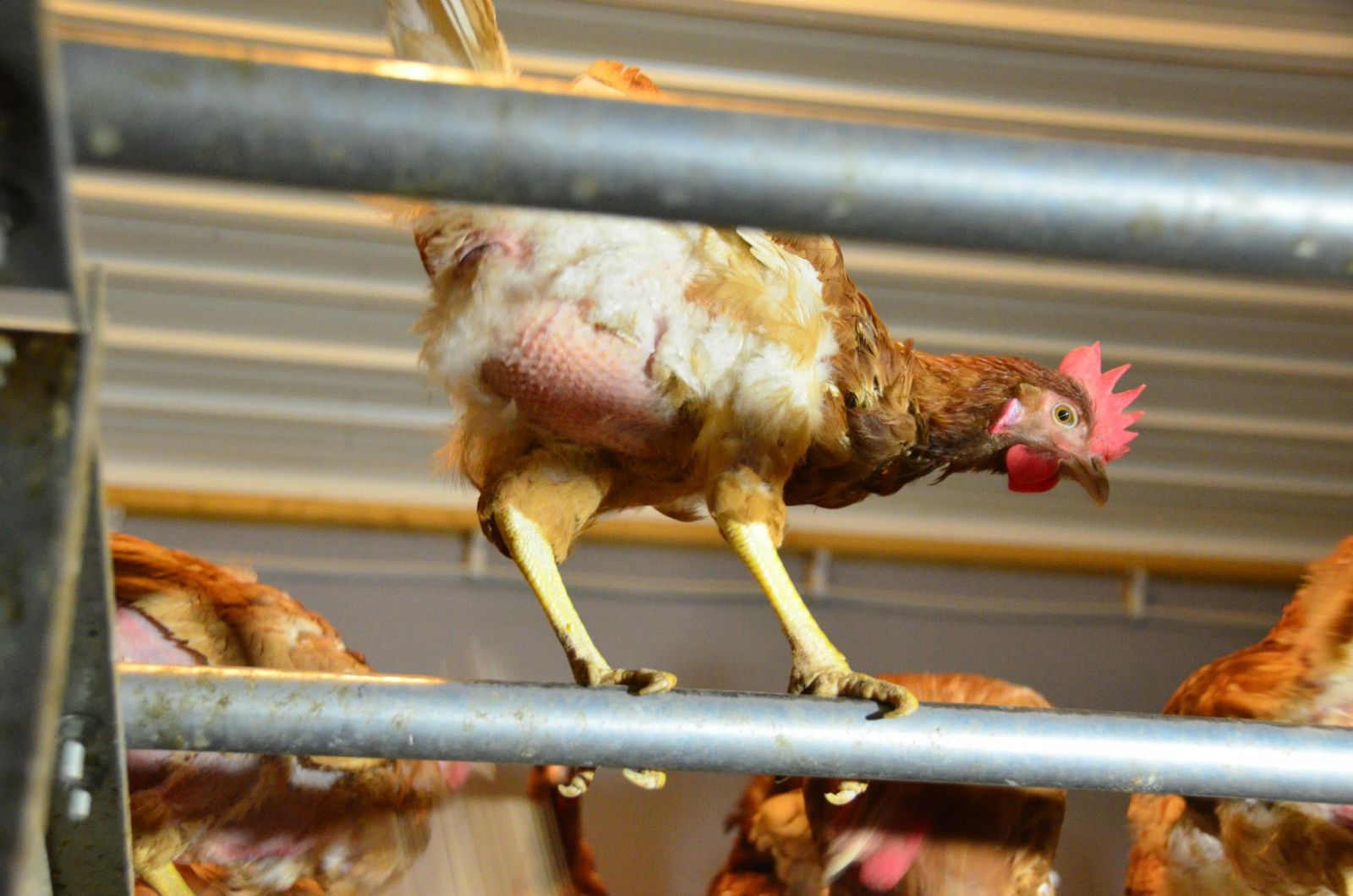
The Economic Impact of Animal Welfare Regulations on the Price and Availability of Free-Range Eggs
Introduction:
In recent years, there has been a growing concern among consumers about the welfare of animals in food production. This has led to increased demand for free-range eggs, which are produced by hens that have access to outdoor spaces and natural behaviors. As a result, governments around the world have implemented animal welfare regulations to protect the rights of these animals. While these regulations aim to improve conditions for farm animals, they also have economic implications for both producers and consumers. In this article, we will explore the economic impact of animal welfare regulations on the price and availability of free-range eggs.
The Demand for Free-Range Eggs:
Before delving into the economic impact, it is crucial to understand why there is such a high demand for free-range eggs in today’s market. Consumers are becoming increasingly aware of issues related to animal cruelty and environmental sustainability. They are seeking products that align with their ethical values while also ensuring better quality and taste.
Free-range egg production provides hens with more space, access to sunlight, and opportunities for natural behaviors like scratching or dust bathing. These factors contribute to healthier hens and higher-quality eggs compared to those produced under intensive farming systems.
However, meeting this demand comes at a cost – both financially and logistically – as farmers need to adhere to specific animal welfare regulations.
The Cost Factor:
One significant challenge faced by producers when transitioning from conventional egg production methods to free-range systems is an increase in costs. The implementation of animal welfare regulations often requires additional investments in infrastructure, including larger hen houses with outdoor access areas.
Additionally, farmers must allocate more resources towards feed management since hens roaming outdoors tend to consume more energy than those confined indoors. These factors collectively drive up production costs per unit of free-range eggs.
Furthermore, providing extra space increases stocking densities per square meter on farms since hens require sufficient outdoor areas to exhibit natural behaviors. This decreased efficiency can lead to lower egg production per unit area, further impacting costs.
The Price Impact:
Given the increased costs associated with free-range egg production, it is no surprise that these expenses are reflected in higher consumer prices. Free-range eggs typically command a premium price due to their perceived superior quality and ethical attributes.
However, the magnitude of this price increase varies across different regions and markets. In some cases, the price difference between free-range and conventional eggs may be minimal since economies of scale can offset some additional costs incurred by farmers.
Nonetheless, consumers generally accept paying a higher price for free-range eggs as they place value on animal welfare standards and environmental sustainability. The willingness to pay for products that align with ethical values has contributed significantly to the growth of this market segment.
Market availability:
While demand for free-range eggs has been steadily increasing, it is essential to consider if there is enough supply available to meet this growing demand. Implementing animal welfare regulations often requires existing producers to modify their farming practices or new entrants into the market.
For established farmers who already have conventional systems in place, transitioning to free-range egg production might involve significant investments in infrastructure modifications or even rebuilding entirely new facilities. This transition period could impact overall supply until sufficient capacity comes online.
Furthermore, acquiring suitable land for outdoor access areas can be challenging in certain regions where space is limited or costly. These factors contribute to potential constraints on supply availability during periods of high demand.
On the other hand, encouraging more farmers to adopt free-range systems through financial incentives or subsidies could help overcome such limitations by expanding overall production capacity. Governments play a crucial role in supporting these initiatives and ensuring an adequate supply chain exists for meeting consumer demands while maintaining affordability whenever possible.
Consumer Behavior:
Understanding consumer behavior is vital when discussing the economic impact of animal welfare regulations on free-range eggs’ price and availability. While some individuals prioritize purchasing products that align with ethical values, others may be more price-sensitive and opt for cheaper alternatives.
This dichotomy in consumer behavior leads to a segmented market where free-range eggs cater to a specific demographic willing to pay the premium. It is essential to strike a balance between meeting demand while ensuring affordability remains within reach for all consumers.
Conclusion:
The economic impact of animal welfare regulations on the price and availability of free-range eggs is multifaceted. Increased production costs due to infrastructure modifications, feed management, and reduced efficiency impact prices, resulting in higher retail prices compared to conventional eggs.
However, there is also an increasing demand from consumers who prioritize animal welfare standards and environmental sustainability. This growing market segment creates opportunities for farmers willing to invest in free-range systems despite the associated challenges.
To ensure an adequate supply chain exists, governments must support farmers through incentives or subsidies while educating consumers about the importance of ethically produced food products. As both producers and consumers work together towards achieving better animal welfare standards, we can create a sustainable future where high-quality free-range eggs are available at affordable prices.

Leave a Reply