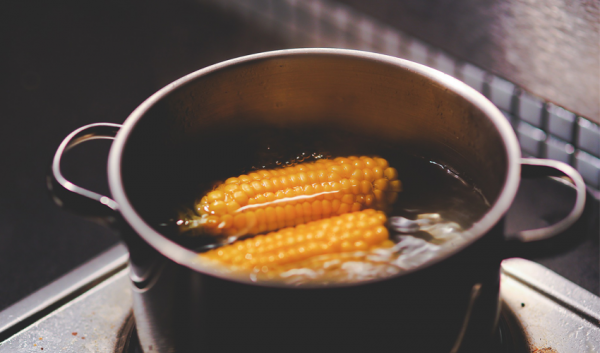
Boiling is one of the most common cooking methods used worldwide. It involves heating a liquid until it reaches its boiling point, causing it to turn into vapor and creating bubbles in the process. Boiling is not only a quick and easy way to cook food but also a healthy method that helps retain nutrients.
In this article, we will explore the ins and outs of boiling, including its benefits, techniques, and tips for maximizing flavor while minimizing nutrient loss.
Benefits of Boiling:
1. Nutrient Retention: Boiling is an excellent cooking method for preserving essential vitamins and minerals in foods like vegetables. While some nutrients may leach into the cooking water, others remain locked inside the food, making boiled dishes nutritious choices.
2. Easy Digestion: Boiled foods are generally easier to digest compared to fried or grilled dishes since they are cooked at lower temperatures. This makes them ideal for individuals with sensitive stomachs or digestive issues.
3. Versatility: Almost any type of food can be boiled – from vegetables and grains to meat, eggs, and pasta. This versatility makes boiling an accessible cooking technique suitable for various dietary preferences.
Boiling Techniques:
1. Bring Water to a Boil: Start by filling a pot with enough water to cover your ingredients adequately. Place it over high heat until it reaches a rolling boil – when bubbles continuously break on the surface.
2. Seasoning: Add salt or other seasonings directly into the water before introducing your ingredients; this enhances their natural flavors during cooking.
3. Timing: Different foods require different boiling times based on their texture and size. Delicate vegetables like spinach may only need a minute or two while root vegetables like potatoes might take up to 20 minutes or more.
4. Simmering vs Rapid Boil: Once you achieve a boil, you can choose between simmering (gentle bubbling) or maintaining a rapid boil (vigorous bubbling). Simmering is ideal for delicate foods, while a rapid boil is better for tougher ingredients.
Tips for Flavor and Nutrition:
1. Use Flavorful Liquids: Instead of plain water, consider using broth, stock, or infusing the water with herbs and spices to add aroma and taste to your dishes.
2. Save Cooking Water: When boiling vegetables, save the nutrient-rich cooking water to use as a base for soups or sauces. This way, you can retain some of the nutrients that may have leached out during cooking.
3. Don’t Overcook: To preserve nutrients and maintain flavors, avoid overcooking ingredients. Cook until they are just tender but still have a slight crunch or bite.
4. Steaming Method: For certain vegetables like broccoli or cauliflower florets, consider steaming them instead of boiling to minimize nutrient loss even further.
5. Reuse Boiling Liquid: After boiling meats or poultry, save the flavorful liquid to make stocks or broths for future recipes; this reduces waste and adds depth of flavor to other dishes.
In conclusion, boiling is an easy and healthy cooking method that helps retain nutrients in food while making it easier to digest. By following these tips and techniques, you can enhance the flavor profile of boiled dishes while maximizing their nutritional value. So next time you’re in the kitchen, don’t overlook this simple yet effective cooking technique!

Leave a Reply