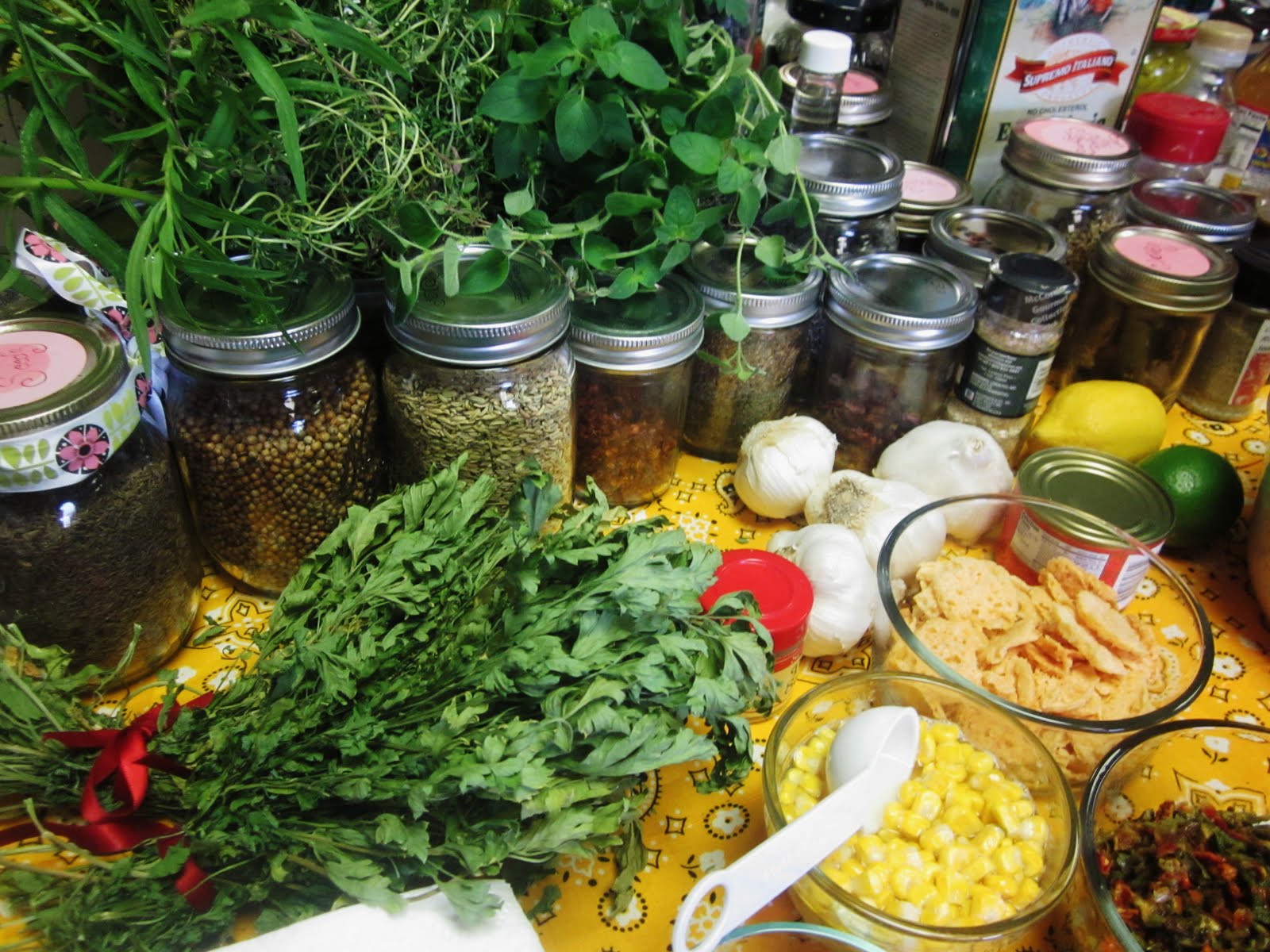
When it comes to adding flavor and depth to your meals, there’s nothing quite like the taste of homegrown herbs and spices. Not only do they enhance the flavors in dishes, but they also offer a range of health benefits. Growing your own herbs and spices can be a rewarding and cost-effective way to elevate your culinary creations while ensuring that you’re using fresh, organic ingredients.
1. Basil: This fragrant herb is incredibly versatile and easy to grow at home. With its sweet yet savory notes, basil adds a refreshing touch to salads, pasta sauces, soups, and more. It’s also packed with antioxidants that help fight inflammation and promote heart health.
2. Rosemary: Known for its distinct pine-like aroma, rosemary is a must-have herb in any kitchen garden. Its robust flavor pairs well with roasted meats, potatoes, breads, and even cocktails! The active compounds in rosemary have been linked to improved digestion and enhanced memory function.
3. Mint: Whether it’s spearmint or peppermint, growing mint at home allows you to enjoy its invigorating fragrance all year round. Mint leaves add zest to both sweet desserts like ice cream or fruit salads as well as savory dishes like lamb or summer rolls. Additionally, mint has soothing properties that aid digestion.
4. Thyme: This aromatic herb features prominently in Mediterranean cuisine due to its earthy taste with hints of lemon and piney undertones. Thyme works wonders when added to marinades for poultry or seafood dishes as well as roasted vegetables or hearty stews. Rich in vitamins C and A along with several antioxidants, thyme supports immune function.
5. Oregano: Delightfully pungent with slightly bitter undertones—oregano is a staple ingredient in Italian cooking but can lend itself beautifully to various cuisines too! Sprinkle it over pizzas or pasta sauces for an authentic flavor boost or use it to infuse oils and vinegars. Oregano is also rich in antioxidants that contribute to overall health.
6. Dill: Known for its delicate flavor and feathery leaves, dill adds a refreshing taste to salads, dressings, pickles, and seafood dishes. It pairs particularly well with salmon or cucumber-based recipes. Moreover, dill contains compounds that may help reduce blood sugar levels and aid digestion.
7. Cilantro: Loved by some and disliked by others due to its distinct taste—cilantro adds a vibrant freshness to many dishes like salsas, curries, or stir-fries. It’s even used as a garnish for soups or salads. Cilantro has been associated with numerous health benefits including reducing inflammation and promoting healthy digestion.
8. Turmeric: While technically not an herb but rather a spice derived from the rhizomes of a plant related to ginger—turmeric deserves mention for its incredible health properties! Its warm flavor lends itself perfectly to curries, rice dishes, smoothies, or golden milk lattes. Turmeric contains curcumin—a compound known for its potent anti-inflammatory effects.
Growing your own herbs and spices can be done indoors on windowsills or balconies if you have limited outdoor space. They require minimal maintenance such as regular watering and occasional pruning to encourage growth. By having these fresh ingredients at your fingertips year-round, you can elevate the flavors of your meals while reaping the nutritional benefits they offer.
In conclusion, cultivating homegrown herbs and spices not only enhances the taste of your culinary creations but also provides various health advantages thanks to their natural compounds. So why not embark on this rewarding journey of growing your own flavorful garden? You’ll add vibrancy to your cooking while enjoying the satisfaction of using freshly harvested ingredients straight from nature’s bounty!

Leave a Reply