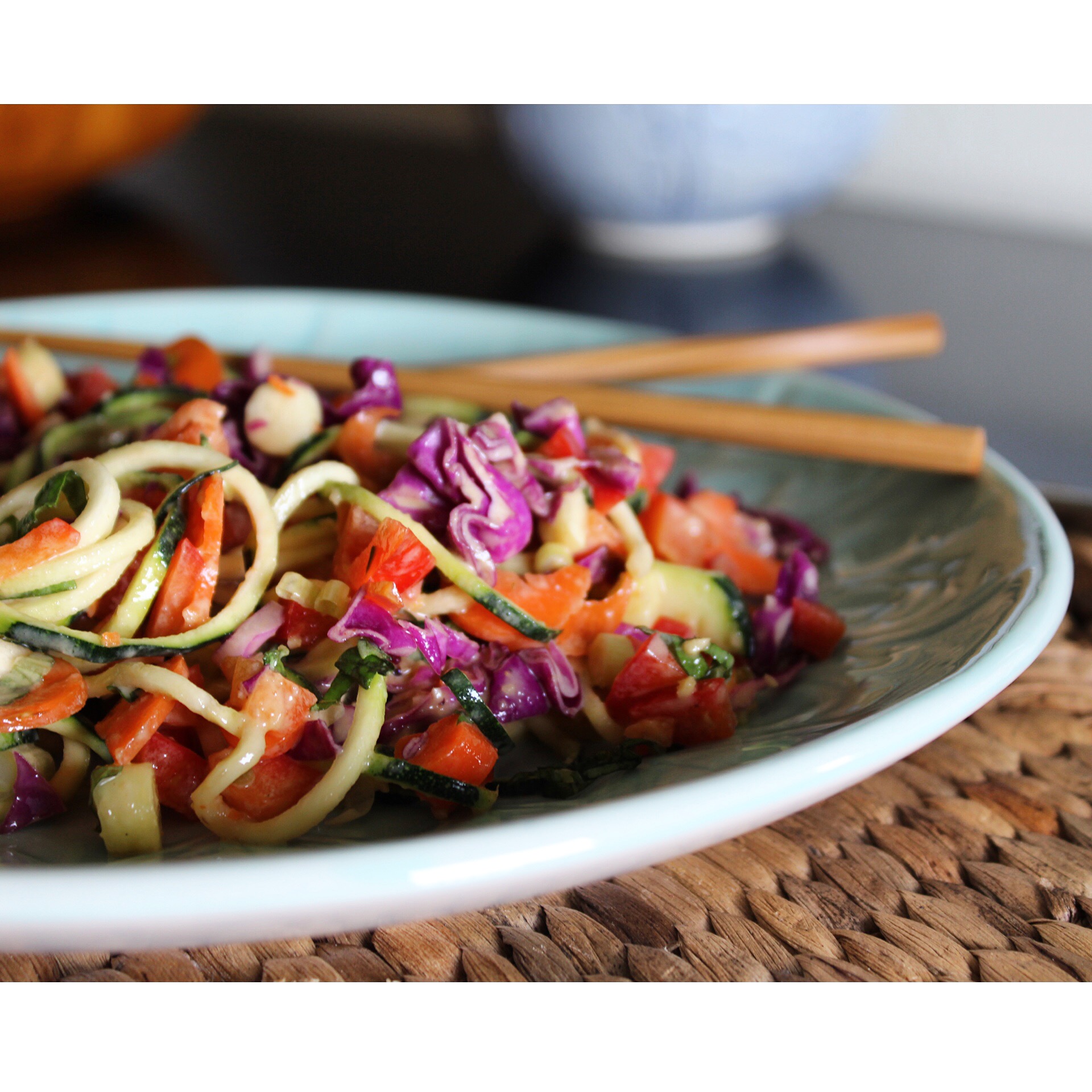
Vegan Cooking Techniques: Elevating Plant-based Cuisine
As the popularity of veganism continues to soar, so does the demand for delicious and innovative plant-based recipes. Whether you’re a seasoned vegan or just looking to incorporate more plant-based meals into your diet, mastering a few key cooking techniques can elevate your culinary creations and make them truly unforgettable. In this post, we’ll explore some essential vegan cooking techniques that will take your plant-based dishes to the next level.
1. Roasting: Roasting vegetables is an excellent way to enhance their natural flavors and create depth in your dishes. Tossing vegetables like cauliflower, Brussels sprouts, or sweet potatoes with olive oil, salt, and spices before roasting at high heat brings out their natural sweetness while adding a delightful crispiness.
2. Sautéing: Sautéing is perfect for quick-cooking vegetables like bell peppers, mushrooms, or zucchini. Use a small amount of oil or vegetable broth in a hot pan and cook the ingredients until they are tender but still retain their vibrant colors and textures.
3. Grilling: Grilled veggies offer a smoky flavor that adds character to any dish. Invest in a good quality grill pan or outdoor grill to achieve those beautiful char marks on vegetables like eggplant slices or portobello mushrooms.
4. Steaming: Steaming is an ideal method for retaining nutrients while keeping veggies tender-crisp. Place your favorite greens such as broccoli florets or kale leaves in a steamer basket over boiling water until they become bright green and slightly softened.
5. Baking: Baking isn’t just for desserts! It’s also an excellent technique for creating hearty main courses such as stuffed bell peppers or baked tofu dishes packed with flavorful marinades.
6. Blending: This technique allows you to transform ordinary ingredients into creamy soups, sauces, dips, and dressings without using dairy products. Blending cashews, nutritional yeast, and plant-based milk creates a luscious cheese-like sauce that can be used in macaroni and cheese or as a dip for veggies.
7. Fermenting: Fermentation adds complexity to vegan dishes by introducing tangy flavors. Experiment with fermenting techniques like making your own sauerkraut or pickling vegetables such as carrots or cucumbers to create unique taste profiles.
Remember, the key to mastering these vegan cooking techniques is practice and experimentation. Don’t be afraid to get creative with herbs, spices, and different combinations of ingredients. By embracing these methods, you’ll unlock a world of possibilities in vegan cuisine that will not only nourish your body but also impress even the most fervent meat-eaters at your table. Happy cooking!

Leave a Reply