Indigenous Foods and Traditions: Exploring the Richness of Native Cuisine
When it comes to healthy eating, exploring the traditional foods and culinary traditions of Indigenous communities offers a unique opportunity to connect with nature and nourish both body and soul. Indigenous cuisine is deeply rooted in sustainable practices, local resources, and centuries-old knowledge passed down through generations.
One key aspect of Indigenous food culture is their emphasis on seasonal eating. By aligning their diets with the natural rhythms of Mother Earth, Indigenous peoples have developed a profound understanding of how certain foods thrive during specific times of the year. This approach not only ensures optimal nutrition but also promotes environmental sustainability by reducing reliance on imported or heavily processed foods.
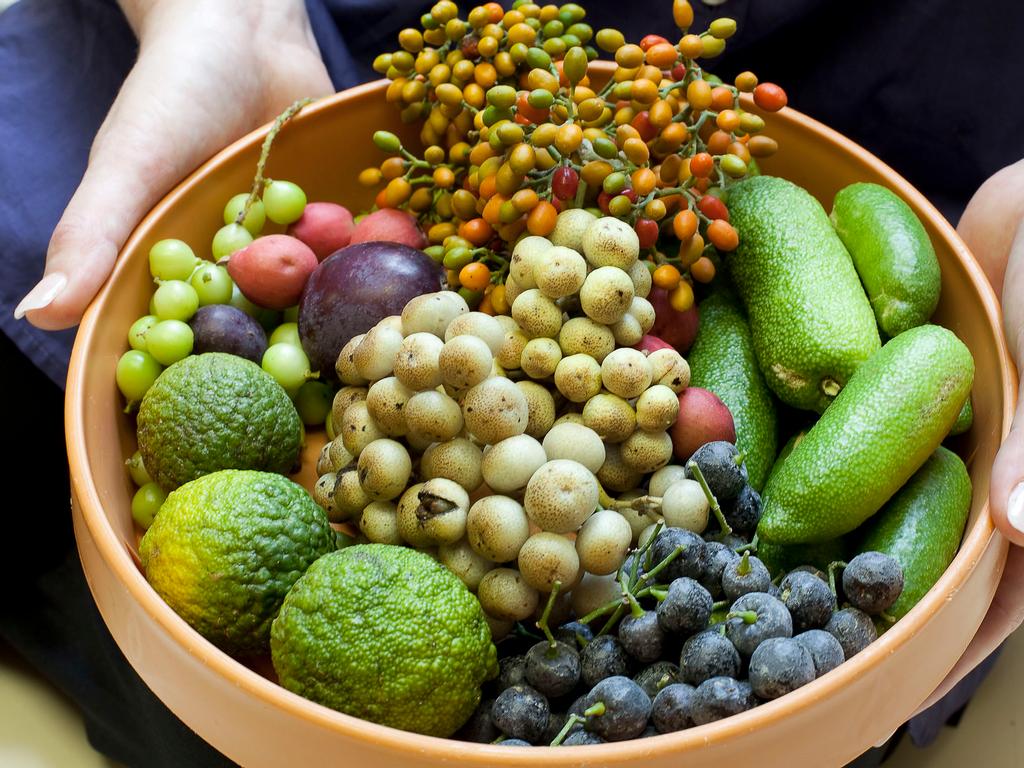
Incorporating a diverse range of plant-based ingredients is another hallmark of Indigenous cooking. Traditional staples like corn, beans, squash, wild rice, berries, herbs, and game meat form the foundation for many indigenous dishes. These nutrient-dense ingredients are often combined harmoniously to create flavorful meals that are both satisfying and health-promoting.
Furthermore, gathering practices play a significant role in Indigenous food traditions. Foraging for wild edibles such as mushrooms or medicinal plants fosters a deep connection with nature while providing an abundance of phytonutrients not found in cultivated crops. Sustainable hunting techniques also ensure that animal populations remain balanced while contributing to the diversity of indigenous diets.
The preparation methods used by Indigenous communities further enhance nutritional value. Many traditional cooking techniques involve slow simmering or steaming which helps retain vital nutrients that may be lost through other high-heat cooking methods like frying or boiling.
Moreover, beyond just sustenance alone, traditional Indigenous meals often hold cultural significance as well. They are shared during ceremonies or special gatherings as a way to honor ancestors and strengthen community bonds through sharing stories and passing down ancestral wisdom from one generation to another.
As we explore healthy eating options today, we must acknowledge the invaluable contributions made by Indigenous cultures in preserving and promoting sustainable food practices. By incorporating Indigenous foods and traditions into our diets, we not only nourish our bodies but also pay homage to the wisdom of those who have lived in harmony with the land for centuries. Let us embrace this rich culinary heritage and foster a deeper understanding of Indigenous cultures as we savor the flavors and benefits that their traditional foods offer.

Leave a Reply