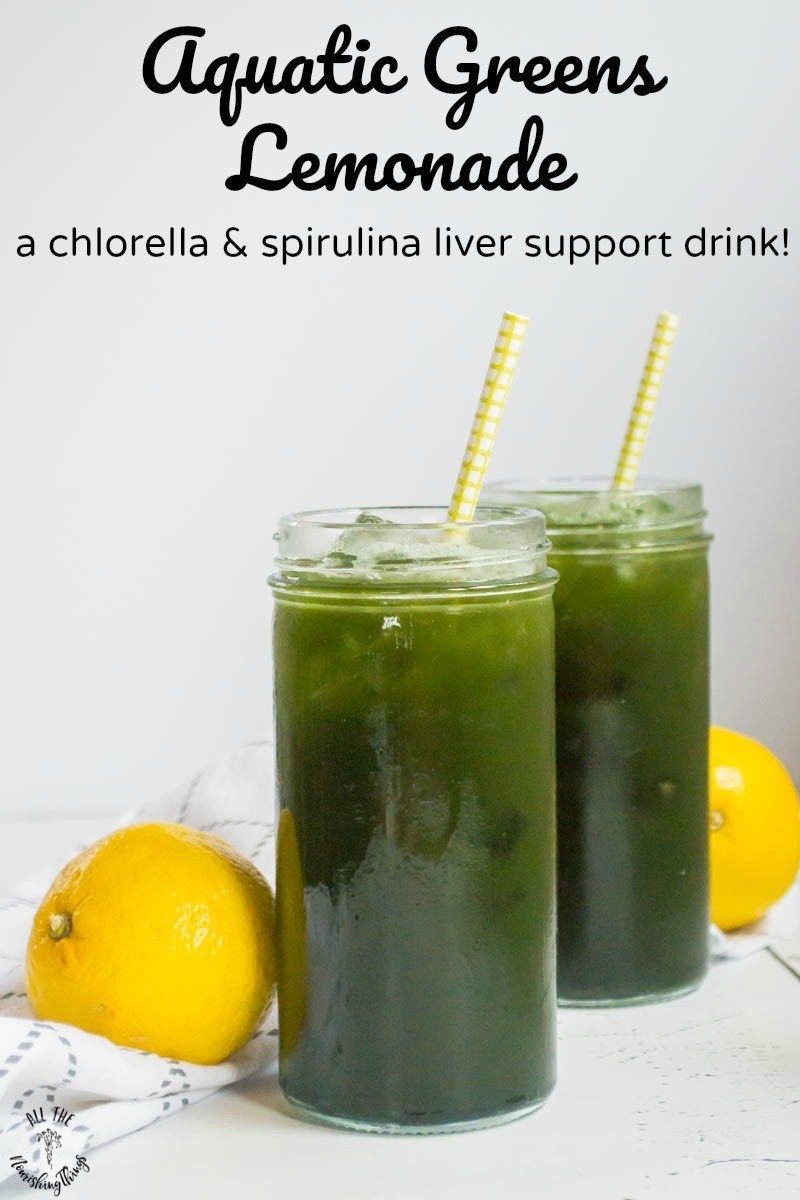
The role of Spirulina in detoxification and liver health
In recent years, there has been a growing interest in natural ways to support detoxification and promote liver health. One such superfood that has gained considerable attention is spirulina. Known for its rich nutrient profile, spirulina offers numerous potential benefits for the body, including supporting the detoxification process and promoting liver health.
What is Spirulina?
Spirulina is a type of blue-green algae that grows naturally in freshwater lakes, ponds, and rivers. It has been consumed for centuries by various cultures around the world due to its high nutritional content. Spirulina contains an array of essential nutrients such as vitamins, minerals, antioxidants, proteins, and fatty acids.
Detoxification: A Brief Overview
Before delving into how spirulina aids in detoxification and liver health specifically, it’s important to understand what these processes entail.
Toxins are substances that can harm our bodies when they accumulate above certain levels. They can come from external sources like pollutants in the environment or internal sources such as metabolic waste products.
Detoxification refers to the body’s natural process of eliminating toxins through various organs like the liver, kidneys, lungs, skin, and digestive system. The liver plays a crucial role in this process by breaking down toxins so they can be eliminated from the body efficiently.
Liver Health: Why It Matters
The liver is one of the most vital organs in our bodies. It performs several crucial functions such as metabolizing nutrients from food into energy, synthesizing proteins necessary for blood clotting and immune function regulation, processing drugs and alcohol by breaking them down into harmless substances or facilitating their elimination from the body.
When our livers are not functioning optimally due to excessive toxin exposure or other factors like poor diet or alcohol abuse – it can lead to various health issues ranging from fatigue and digestive problems to more severe conditions like fatty liver disease or cirrhosis.
How Spirulina Supports Detoxification
Spirulina contains a unique combination of nutrients that can support the body’s detoxification processes. Let’s explore some of these beneficial properties:
1. Antioxidant Activity: Spirulina is rich in antioxidants, such as phycocyanin and beta-carotene, which help neutralize harmful free radicals in the body. Free radicals are unstable molecules that can damage cells and contribute to various diseases. By reducing oxidative stress, spirulina supports overall detoxification.
2. Chlorophyll Content: Spirulina owes its vibrant green color to chlorophyll, a pigment with powerful cleansing properties. Chlorophyll helps to eliminate toxins from the bloodstream and promotes healthy liver function.
3. Protein-Rich Profile: The protein content of spirulina is impressive, making up about 60-70% of its dry weight. Proteins are essential for the production of enzymes involved in detoxification pathways within the liver.
4. Essential Nutrients: Spirulina contains an array of vitamins (such as vitamin B complex) and minerals (including iron, magnesium, potassium) necessary for optimal liver function and detoxification processes.
Research on Spirulina’s Effectiveness
Several studies have explored spirulina’s potential benefits for detoxification and liver health:
1. A study published in the Journal of Medicinal Food found that spirulina supplementation led to significant reductions in markers associated with liver damage in rats exposed to toxic chemicals.
2. Another study published in BioMed Research International demonstrated that spirulina extract reduced liver toxicity induced by heavy metals like lead and cadmium in mice.
While these findings are promising, it’s important to note that more research is needed to fully understand how spirulina affects human detoxification processes specifically.
Incorporating Spirulina into Your Diet
If you’re interested in adding spirulina to your diet to support detoxification and liver health, here are a few tips:
1. Choose quality products: Look for certified organic spirulina that has undergone rigorous testing for contaminants.
2. Start slow: Begin with a small dose of spirulina (e.g., 1-2 grams per day) and gradually increase it while monitoring how your body responds.
3. Consider powdered form: Spirulina is available in tablet or powdered form. The powder can be easily added to smoothies, juices, or sprinkled over salads and other dishes.
4. Combine with other detoxifying foods: Enhance the benefits of spirulina by incorporating it into meals rich in other detoxifying foods like leafy greens, cruciferous vegetables, garlic, turmeric, and ginger.
5. Consult a healthcare professional: If you have any underlying health conditions or concerns about integrating spirulina into your diet, it’s always best to consult with a healthcare professional before making any significant dietary changes.
Conclusion
Spirulina offers an impressive nutritional profile that can potentially support detoxification and promote liver health. Its antioxidant properties, chlorophyll content, protein-rich profile, and essential nutrients make it an excellent addition to a healthy eating plan aimed at supporting overall well-being.
While research on the specific effects of spirulina on human detoxification processes is still ongoing, its long history of use as a food source suggests its potential benefits in this area. As with any dietary change or supplementation regimen, individual responses may vary; therefore consulting with a healthcare professional is advised when considering adding spirulina or any new supplement to one’s diet.

Leave a Reply