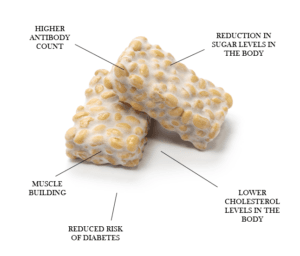
Tempeh and Cholesterol Levels: Exploring the Connection
In recent years, there has been a growing interest in plant-based diets and their potential health benefits. One popular food item that often finds its way onto the plates of those following such diets is tempeh. Tempeh, a traditional Indonesian soy product, has gained popularity due to its high protein content and versatility in cooking. But what impact does it have on cholesterol levels? In this article, we delve deep into the topic to understand how tempeh can influence cholesterol levels and contribute to heart health.
Understanding Cholesterol
Before we dive into the specifics of tempeh’s effects on cholesterol, let’s first understand what cholesterol is and why it matters for our health. Cholesterol is a waxy substance found in every cell of our bodies. While it plays an essential role in various bodily functions like hormone production and digestion, excess cholesterol can lead to serious health issues.
There are two types of cholesterol: low-density lipoprotein (LDL) or “bad” cholesterol and high-density lipoprotein (HDL) or “good” cholesterol. LDL carries cholesterol from your liver throughout your body, while HDL carries it back to your liver for removal from the body. High levels of LDL can lead to plaque buildup in arteries, increasing the risk of heart disease.
The Link Between Diet and Cholesterol
Diet plays a crucial role in managing our blood lipid profile. Some foods contain high amounts of saturated fats and trans fats that raise LDL levels, while others provide beneficial nutrients that lower LDL levels or increase HDL levels.
Studies have shown that consuming excessive saturated fat from animal-based sources like meat and dairy products may raise blood LDL levels. On the other hand, substituting these foods with plant-based alternatives rich in fiber, unsaturated fats, and phytochemicals may help reduce LDL levels.
Introducing Tempeh: A Nutritional Powerhouse
Tempeh, a fermented soybean product, has been consumed for centuries in Indonesia and is gaining popularity worldwide due to its rich nutritional profile. Made by fermenting soybeans with the help of a specific mold called Rhizopus oligosporus, tempeh offers various health benefits.
One significant advantage of tempeh is its impressive protein content. It provides all nine essential amino acids required by the body and can be an excellent source of plant-based protein for vegetarians and vegans. Additionally, tempeh contains high amounts of fiber, vitamins (especially B vitamins), minerals like iron and calcium, and beneficial phytochemicals.
The Impact of Tempeh on Cholesterol Levels
Numerous studies have explored the effects of consuming soy-based products on cholesterol levels. While results may vary slightly between individuals, overall findings suggest that including tempeh as part of a balanced diet may positively impact cholesterol levels.
The presence of soy isoflavones in tempeh plays a vital role in influencing blood lipid profiles. Isoflavones are natural compounds found abundantly in soybeans that possess antioxidant properties and mimic estrogen’s action within the body. They have been shown to reduce LDL levels while increasing HDL levels.
A 2013 study published in The Journal of Nutrition demonstrated that consuming 40 grams per day of isolated soy protein, equivalent to approximately two servings of tempeh, reduced LDL cholesterol significantly compared to casein (a milk protein) intake. Another study published in The American Journal of Clinical Nutrition concluded that substituting animal proteins with soy proteins led to reductions in total cholesterol levels.
It’s important to note that while research shows promising results regarding the positive impact on cholesterol levels from consuming tempeh or other soy products regularly, individual responses may vary. Factors such as overall dietary patterns, genetics, lifestyle choices like exercise habits or smoking status also influence how our bodies respond to dietary changes.
Incorporating Tempeh into Your Diet
If you’re interested in incorporating tempeh into your diet, there are numerous delicious ways to enjoy this versatile ingredient. Tempeh can be marinated and grilled, crumbled and added to stir-fries or salads, or even used as a meat substitute in burgers or tacos.
When buying tempeh, opt for organic options whenever possible. Look for varieties made with whole soybeans rather than processed soy products. Always check the label and choose brands that use non-GMO soybeans.
However, it’s essential to remember that adding tempeh alone won’t magically solve cholesterol issues. A healthy lifestyle encompasses various factors like regular exercise, maintaining a healthy weight, avoiding smoking, and consuming a balanced diet rich in fruits, vegetables, whole grains, and other plant-based proteins.
Conclusion
Tempeh is an excellent addition to a heart-healthy diet due to its nutritional profile and potential positive effects on cholesterol levels. Regular consumption of tempeh as part of a balanced eating plan may help individuals maintain healthy blood lipid profiles. However, it’s important to consult with healthcare professionals before making significant dietary changes if you have existing health conditions or concerns about your cholesterol levels.
Remember that adopting a holistic approach to health is crucial – combining regular physical activity, stress management techniques like meditation or yoga – along with consuming nutritious foods like tempeh can lead us down the path toward optimal well-being. So why not give tempeh a try? It might just become one of your new favorite culinary staples!

Leave a Reply