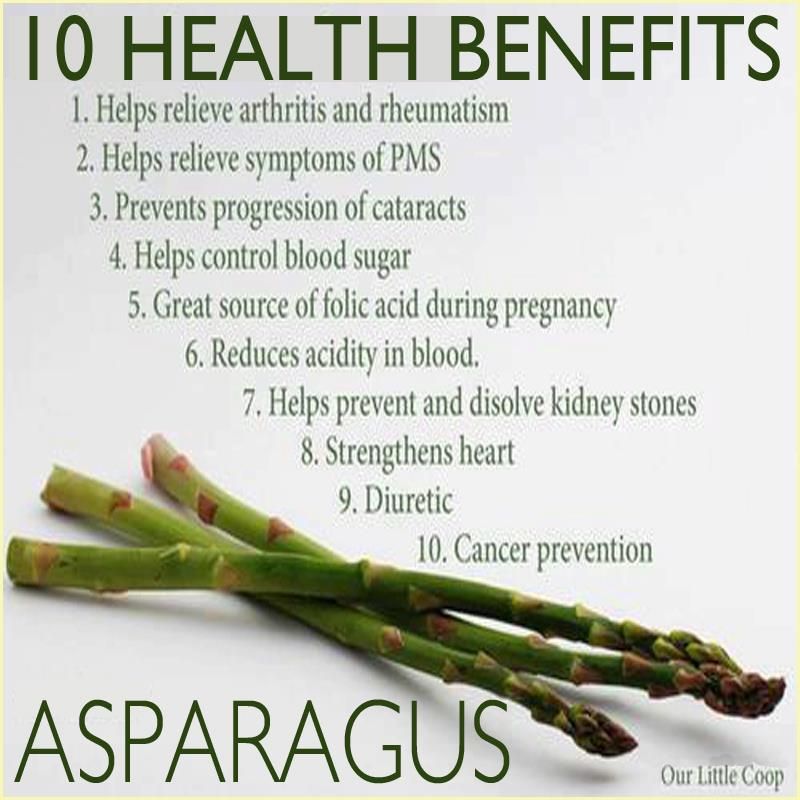
Asparagus is a versatile vegetable that not only adds vibrant green color to your plate but also provides numerous health benefits. This nutrient-rich vegetable has been consumed for centuries and is known for its distinct flavor and texture. Whether you enjoy it grilled, roasted, steamed, or even raw in salads, asparagus can be a delicious addition to any meal. In this article, we will explore the nutritional value of asparagus and why it deserves a place on your healthy eating menu.
One of the standout qualities of asparagus is its low calorie content. With only 20 calories per serving (about five spears), it makes an excellent choice for those looking to manage their weight or maintain a calorie-controlled diet. Additionally, asparagus contains virtually no fat or cholesterol while being packed with essential nutrients.
Asparagus is an excellent source of dietary fiber. Fiber plays a crucial role in maintaining digestive health by promoting regular bowel movements and preventing constipation. It also helps control blood sugar levels and lowers the risk of heart disease by reducing bad cholesterol levels.
Furthermore, asparagus is rich in vitamins and minerals that are vital for overall health. It contains high amounts of vitamin K, which plays a significant role in blood clotting and bone health. Vitamin K also supports brain function by aiding the synthesis of sphingolipids – important fats found in brain cells.
Another important vitamin found in asparagus is folate (vitamin B9). Folate is especially crucial for pregnant women as it helps prevent neural tube defects during fetal development. It also assists in red blood cell production and DNA synthesis.
In addition to vitamins K and B9, asparagus contains other essential vitamins such as vitamin A, vitamin C, vitamin E, thiamin (B1), riboflavin (B2), niacin (B3), pyridoxine (B6), pantothenic acid (B5), and biotin (B7). These vitamins play various roles in supporting the immune system, maintaining healthy skin, and promoting optimal energy metabolism.
Asparagus is also a good source of minerals like potassium, which helps regulate blood pressure and maintain proper heart function. It contains phosphorus, which is necessary for healthy bones and teeth, as well as calcium, iron, magnesium, zinc, copper, and manganese.
Moreover, asparagus is packed with antioxidants that help protect the body against harmful free radicals. It contains glutathione – an antioxidant known for its detoxifying properties. Glutathione helps neutralize toxins in the liver and aids in cellular repair.
Another notable compound found in asparagus is called saponins. Saponins have anti-inflammatory properties that can provide benefits to individuals suffering from conditions such as arthritis or asthma. They also have potential anti-cancer effects by inhibiting tumor growth and preventing the spread of cancer cells.
Additionally, consuming asparagus may help support a healthy urinary tract due to its diuretic properties. Asparagus acts as a natural diuretic by increasing urine production and flushing out excess fluids from the body. This can be particularly beneficial for individuals struggling with water retention or urinary tract infections.
Incorporating asparagus into your diet is easy due to its versatility in cooking methods. Whether you choose to steam it alongside other vegetables or toss it on the grill for a smoky flavor boost, this nutritious vegetable offers endless possibilities for delicious meals.
To conclude, not only is asparagus low in calories but it also provides numerous health benefits due to its rich nutrient profile. From essential vitamins and minerals to powerful antioxidants and anti-inflammatory compounds – this green spear-shaped vegetable has got it all! So next time you’re planning your healthy eating menu, make sure to include some fresh asparagus for both taste and nutritional value benefits.

Leave a Reply