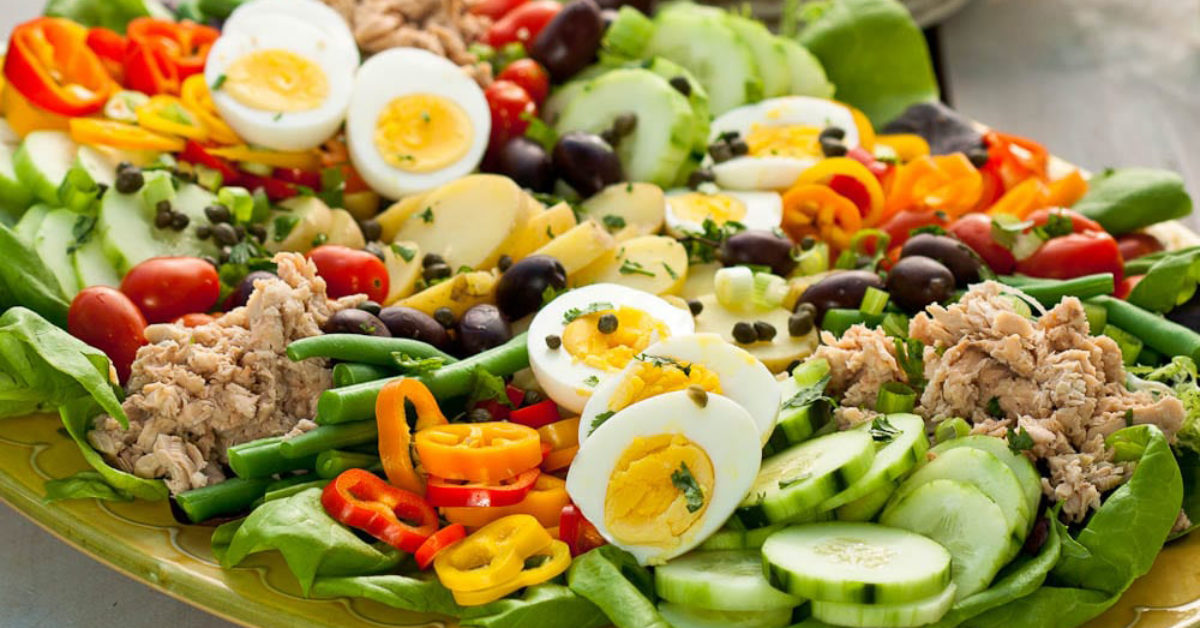
The Mediterranean diet is a popular eating pattern that has gained recognition for its numerous health benefits. Inspired by the traditional dietary habits of countries like Greece, Italy, and Spain, this way of eating emphasizes whole foods, plant-based ingredients, and healthy fats. In addition to being delicious and diverse, the Mediterranean diet has been linked to a reduced risk of heart disease, certain cancers, and other chronic conditions.
One of the key aspects of the Mediterranean diet is its emphasis on fresh fruits and vegetables. These form the foundation of every meal and provide essential nutrients such as vitamins, minerals, antioxidants, and fiber. The wide variety of colorful produce available allows for endless possibilities when it comes to creating flavorful dishes.
Incorporating legumes into your meals is another important component of this eating style. Legumes include beans (such as chickpeas), lentils, peas, and peanuts. They are an excellent source of plant-based protein and fiber while also being low in fat. Legumes can be used in soups, stews, salads or even made into dips like hummus.
Whole grains play a significant role in the Mediterranean diet as well. Replacing refined grains with whole grains not only adds more nutrients but also increases satiety due to their higher fiber content. Some examples of whole grains commonly consumed in Mediterranean countries include bulgur wheat (used in tabbouleh), quinoa (a versatile grain-like seed), whole wheat breads/pastas/couscous/barley/brown rice/oats etc., which can be incorporated into various dishes like salads or side dishes.
Fish and seafood are staple protein sources in the Mediterranean region due to its proximity to water bodies like seas or oceans. These contain essential omega-3 fatty acids that have shown positive effects on heart health by reducing inflammation levels within our body systems along with helping improve brain function too! Including fish such as salmon sardines mackerel, trout, and tuna in your diet at least twice a week is recommended.
In addition to fish and seafood, the Mediterranean diet includes moderate amounts of poultry (such as chicken or turkey) and dairy products (like yogurt and cheese). These provide additional protein sources while also supplying important vitamins and minerals. However, it’s worth noting that the consumption of red meat should be limited in this eating pattern.
Healthy fats are an integral part of the Mediterranean diet. Instead of avoiding fats altogether, this style of eating focuses on incorporating healthy fats like olive oil, nuts (such as almonds, walnuts), seeds (like flaxseeds or chia seeds), and avocados. These fats provide satiety while also offering various health benefits including reducing inflammation levels within our bodies along with improving heart health too!
Herbs and spices are used liberally in Mediterranean cuisine to add flavor without relying on excessive salt or unhealthy flavor enhancers. Commonly used herbs include basil, oregano, thyme, rosemary among others which not only make dishes tasty but also offer potential health benefits due to their antioxidant properties!
Finally, when it comes to beverages, water is the primary choice for hydration in a Mediterranean-style meal plan. However, moderate consumption of red wine has been associated with certain health benefits due to its high content of antioxidants called resveratrol. It’s important to note that moderation is key here – one glass per day for women and up to two glasses per day for men.
Now that we have discussed the various components of the Mediterranean diet let’s take a look at how you can create a sample meal plan based on these principles:
Breakfast:
– Greek yogurt topped with fresh fruits such as berries or sliced banana
– A handful of nuts/seeds
– Whole grain toast with avocado spread
Lunch:
– Mixed green salad with cherry tomatoes, cucumbers, olives dressed with olive oil and lemon juice
– Grilled chicken breast or salmon fillet
– A side of quinoa or whole wheat pita bread
Snack:
– Hummus with carrot sticks or whole grain crackers
– A handful of almonds
Dinner:
– Baked Mediterranean vegetables (such as eggplant, zucchini, and bell peppers) drizzled with olive oil and sprinkled with herbs like oregano and basil
– Grilled shrimp skewers marinated in lemon juice, garlic, and olive oil
– A serving of bulgur wheat salad
Dessert:
– Fresh fruit salad with a dollop of Greek yogurt or a small piece of dark chocolate
This sample meal plan showcases the variety and flavors that the Mediterranean diet offers. It incorporates fresh produce, lean proteins, healthy fats, whole grains, legumes, and limited amounts of dairy. Remember that this is just one example; feel free to tailor your meals according to personal preferences while keeping within the principles of the Mediterranean diet.
In conclusion, the Mediterranean diet is an enjoyable way to prioritize health while savoring delicious meals. By focusing on whole foods such as fruits, vegetables, legumes, whole grains, fish/seafood/poultry/dairy in moderation along with incorporating healthy fats like olive oil/nuts/seeds/avocado – you can create a balanced eating pattern that promotes well-being. So why not give it a try? Your taste buds will thank you!

Leave a Reply