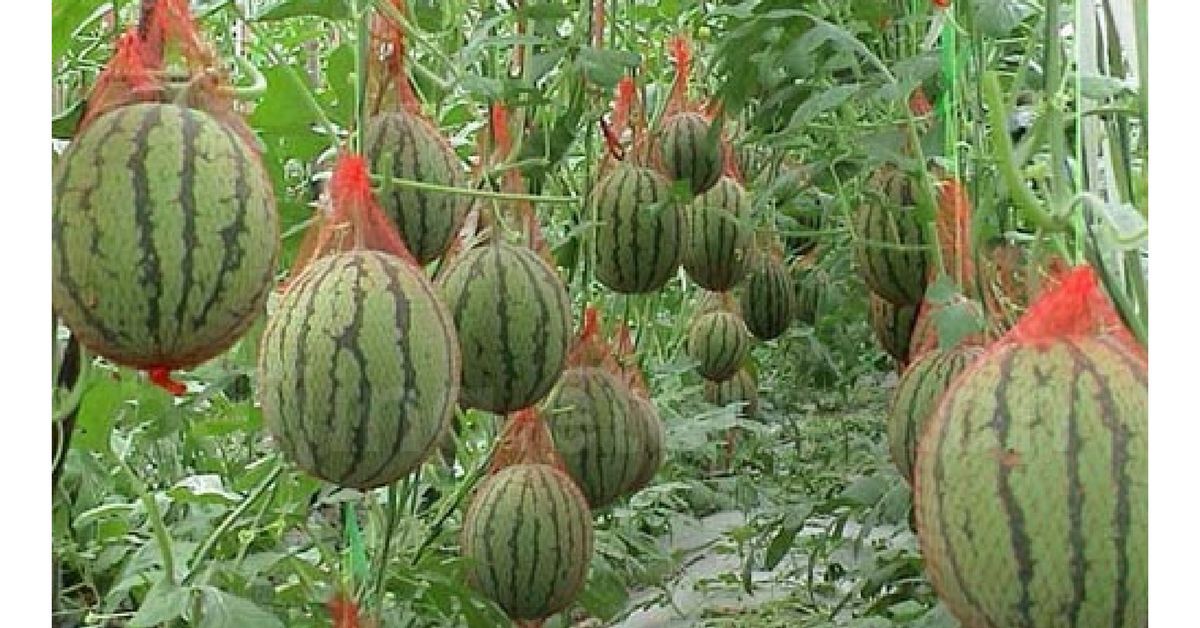
Watermelon Farming Practices: Growing Juicy and Nutritious Fruit
Watermelons are a popular summertime treat known for their refreshing taste and high water content. Whether enjoyed sliced, diced, or blended into smoothies, this fruit is not only delicious but also packed with essential nutrients. If you’ve ever wondered about the secrets behind growing juicy and nutritious watermelons, this article will provide you with insights into modern watermelon farming practices.
1. Selecting the Right Variety:
Choosing the right variety of watermelon is crucial for successful farming. There are numerous cultivars available, each differing in size, shape, color, and flavor. When selecting a variety to grow, consider factors such as climate suitability, disease resistance, market demand, and personal preference. Some popular varieties include Crimson Sweet, Sugar Baby, Charleston Gray, and Jubilee.
2. Preparing the Soil:
Watermelons thrive in well-drained soil that is rich in organic matter. Start by testing your soil’s pH level; it should ideally be between 6 and 7 to promote optimal growth. If necessary, amend the soil using compost or other organic fertilizers to improve its nutrient content. Additionally, ensure proper drainage by tilling or cultivating the soil before planting.
3. Planting Watermelon Seeds:
Watermelons can be directly sown outdoors once all danger of frost has passed and temperatures consistently reach around 70°F (21°C). Before planting seeds directly into the ground or transplanting seedlings from indoor pots or trays:
a) Create hills: Form raised mounds of soil about 12 inches high and 4 feet apart to promote good drainage.
b) Space plants properly: Leave adequate space between plants—around 3-4 feet apart—to allow air circulation.
c) Plant seeds correctly: Sow two to three seeds per hill at a depth of one inch.
d) Provide support: Install trellises or stakes to support the growing vines and prevent fruits from touching the ground.
4. Watering Techniques:
Watermelons require consistent moisture during their growing season, particularly during hot summer months. However, overwatering can lead to root rot and other diseases. Follow these watering tips for successful watermelon cultivation:
a) Drip irrigation: Consider using drip irrigation systems that allow water to be delivered directly to the base of plants, minimizing evaporation and reducing foliar diseases.
b) Watering frequency: Water deeply once a week rather than shallowly multiple times. This encourages deep root growth, making plants more resilient during dry spells.
c) Avoid wetting foliage: Wet leaves are susceptible to fungal diseases like powdery mildew. Direct water at the base of plants instead.
5. Fertilizing Requirements:
Providing adequate nutrients is essential for healthy watermelon plants and bountiful harvests. Before planting, incorporate well-rotted compost or organic matter into the soil for additional nutrition. During the growing season:
a) Apply balanced fertilizer: Use a balanced granular fertilizer with equal amounts of nitrogen (N), phosphorus (P), and potassium (K). Apply according to package instructions.
b) Side-dress fertilization: Once vines start running, side-dress with nitrogen-rich fertilizers like blood meal or fish emulsion every two weeks.
6. Pest Management:
Like any crop, watermelons face various pests that can hinder their growth or damage fruits. Integrated pest management techniques can help minimize pesticide use while effectively controlling pests:
a) Crop rotation: Rotate crops yearly to reduce pest buildup in the soil.
b) Physical barriers: Protect young seedlings by covering them with row covers until they become established.
c) Natural predators: Encourage beneficial insects such as ladybugs and lacewings that prey on common pests like aphids and whiteflies.
d) Organic pesticides: If necessary, use organic-approved pesticides as a last resort, following label instructions carefully.
7. Harvesting Watermelons:
Knowing when to harvest watermelons is crucial for achieving optimal taste and texture. Here are some indicators that your watermelon is ready to be picked:
a) Thumping: Gently tap the fruit; if it sounds hollow, it may be ripe.
b) Color change: Look for a dull skin color rather than a shiny appearance.
c) Tendril drying: Check the tendril closest to the fruit; if it has turned brown or dried up, the melon is likely ripe.
d) Size and weight: Depending on the variety, mature fruits are usually larger in size and heavier.
Follow these guidelines for successful watermelon farming practices and enjoy bountiful harvests of juicy and nutritious fruits. Remember that farming practices can vary depending on your region’s climate and specific growing conditions. Happy cultivating!

Leave a Reply