Collagen Peptides vs. Gelatin: Which is Better for Dietary Intake?
When it comes to maintaining a healthy diet, many people are turning to collagen peptides and gelatin as supplements. Both have gained popularity in recent years due to their potential benefits for skin health, joint function, and gut health. But what exactly are collagen peptides and gelatin? And which one should you choose? In this article, we will explore the differences between collagen peptides and gelatin, their nutritional profiles, and how they can be used in your dietary intake.
Understanding Collagen Peptides and Gelatin:
Collagen is the most abundant protein in our bodies, making up about 30% of our total protein content. It provides structure to our connective tissues such as skin, bones, tendons, ligaments, and cartilage. As we age or experience certain lifestyle factors like poor diet or excessive sun exposure, our natural collagen production declines.
Both collagen peptides and gelatin are derived from animal sources like beef or fish. However, they undergo different processing methods that result in distinct characteristics.
Gelatin is produced by boiling the connective tissue (such as bones) of animals until it breaks down into a thick jelly-like substance when cooled. It contains proteins including essential amino acids like glycine and proline that provide various health benefits.
On the other hand, collagen peptides (also known as hydrolyzed collagen) undergo a process called enzymatic hydrolysis that breaks down the proteins into smaller molecules called peptides. This results in a powdered form of collagen that can easily dissolve in both hot and cold liquids without forming clumps.
Nutritional Profile Comparison:
In terms of nutritional composition, both collagen peptides and gelatin offer similar amino acid profiles but differ slightly due to their processing methods.
Collagen peptides contain high amounts of specific amino acids such as glycine (around 20%), proline (around 10%), alanine, and hydroxyproline. These amino acids are essential for the production of collagen, elastin, and other proteins in the body.
Gelatin also contains these same amino acids but has a lower concentration of glycine and proline due to its natural gel-like properties. However, gelatin is an excellent source of protein as it contains all nine essential amino acids required by our bodies.
Health Benefits:
Collagen peptides and gelatin offer several potential health benefits when incorporated into your diet.
1. Skin Health: Collagen is known for its role in promoting skin elasticity and hydration. Research suggests that consuming collagen peptides or gelatin may help improve skin elasticity, reduce wrinkles, and promote overall skin health.
2. Joint Function: Collagen is a major component of our joints’ cartilage structure. Supplementation with collagen peptides or gelatin may support joint health by reducing joint pain, improving flexibility, and enhancing mobility.
3. Gut Health: The amino acid glycine found in both collagen peptides and gelatin plays a crucial role in maintaining gut integrity by supporting the production of stomach acid and enhancing the protective lining of the digestive tract.
4. Bone Strength: Collagen provides structural support to bones alongside minerals like calcium. Some studies suggest that collagen supplementation can improve bone mineral density and reduce the risk of fractures in postmenopausal women.
Usage Differences:
One significant difference between collagen peptides and gelatin lies in their usage due to their different forms:
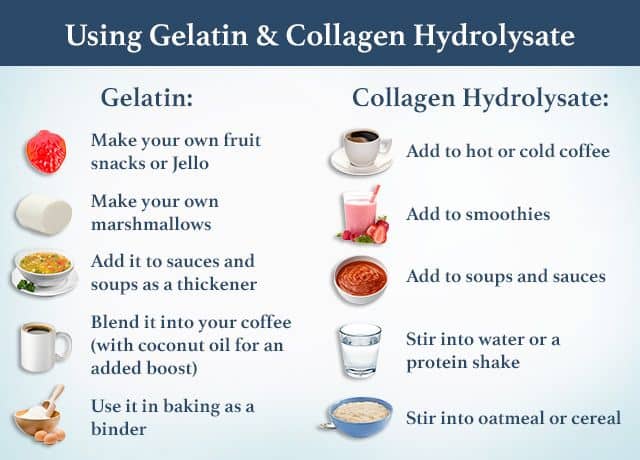
1. Collagen Peptides: Due to their powdered form, collagen peptides are highly versatile for culinary use. They can be easily mixed into hot or cold beverages like coffee or smoothies without affecting taste or texture significantly. Additionally, they can be added to recipes such as soups, stews, sauces, baked goods (like muffins or pancakes), or even used as a thickening agent for homemade dressings.
2. Gelatin: Because it gels when cooled, gelatin is commonly used in recipes that require a thickening agent or to create jellies, desserts (like gummy bears or panna cotta), and homemade bone broth. It can be dissolved in hot liquids and solidifies upon cooling.
It’s important to note that collagen peptides are more easily digested and absorbed by the body compared to gelatin due to their hydrolyzed form. However, both can provide similar benefits depending on your specific dietary needs.
Conclusion:
In summary, both collagen peptides and gelatin offer potential health benefits for skin health, joint function, gut health, and bone strength. Collagen peptides are more convenient for daily use as they readily dissolve in hot or cold liquids without affecting taste or texture. Gelatin is better suited for thickening agents or creating gelled desserts.
Ultimately, the choice between collagen peptides and gelatin depends on personal preference and how you plan to incorporate them into your diet. If you’re looking for an easy way to boost your protein intake while supporting various aspects of your health, consider adding either one of these supplements into your daily routine.

Leave a Reply