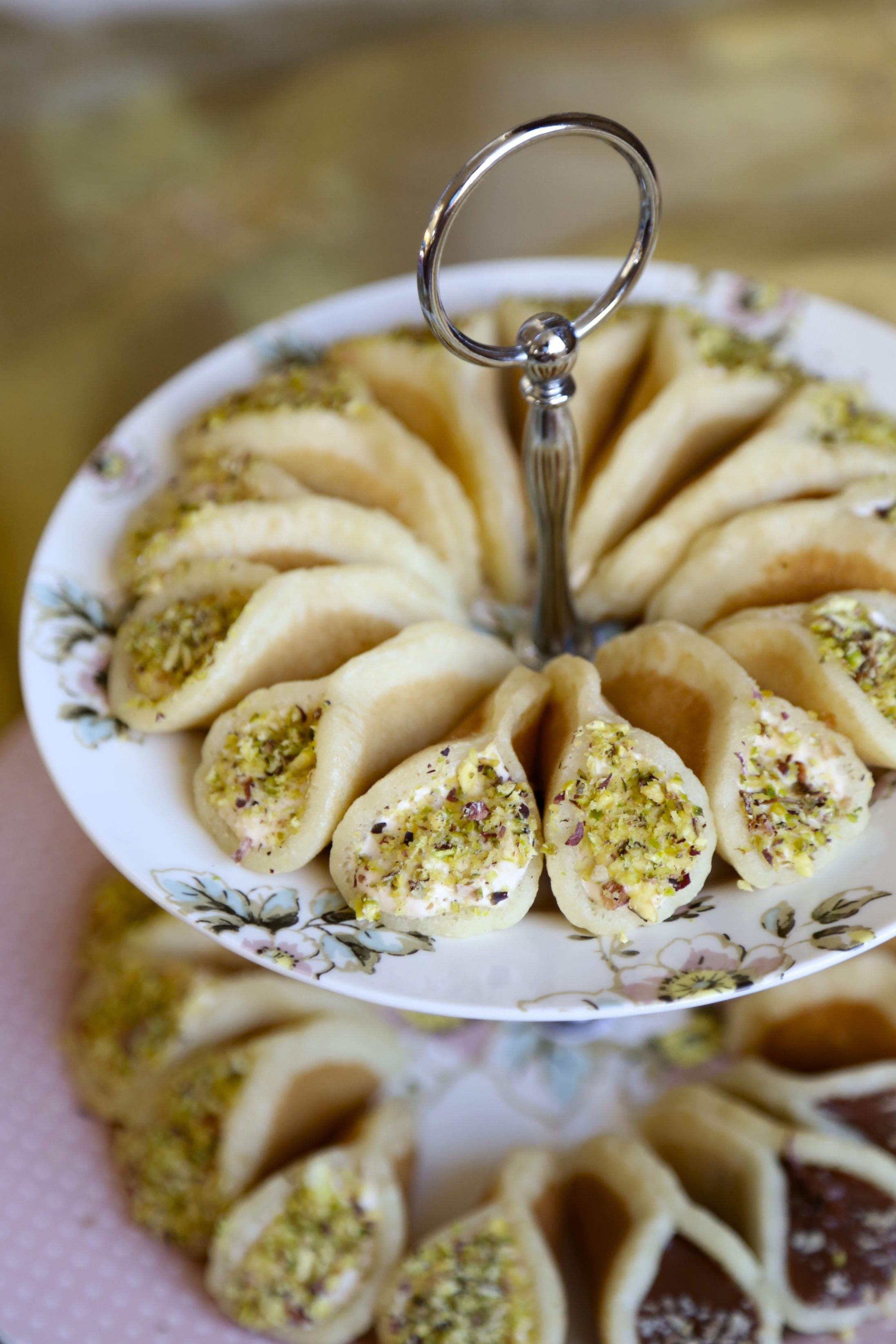
The Middle Eastern deserts, with their vast stretches of golden sand dunes and arid landscapes, have always held a certain mystique. These harsh environments are often associated with solitude and silence, but they also offer a surprising abundance of unique plant life and traditional cuisines that nourish both body and soul.
One such desert is the Rub’ al Khali, also known as the Empty Quarter. Located primarily in Saudi Arabia, this massive desert covers an area of about 650,000 square kilometers, making it one of the largest continuous sand deserts in the world. Despite its name, the Rub’ al Khali is far from empty when it comes to culinary delights.
Traditional Bedouin cuisine has evolved over centuries to adapt to the harsh conditions of desert living. With limited access to fresh produce and water sources, Bedouin cooking relies heavily on preserved foods such as dried fruits, nuts, grains like couscous or bulgur wheat, and dairy products like labneh (strained yogurt). These staples form the foundation of many Middle Eastern dishes found in desert regions.
One popular dish that exemplifies Bedouin ingenuity is called mansaf. Mansaf is a traditional Jordanian dish made with lamb cooked in a rich yogurt sauce served over rice or bulgur wheat. The meat is typically marinated in spices like cardamom and turmeric before being slow-cooked until tender. The creamy yogurt sauce adds depth of flavor while helping to combat dehydration—a common concern in arid climates.
In addition to more substantial dishes like mansaf, Middle Eastern deserts also offer an array of refreshing salads that make use of locally available ingredients. One such salad is fattoush—a vibrant mix of crisp vegetables tossed together with toasted pita bread crumbs and dressed with olive oil and lemon juice. Fattoush showcases the flavors of simple ingredients like tomatoes, cucumbers, radishes, mint leaves, and parsley, providing a burst of freshness in every bite.
The Middle Eastern deserts are also home to unique spices that add depth and complexity to traditional dishes. Za’atar is a popular spice blend made from dried thyme, oregano, marjoram, sumac, toasted sesame seeds, and salt. It is often sprinkled over dishes or mixed with olive oil as a dip for bread. The flavor profile of za’atar is earthy and tangy, making it a perfect complement to roasted meats or grilled vegetables.
Another essential spice in Middle Eastern cuisine is cumin. Cumin seeds are commonly used whole or ground to enhance the flavors of soups, stews, and meat dishes found in desert regions. Its warm aroma adds an unmistakable depth to foods while offering potential health benefits such as aiding digestion and boosting the immune system.
Despite the scarcity of water in desert environments, Middle Eastern deserts have managed to cultivate an array of fruits that thrive under these extreme conditions. Dates are perhaps one of the most iconic fruits associated with the region’s arid landscapes. These naturally sweet treats not only satisfy sugar cravings but also provide essential nutrients like fiber and potassium.
The date palm trees themselves are revered for their ability to withstand harsh conditions while producing abundant fruit year after year. In fact, dates have been consumed by ancient civilizations for centuries due to their high nutritional value—making them an ideal snack for those exploring the vast desert expanses.
Moreover, figs are another fruit that has played an essential role in Middle Eastern desert cuisines throughout history. Figs grow well even without much water because they can draw moisture from deep within the soil using their extensive root systems. Their succulent flesh pairs beautifully with savory cheeses or can be enjoyed on its own as a healthy snack rich in vitamins A and K.
While Bedouin cuisine forms the backbone of culinary traditions in Middle Eastern deserts, modern influences have also made their mark in recent years. As urbanization and globalization continue to shape the region, a fusion of traditional and contemporary flavors has emerged.
For example, in cities like Dubai and Abu Dhabi, you can find a thriving food scene with restaurants serving innovative dishes that pay homage to Middle Eastern traditions while incorporating international techniques and ingredients. Here, chefs experiment with local desert produce like camel milk or incorporate spices from neighboring cuisines such as Persian saffron or Indian curry blends.
In conclusion, the Middle Eastern deserts offer much more than meets the eye. Beyond their awe-inspiring landscapes lies a rich culinary heritage shaped by centuries of adaptation to extreme conditions. From hearty stews like mansaf to refreshing salads like fattoush, these desert cuisines showcase creativity born out of necessity.
The use of unique spices like za’atar and cumin adds depth and complexity to dishes while fruits like dates and figs provide natural sweetness and essential nutrients. Whether enjoying traditional Bedouin fare or indulging in modern culinary creations inspired by desert ingredients, exploring the flavors of Middle Eastern deserts is a journey worth embarking on for any food enthusiast seeking new experiences.

Leave a Reply