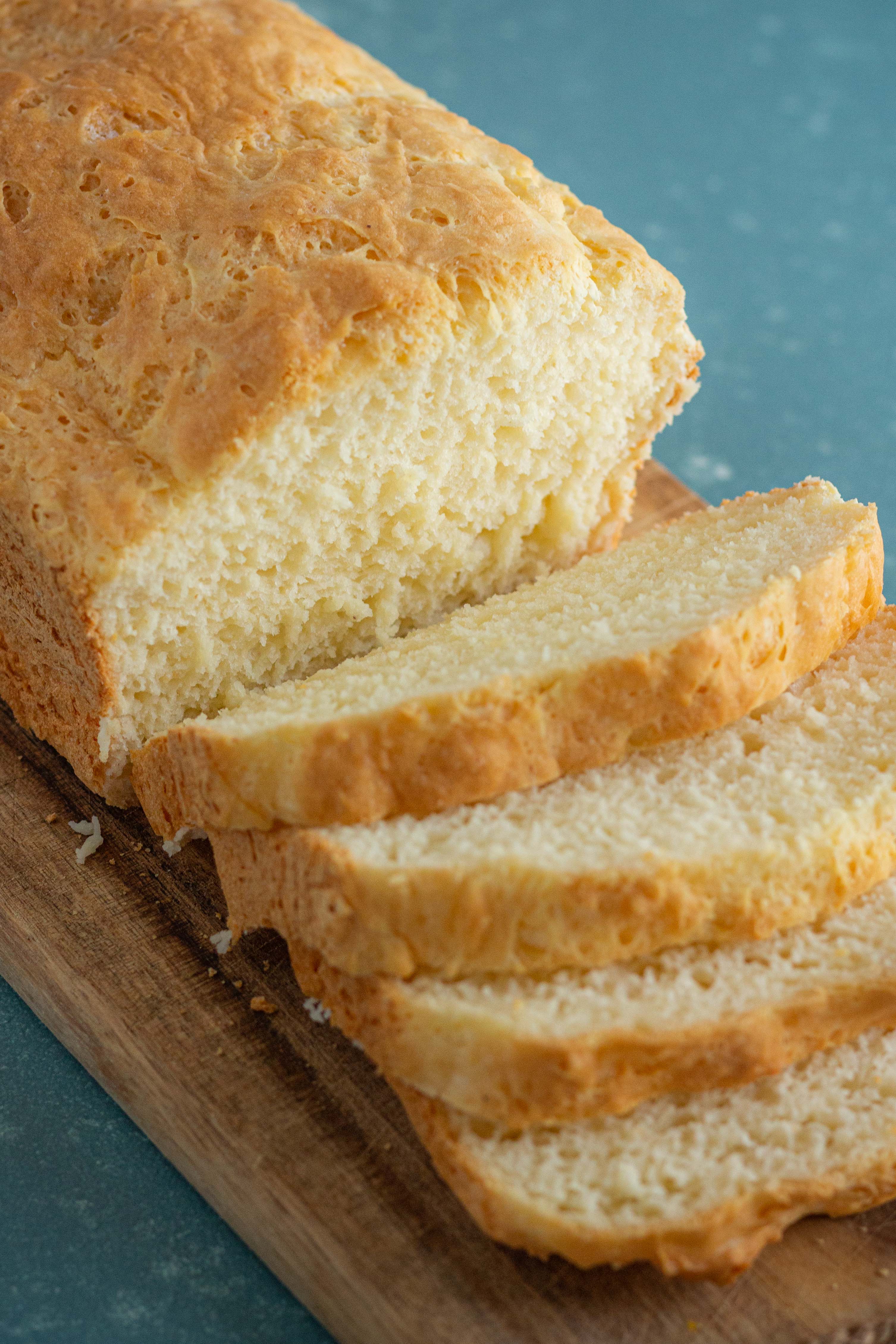
Gluten-Free Bread: A Delicious and Nutritious Alternative
In recent years, gluten-free products have gained significant popularity. One such product that has seen a surge in demand is gluten-free bread. This wheat-free alternative has become a staple for those with celiac disease or gluten sensitivity, as well as individuals looking to adopt a healthier lifestyle. But what exactly is gluten-free bread? Is it just another fad, or does it offer genuine benefits? In this article, we will explore the world of gluten-free bread and understand why it can be both delicious and nutritious.
To begin with, let’s clarify what gluten actually is. Gluten is a protein found in wheat, barley, rye, and other related grains. For individuals who have celiac disease or non-celiac gluten sensitivity (NCGS), consuming foods containing gluten can cause severe digestive issues and other unpleasant symptoms. This makes finding suitable alternatives crucial for their overall well-being.
Fortunately, advancements in food technology have allowed for the creation of various types of gluten-free flours that serve as the base for making bread. These flours are typically made from ingredients like rice flour, tapioca starch, potato starch, cornstarch, or almond flour. By using these alternative flours instead of wheat flour, bakers can produce bread that mimics the texture and taste of traditional loaves while being safe for consumption by those with dietary restrictions.
One common misconception about gluten-free bread is that it lacks flavor and texture compared to regular bread. However, thanks to improvements in recipes and baking techniques over time, the quality of these loaves has vastly improved. Many brands now offer an array of options ranging from soft sandwich-style slices to crusty artisanal varieties.
Moreover, not only does modern-day gluten-free bread taste better than ever before but it also offers several nutritional advantages over its conventional counterpart. One notable benefit is its higher fiber content. Most manufacturers fortify their gluten-free bread with additional fiber sources such as psyllium husk or flaxseed, which are beneficial for digestive health. Additionally, many gluten-free breads are also enriched with vitamins and minerals to compensate for any potential nutrient deficiencies caused by avoiding wheat-based products.
Another advantage of opting for gluten-free bread is its potential to promote weight management. Many people find that reducing or eliminating gluten from their diet helps improve digestion and reduces bloating. As a result, they may experience better control over their appetite and have an easier time managing their weight.
Gluten-free bread can also be a valuable addition to the diets of individuals who simply want to adopt a healthier eating pattern. By choosing alternatives that are free from additives, preservatives, and artificial flavors commonly found in some regular breads, consumers can ensure they are making more wholesome choices for themselves and their families.
Furthermore, this type of bread opens up new culinary opportunities for those exploring different cuisines. Whether it’s using gluten-free bread as a base for creative sandwiches or incorporating it into recipes like French toast or breadcrumbs for coatings – the possibilities are endless! Gluten-free options allow individuals to continue enjoying classic dishes without compromising on flavor or variety.
It’s important to note that not all gluten-free breads are created equal. As with any food product, it’s essential to read labels carefully and choose brands that prioritize quality ingredients. Some commercially available options may contain high amounts of added sugars or unhealthy fats in order to enhance taste and texture – so being an informed consumer is crucial.
In conclusion, the rise of gluten-free products has paved the way for delicious and nutritious alternatives like gluten-free bread. No longer just a fad but rather a viable option catering to specific dietary needs while offering enhanced nutritional benefits compared to traditional wheat-based loaves. With improved taste profiles and advancements in baking techniques, there has never been a better time to explore the world of tasty gluten-free bread. So, whether you have celiac disease, gluten sensitivity, or simply want to make healthier choices in your diet – give gluten-free bread a try and discover the joy of this versatile and satisfying alternative.

Leave a Reply