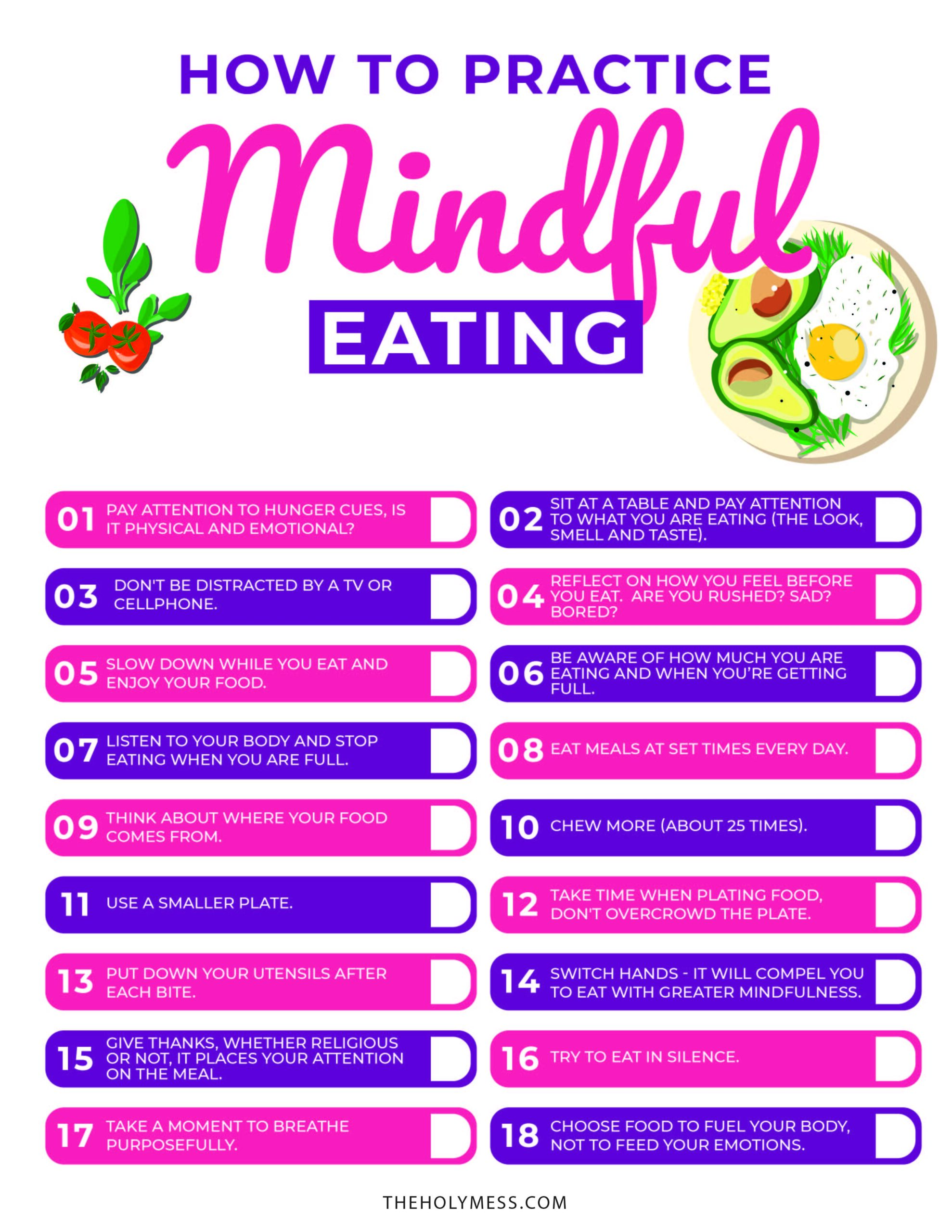
Mindful Meal Planning: A Guide to Healthy and Nourishing Eating
Introduction:
In today’s fast-paced world, it can be challenging to prioritize our health and well-being. However, one way we can ensure we are nourishing our bodies with wholesome food is through mindful meal planning. Taking the time to plan your meals not only helps you make healthier choices but also saves you time, money, and reduces food waste. In this guide, we will explore the benefits of mindful meal planning and provide you with practical tips to get started.
Benefits of Mindful Meal Planning:
1. Healthier Food Choices: When you plan your meals in advance, you have more control over what goes into your body. You can focus on incorporating a variety of nutrient-dense foods like fruits, vegetables, whole grains, lean proteins, and healthy fats.
2. Portion Control: Mindful meal planning allows you to portion out your meals in advance. This helps prevent overeating or indulging in unhealthy snacks throughout the day.
3. Time-Saving: By prepping ingredients or cooking larger batches of food ahead of time, you can save valuable minutes during busy weekdays when cooking from scratch might not be feasible.
4. Cost-Effective: With a thoughtfully planned shopping list and clear understanding of what ingredients are needed for each recipe, you can avoid impulse purchases or buying unnecessary items while grocery shopping.
5. Reduced Food Waste: Planning meals enables us to use up leftovers efficiently and reduce food waste by utilizing ingredients across multiple dishes throughout the week.
Tips for Mindful Meal Planning:
1. Set Goals:
Before diving into meal planning, identify your goals – whether they are weight loss/gain/maintenance or dietary preferences (e.g., vegetarianism). These goals will help shape your overall plan and ingredient selection.
2. Create a Weekly Meal Plan:
Designate specific days for different types of meals (breakfasts, lunches/dinners, snacks) and create a meal plan for the entire week. Consider your schedule, including any upcoming events or commitments that may affect your meals.
3. Explore Healthy Recipes:
Look for new recipes online, in cookbooks, or from trusted sources to keep your meals interesting and varied. Experiment with different flavors and cuisines to avoid monotony.
4. Consider Batch Cooking:
If you have a busy schedule during the week, set aside some time on weekends to batch cook certain components like grains, proteins, or sauces. This way, you can assemble quick and nutritious meals during weekdays.
5. Plan for Leftovers:
Factor leftovers into your meal plan by intentionally making larger portions of certain dishes so they can be enjoyed as lunch or dinner the next day.
6. Make a Shopping List:
Based on your weekly meal plan, create a comprehensive shopping list that includes all necessary ingredients. Stick to this list while grocery shopping to avoid impulse purchases and unnecessary items.
7. Stock Your Pantry:
Maintain a well-stocked pantry with staples like whole grains (rice, quinoa), canned beans/legumes, spices/herbs, healthy oils/vinegars/sauces/dressings for easy meal preparation.
8. Be Mindful of Seasonality:
Consider incorporating seasonal fruits and vegetables into your meal plan as they tend to be fresher, more flavorful and readily available at affordable prices.
9. Prep Ingredients in Advance:
Chop vegetables or wash salad greens ahead of time so that they are easily accessible when cooking meals throughout the week.
10.Track Progress & Adapt:
Keep track of what works well for you – both in terms of taste preferences and adherence to goals – so you can adjust future meal plans accordingly.
Conclusion:
Mindful meal planning is an effective strategy for achieving healthier eating habits while saving time and money. By setting goals, creating weekly plans with diverse recipes using fresh ingredients while considering portion sizes and leftovers, you can ensure a nourishing and enjoyable eating experience. So, grab a pen and paper, start planning your meals mindfully, and embark on a journey towards better health and well-being.

Leave a Reply