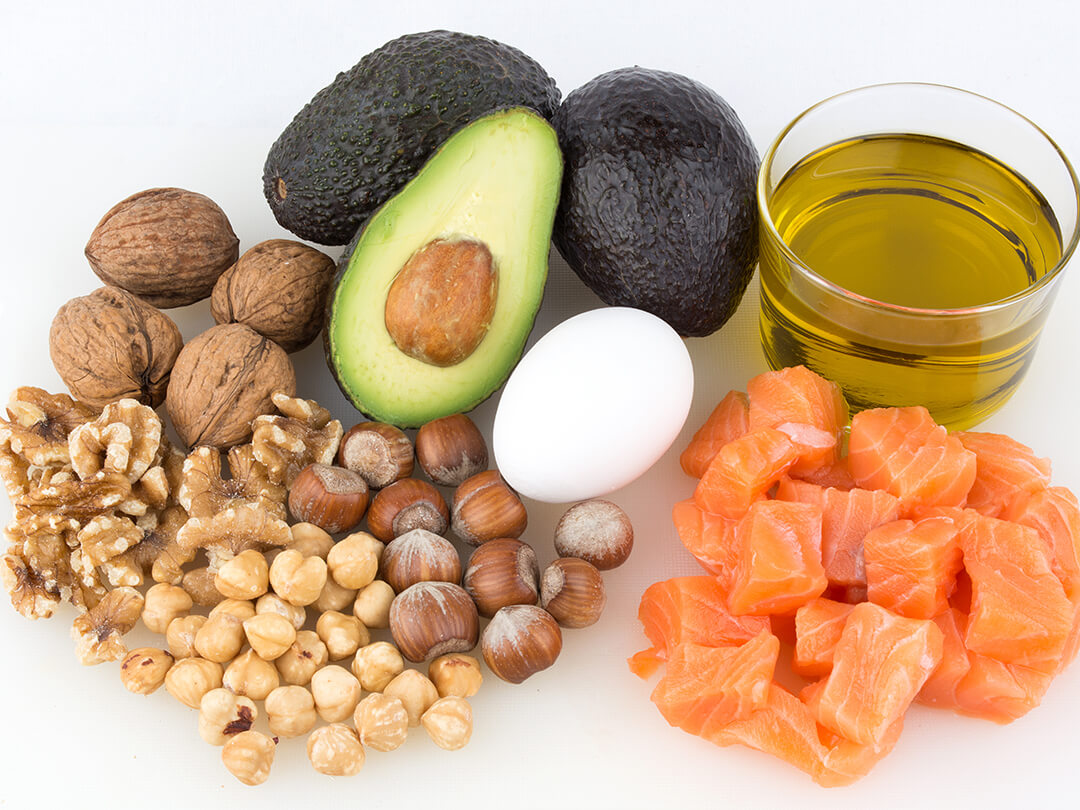
When it comes to maintaining a healthy diet, incorporating sources of healthy fats is essential. Healthy fats are not only crucial for brain function and hormone production but also play a vital role in supporting heart health and managing weight. While there are various sources of healthy fats available, it’s important to consider both the nutritional value and affordability when choosing which ones to include in your diet. In this article, we will compare the prices of different sources of healthy fats to help you make informed decisions about what fits best within your budget.
1. Avocado:
Avocados have gained popularity in recent years due to their rich taste and versatility in recipes. They are an excellent source of monounsaturated fats, which can help reduce bad cholesterol levels while increasing good cholesterol levels in the body.
In terms of price, avocados can vary depending on factors such as size, variety, seasonality, and location. Generally speaking, avocados tend to be more expensive compared to other fruits or vegetables because they require specific growing conditions and take longer to ripen.
2. Nuts:
Nuts are another great source of healthy fats that offer numerous health benefits. Almonds, walnuts, cashews, pistachios – all these nuts contain high amounts of monounsaturated and polyunsaturated fats that promote heart health.
The cost of nuts can fluctuate based on factors like type (organic vs non-organic), brand reputation, packaging size (bulk vs individual packets), and whether they are raw or roasted/salted. Buying nuts in bulk is often more economical compared to pre-packaged options.
3. Olive Oil:
Olive oil is an integral part of Mediterranean cuisine known for its abundance of monounsaturated fatty acids that contribute positively towards cardiovascular health. It is commonly used for cooking or as a dressing for salads.
The price range varies depending on factors such as extra virgin vs regular olive oil quality (extra virgin being more expensive), brand, and packaging size. While olive oil may be pricier than some other cooking oils, its health benefits make it a worthwhile investment.
4. Coconut Oil:
Coconut oil has gained popularity as a versatile cooking ingredient due to its unique flavor and potential health benefits. It contains medium-chain triglycerides (MCTs), which are quickly absorbed by the body for energy production.
The price of coconut oil can differ depending on factors such as organic vs non-organic, virgin vs refined quality, and brand reputation. Comparing prices between different brands and opting for larger sizes can help save money in the long run.
5. Seeds:
Seeds like chia seeds, flaxseeds, hemp seeds, and pumpkin seeds are packed with healthy fats along with essential vitamins and minerals. They provide a convenient way to enhance the nutritional value of meals or snacks.
Price variations occur based on factors like organic vs non-organic options, packaging size (bulk vs individual packets), brand reputation, and availability in your region. Buying larger quantities of seeds is often more cost-effective compared to smaller portions.
6. Salmon:
Salmon is an excellent source of omega-3 fatty acids – essential fats that promote heart health and reduce inflammation in the body. Fresh or frozen salmon fillets are commonly available in grocery stores or fish markets.
The price of salmon depends on various aspects including wild-caught vs farm-raised varieties (wild-caught being generally pricier), seasonality, location/geographical proximity to fishing sources, and whether it’s fresh or frozen. Opting for frozen salmon can sometimes be more affordable without compromising nutritional value.
7. Eggs:
Eggs are not only a great source of protein but also contain healthy fats within their yolks. They offer an inexpensive yet nutritious option for those looking to incorporate healthy fats into their diet without breaking the bank.
Egg prices vary depending on factors such as organic vs non-organic, free-range vs conventional farming methods, and brand reputation. Buying larger quantities or in bulk can often lead to overall savings.
8. Greek Yogurt:
Greek yogurt is a popular dairy product that contains healthy fats along with protein and probiotics. It provides a creamy and flavorful addition to meals or snacks while offering numerous health benefits.
The price of Greek yogurt varies based on factors such as brand reputation, fat content (low-fat vs full-fat), packaging size, and whether it’s flavored or plain. Opting for larger containers instead of single-serving cups can help reduce costs.
9. Dark Chocolate:
Dark chocolate with high cocoa content is not only a delicious treat but also offers health benefits due to its monounsaturated fats and antioxidants. However, moderation is key when consuming dark chocolate due to its calorie density.
The price of dark chocolate depends on factors like cocoa percentage (higher percentage often indicates better quality and higher price), brand reputation, package size (individual bars vs bulk options), and added ingredients/flavors. Choosing plain dark chocolate without additives may be more cost-effective.
10. Peanut Butter:
Peanut butter is an affordable source of healthy fats that can be easily incorporated into various dishes or enjoyed as a spread. Look for natural peanut butter options that contain minimal added sugars or oils.
Price variations occur based on factors such as organic vs non-organic, brand reputation, packaging size (small jars vs larger tubs), and whether it’s smooth or crunchy peanut butter. Comparing prices between different brands can help find the most economical option without compromising nutritional value.
In conclusion, incorporating sources of healthy fats into your diet doesn’t have to break the bank. By comparing prices across different sources like avocados, nuts, olive oil, coconut oil, seeds, salmon, eggs, Greek yogurt, dark chocolate, and peanut butter – you can make informed choices that align with both your budget and nutritional goals. Remember to consider factors such as quality, brand reputation, packaging size, and availability in your region when comparing prices. Prioritizing healthy fats within a balanced diet is an investment in your long-term well-being.

Leave a Reply