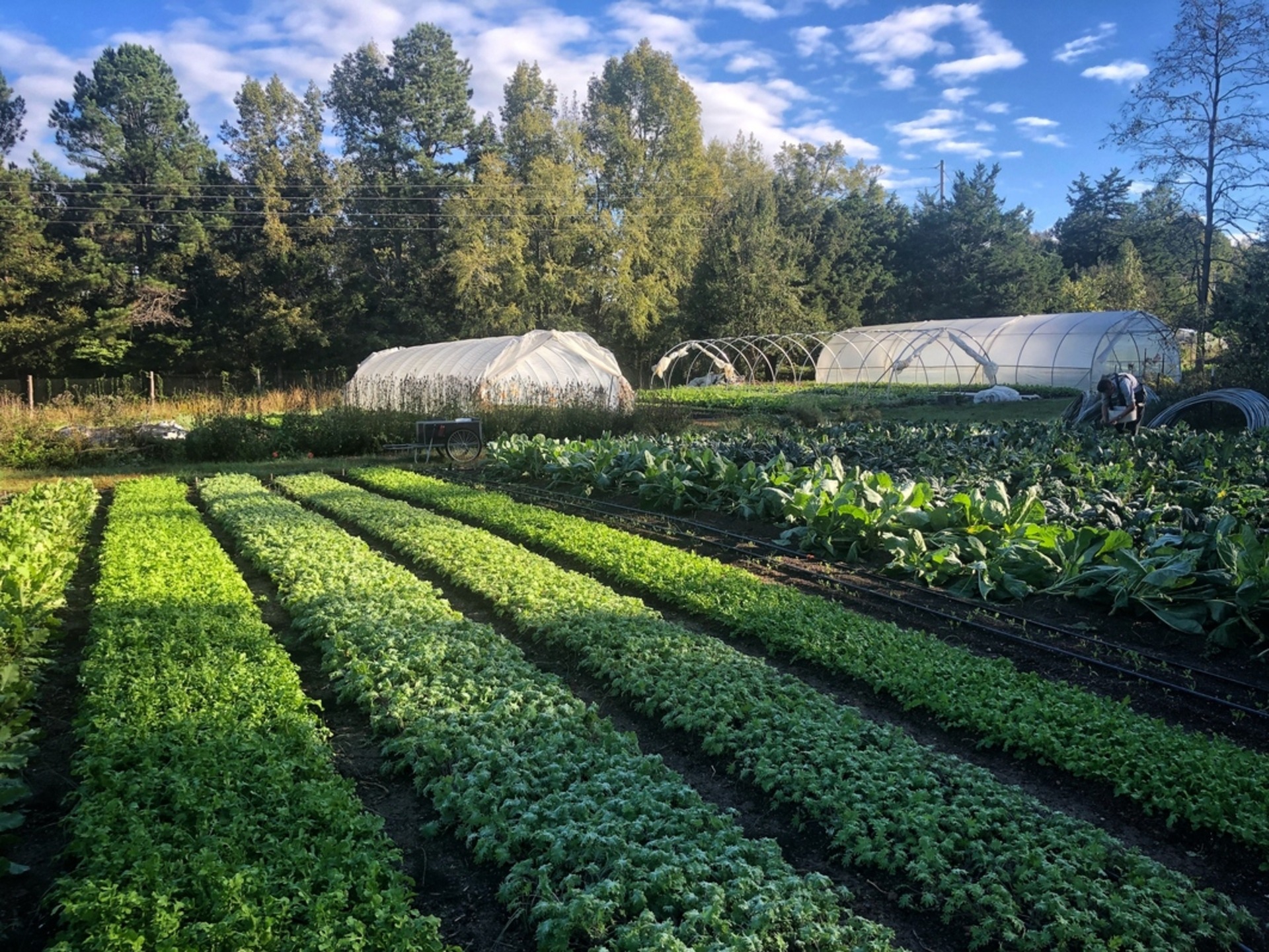
Permaculture: A Sustainable Approach to Healthy Eating
Introduction:
In recent years, there has been a growing awareness of the importance of sustainable and eco-friendly practices in all aspects of life. When it comes to food production and consumption, permaculture has emerged as a powerful tool for promoting healthy eating while respecting the environment. In this case study, we will delve into the principles and benefits of permaculture, exploring how it can contribute to our overall well-being and provide us with nourishing, delicious food.
What is Permaculture?
Permaculture is a holistic approach to designing systems that mimic natural ecosystems. The term itself combines “permanent” and “agriculture,” emphasizing its focus on creating sustainable systems that last over time. Developed by Bill Mollison and David Holmgren in the 1970s, permaculture integrates elements such as agriculture, architecture, energy systems, water management, waste management, and community development.
The Principles of Permaculture:
1. Observe and interact: This principle emphasizes the importance of understanding natural patterns and processes before making any interventions. By carefully observing our surroundings – climate conditions, soil quality, biodiversity – we gain valuable insights about how best to work with nature rather than against it.
2. Catch and store energy: In permacultural design systems, capturing energy from various sources is crucial for sustaining life cycles effectively. Whether it’s harnessing solar power through photovoltaic panels or collecting rainwater for irrigation purposes – storing energy enables us to meet our needs while minimizing reliance on external resources.
3. Obtain a yield: Permaculture encourages us to create productive spaces where we can harvest an abundance of diverse crops throughout the year. By selecting appropriate plant varieties that thrive in local conditions while also considering their nutritional value for human consumption – we maximize both quantity and quality yields.
4. Apply self-regulation & feedback loops: Just like natural ecosystems have self-regulating mechanisms, permaculture design systems aim to create closed-loop cycles. By minimizing waste and reusing resources within the system, we reduce our ecological footprint while ensuring long-term sustainability.
5. Use and value renewable resources: Permaculture champions the use of renewable resources as opposed to finite ones. By utilizing solar energy, wind power, natural materials, and organic waste – we minimize environmental degradation and promote a healthier planet.
6. Produce no waste: In line with the concept of closed-loop systems, permaculture seeks to eliminate waste by turning it into a valuable resource. For instance, composting kitchen scraps not only diverts them from landfills but also creates nutrient-rich soil amendments that enhance plant growth.
7. Design from patterns to details: Understanding the interconnectedness of elements in an ecosystem is crucial for successful permacultural design. By observing recurrent patterns in nature – such as water flow or sun exposure – we can create efficient layouts that optimize productivity and reduce unnecessary inputs.
8. Integrate rather than segregate: Permaculture emphasizes the importance of diversity in both plant selection and overall system design. Integrating various species promotes symbiotic relationships between plants, insects, birds, and microorganisms – fostering a balanced ecosystem where each element contributes to its overall health.
Benefits of Permaculture:
1. Environmental sustainability: One of the primary advantages of permaculture is its ability to regenerate degraded landscapes while preserving biodiversity. Through techniques like agroforestry (planting trees alongside crops), contour plowing (preventing erosion), and water harvesting (capturing rainwater), permaculturists work towards restoring ecosystems rather than depleting them.
2. Healthier food choices: Permaculture encourages growing diverse varieties of fruits, vegetables, herbs, nuts – all organically without synthetic chemicals or pesticides – resulting in more nutritious food options for consumers. Additionally, since produce is often grown locally without the need for long-distance transportation, it retains its freshness and flavor, further enhancing its nutritional value.
3. Increased self-sufficiency: By adopting permaculture principles, individuals and communities can become more self-reliant in terms of food production. Growing your own food reduces dependence on industrial agriculture and empowers people to take control of their health and well-being.
4. Enhanced resilience: Permaculture design systems are inherently resilient due to their focus on diversity, resource efficiency, and closed-loop cycles. This resilience extends beyond environmental aspects to social and economic spheres as well – creating stronger communities capable of weathering challenges like climate change or economic uncertainty.
5. Positive impact on climate change: Permaculture mitigates climate change by sequestering carbon through practices such as regenerative agriculture and reforestation. These methods help reduce greenhouse gas emissions while restoring degraded soil fertility – a win-win solution for both the environment and our overall health.
Conclusion:
Permaculture offers a transformative approach to healthy eating that goes beyond simply choosing nutritious foods but also encompasses sustainable growing practices rooted in respect for nature’s wisdom. By embracing permaculture principles, we can create vibrant ecosystems that provide us with an abundance of nourishing food while preserving the planet for future generations. Whether you have a small backyard garden or are part of a larger agricultural project, incorporating permacultural techniques will undoubtedly contribute to healthier living and a more sustainable future.

Leave a Reply