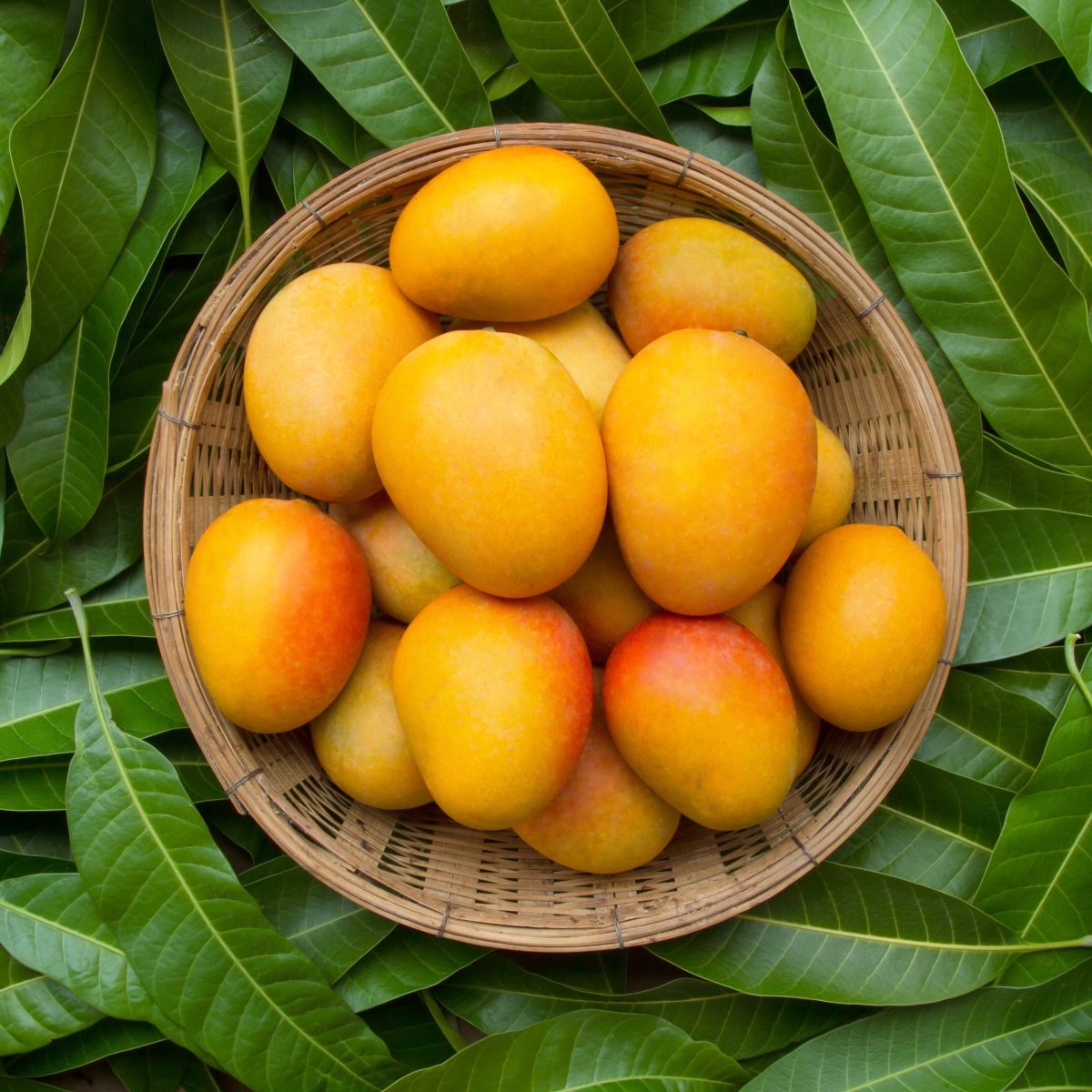
How to Select a Ripe Mango: A Handy Guide
Mangoes are not only delicious and refreshing, but they also offer numerous health benefits. Packed with essential nutrients such as vitamins A and C, potassium, and fiber, mangoes make for an excellent addition to a healthy diet. However, selecting the perfect ripe mango can be quite challenging for some people. In this article, we will guide you through the process of choosing a ripe mango so that you can enjoy its sweet and juicy goodness every time.
1. Understand the Different Types of Mangoes
Before diving into the art of picking a ripe mango, it is important to familiarize yourself with the various types available in your area. Some popular varieties include Alphonso (known for its sweetness), Tommy Atkins (commonly found in supermarkets), Kent (juicy and flavorful), Ataulfo (creamy texture), and Haden (rich taste). Each type has its own unique characteristics when it comes to taste, texture, color, and ripening time.
2. Examine the Color
The color of a mango can provide valuable insight into its ripeness. While it may vary depending on the variety, generally speaking, a ripe mango should have vibrant hues with no signs of greenness or dullness. For example, Alphonso mangoes turn golden yellow when fully ripe while Tommy Atkins tend to have more red or orange tones when ready to eat.
3. Check Firmness
Gently squeeze the mango using your palm or fingertips to assess its firmness. Avoid applying excessive pressure as this can bruise or damage the fruit. A perfectly ripe mango should yield slightly under gentle pressure without feeling too soft or mushy.
4. Smell Test
One of the most reliable ways to determine if a mango is ripe is by smelling it near the stem end – where it was once attached to the tree’s branch.The aroma emitted from this area should be sweet and fragrant, indicating ripeness. If there is no noticeable smell or it has an unpleasant odor, the mango is likely unripe.
5. Pay Attention to Texture
The texture of a ripe mango can vary depending on its variety. However, in general, a ripe mango should feel smooth and have a slight give when pressed gently. Avoid mangoes that are excessively soft or overly firm as they may indicate either overripeness or underripeness.
6. Consider the Time Since Harvest
Mangoes continue to ripen after being harvested; therefore, the time since harvest plays a crucial role in determining their readiness to eat. If you prefer a perfectly ripe mango for immediate consumption, choose fruits that have been recently harvested rather than those picked too early.
7. Look for Even Ripening
Check the skin of the mango for any signs of uneven ripening such as blemishes, dark spots, or bruises. These can indicate damage or improper storage conditions that may affect both taste and texture.
8. Trust Your Supplier
When purchasing mangoes from local markets or grocery stores, it’s helpful to establish trust with your supplier over time by consistently buying high-quality produce from them. A reputable supplier will ensure that their fruits are fresh and properly handled throughout the supply chain.
9. Consider Buying Organic Mangoes
While not essential for everyone, some people prefer buying organic mangoes due to health and environmental considerations. Organic farming practices prohibit the use of synthetic pesticides and fertilizers which can potentially harm human health and ecosystems.
10.Store Properly at Home
Once you’ve selected your perfect ripe mangoes, proper storage is key to maintaining their freshness until you’re ready to enjoy them.To slow down further ripening process,you can store them in refrigerator.The cool temperature will help preserve their flavor while delaying spoilage.Make sure not keep them refrigerated for extended periods as it might impact taste quality.
In conclusion, selecting a ripe mango involves considering factors such as color, firmness, aroma, and texture. By paying attention to these indicators and familiarizing yourself with the different mango varieties available in your area, you can confidently choose a perfectly ripe mango every time. So go ahead and indulge in this sweet tropical fruit while reaping its numerous health benefits!

Leave a Reply