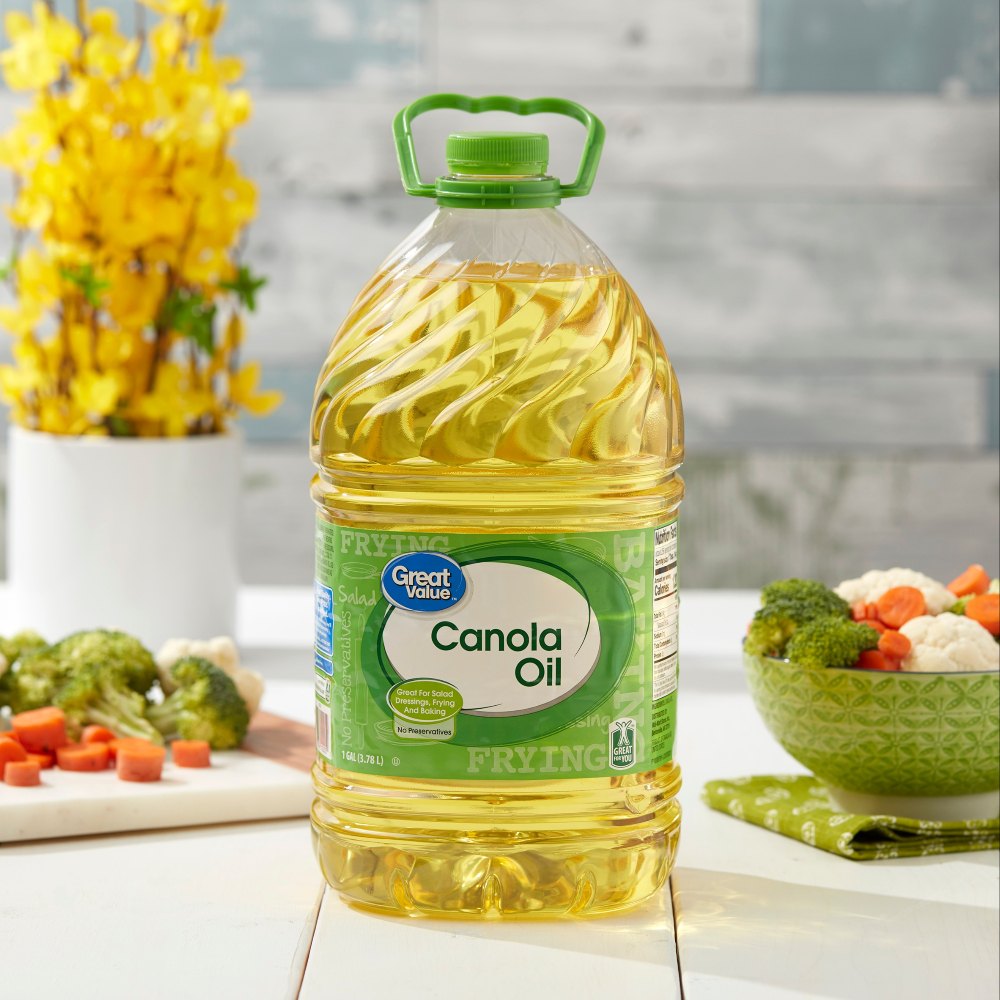
Ah, Canada. The land of maple syrup, hockey, and canola oil. Wait, what? Canola oil? Yes, you heard that right! Canola oil is one of Canada’s finest contributions to the world of healthy eating. So grab your toque and let’s dive into the fascinating story behind this versatile and oh-so-Canadian cooking staple.
Now, before we get all giddy about canola oil, let’s clear up a common misconception. Contrary to popular belief, canola oil does not come from a magical Canadian plant called “canola.” In fact, the name “canola” is derived from “Canadian Oil, Low Acid,” which was created by the clever folks at Agriculture Canada back in the 1970s.
So where does canola oil actually come from? Well, it all starts with those vibrant yellow fields you often see stretching across the Canadian prairies. These fields are filled with rapeseed plants – yes, you read that correctly – rapeseed. But fear not! Rapeseed doesn’t sound as appetizing as canola (it even has an unfortunate name), but it serves as the foundation for our beloved cooking oil.
Back in the day when people first started using rapeseed for culinary purposes (yes, there was a time before canola!), they soon discovered its high levels of erucic acid were not exactly ideal for human consumption. Erucic acid may sound like something straight out of a sci-fi movie villain’s lair but trust me; it’s not something you want lingering in your body.
Enter some brilliant Canadian scientists who set out on a mission to create a more palatable version of rapeseed oil without all that pesky erucic acid. After years of research and development (and probably countless cups of Tim Hortons coffee), they successfully bred new varieties of rapeseed with significantly reduced levels of erucic acid.
These new and improved rapeseed plants were then given the catchy name “canola,” and the rest is history. Canola oil quickly gained popularity not only in Canada but worldwide, thanks to its neutral taste, high smoke point, and impressive nutritional profile.
Now, let’s talk about that nutritional profile because canola oil truly shines in this department. It’s low in saturated fat and contains a good balance of monounsaturated fats and polyunsaturated fats – you know, the heart-healthy ones. It’s also a great source of omega-3 fatty acids, an essential nutrient that supports brain health and reduces inflammation.
But wait, there’s more! Canola oil is rich in vitamin E, which acts as an antioxidant to protect your cells from damage. This little Canadian gem even boasts a decent amount of phytosterols – plant compounds that have been shown to reduce cholesterol levels. So if you’re looking for an oil that packs a nutritional punch without sacrificing flavor or versatility, canola oil has got your back (or should I say “your kitchen?”).
Speaking of versatility, let me tell you all the ways you can enjoy canola oil in your culinary adventures. Its mild flavor makes it perfect for everything from sautéing vegetables to baking cookies. You can use it as a base for homemade salad dressings or drizzle it over roasted veggies for some extra pizzazz. Heck, you could even deep fry those poutine fries in canola oil if you really want to go full Canadian!
And did I mention its high smoke point? That means you don’t have to worry about setting off the fire alarm every time you crank up the heat on your stove. Whether you’re searing a steak or stir-frying some veggies, canola oil has got your back with its ability to withstand high temperatures without breaking down into harmful compounds.
But hold on just a second. Canola oil may be a superstar in the kitchen, but it also has some surprising non-culinary uses. For example, did you know that canola oil can help remove sticky residue from labels and stickers? Just dab a bit of oil on the offending spot, let it sit for a few minutes, and wipe away with ease. It’s like magic!
Canola oil is also great for shining stainless steel appliances (goodbye fingerprints!) or moisturizing dry skin (move over, fancy face creams!). So next time you have some leftover canola oil after whipping up a delicious meal, put it to good use beyond the kitchen.
Now, before I wrap up this love letter to canola oil (sorry if I got carried away), let’s address one more important question: Is canola oil actually healthy?
Well, here’s the thing – no single food or ingredient is going to magically make you healthy or unhealthy. It’s all about balance and moderation. Canola oil certainly has its nutritional benefits and is considered one of the healthier cooking oils available. However, like any other fat source, it should be consumed in moderation as part of an overall balanced diet.
And remember, even though canola oil comes from Canada and has “oil” in its name, it doesn’t mean you should chug bottles of it like maple syrup at breakfast time. A little goes a long way when cooking with oils.
So there you have it – the fascinating story behind Canada’s gift to healthy eating: canola oil! From its humble beginnings as rapeseed to becoming a staple in kitchens around the globe – this versatile culinary gem brings both flavor and health benefits to your table.
Next time you reach for that bottle of golden goodness labeled “canola,” take a moment to appreciate how Canadian ingenuity transformed an unassuming plant into something truly remarkable. And who knows? Maybe by using canola oil, you’ll unleash your inner Canadian and embrace a healthier, more adventurous approach to cooking. Happy canola oil adventures, eh!

Leave a Reply