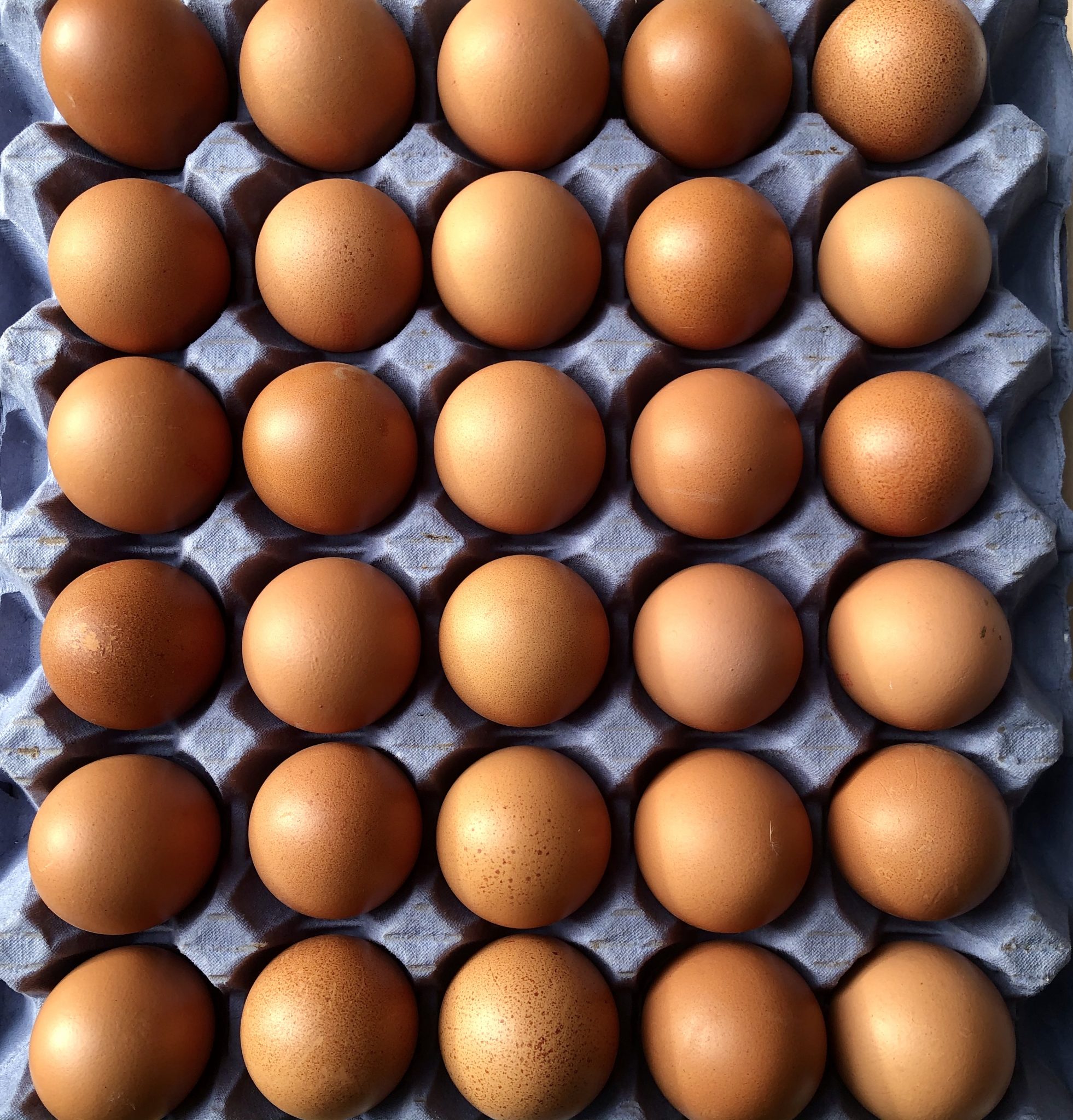
Free-Range Egg Production: Understanding Methods and Practices
When it comes to making healthy choices for ourselves and the environment, opting for free-range eggs is a decision that aligns with both. Free-range egg production methods prioritize the welfare of hens while providing consumers with nutritious and ethically produced eggs. In this article, we will explore what free-range egg production entails and why it matters.
What does “free-range” mean?
The term “free-range” refers to a method of farming that allows hens to roam freely outdoors, rather than being confined to cages or indoor spaces. This practice ensures that chickens can engage in natural behaviors such as scratching, pecking, dust bathing, and foraging for insects and vegetation.
Space requirements
To meet free-range standards set by various certification programs, each hen must have access to at least 2 square meters (21 square feet) of outdoor space. This enables them to move around comfortably and exhibit their natural instincts. Additionally, these outdoor areas should provide adequate shelter from adverse weather conditions.
Feeding practices
In free-range systems, hens have access to a diverse diet consisting of grains supplemented with fresh grasses and other vegetation found in their outdoor environment. Their ability to forage helps improve the nutritional content of their eggs by increasing omega-3 fatty acids levels compared to conventional eggs.
Animal welfare considerations
Free-range systems prioritize animal welfare by allowing hens more freedom of movement than conventional caged systems. This approach reduces stress on the birds while promoting healthier living conditions. Furthermore, farmers who practice free-ranging often follow guidelines established by certification programs like Certified Humane or Organic certifications.
Health benefits
Choosing free-range eggs not only promotes ethical farming practices but also offers health benefits over conventionally farmed eggs. Studies have shown that free-range eggs tend to contain higher levels of vitamins A and E as well as beneficial antioxidants due to improved nutrition from varied diets provided by foraging.
Environmental impact
Free-range egg production can have a positive environmental impact. By allowing hens to forage on vegetation, they contribute to pest control and soil fertilization naturally. Additionally, the outdoor space provided reduces the concentration of manure, minimizing potential pollution risks.
Certification programs
To ensure that eggs labeled as free-range meet certain criteria, various certification programs have been established. Some well-known certifications include Certified Humane, which focuses on animal welfare standards, and USDA Organic certification, which emphasizes organic feed and outdoor access requirements.
In conclusion, choosing free-range eggs supports ethical farming practices while providing consumers with healthier options. By allowing hens to roam outdoors and engage in natural behaviors, farmers promote animal welfare while enhancing the nutritional content of the eggs we consume. Furthermore, free-range systems benefit the environment by contributing to pest control and reducing pollution risks associated with concentrated manure. So next time you’re at the grocery store or local farmer’s market, opt for free-range eggs – your health and conscience will be glad you did!

Leave a Reply