Nutritional Yeast: A Brain-Boosting Superfood
In recent years, there has been a growing interest in the role of nutrition in brain health. As we continue to uncover the complex relationship between food and cognitive function, one superfood that has captured the attention of researchers and health enthusiasts alike is nutritional yeast. With its unique nutritional profile and potential benefits for brain health, nutritional yeast is becoming a staple in many healthy eating routines.
What is Nutritional Yeast?
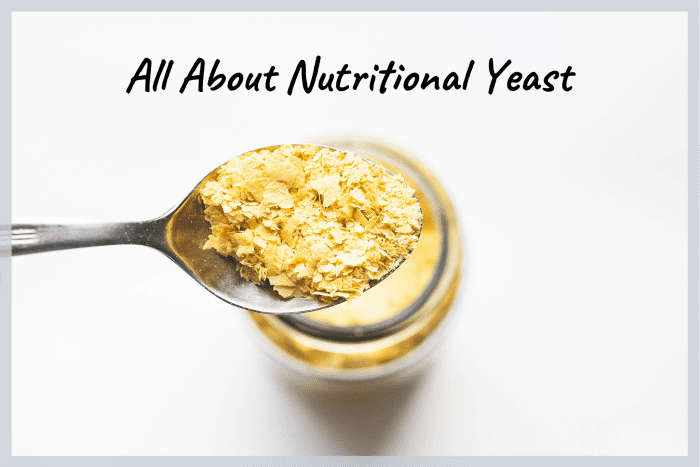
Nutritional yeast, often referred to as “nooch,” is a deactivated form of Saccharomyces cerevisiae yeast. It is commonly sold as flakes or powder and has a distinctive savory flavor that adds depth to various dishes. While it may resemble baking yeast, nutritional yeast undergoes a different production process.
To produce nutritional yeast, S. cerevisiae cells are cultured on sugar-rich mediums like molasses or sugarcane juice. The cells are then harvested, heated to deactivate them, washed, dried, and crumbled into flakes or ground into powder form.
Nutritional Profile of Nutritional Yeast:
One of the primary reasons why nutritional yeast has gained popularity as a superfood is its impressive nutrient content. Let’s take a look at some key nutrients found in this powerhouse ingredient:
1. Protein:
A 2-tablespoon serving of nutritional yeast provides around 9 grams of complete protein – meaning it contains all nine essential amino acids our bodies cannot produce on their own. This makes it an excellent protein source for vegans and vegetarians looking to meet their daily requirements.
2. B vitamins:
Nutritional yeast is an exceptional source of B vitamins such as thiamine (B1), riboflavin (B2), niacin (B3), pantothenic acid (B5), pyridoxine (B6), folate (B9), and cobalamin (B12). These vitamins play a crucial role in brain health, supporting functions like energy metabolism, neurotransmitter production, and DNA synthesis.
3. Minerals:
Nutritional yeast is rich in essential minerals like zinc, selenium, manganese, and molybdenum. These minerals contribute to various aspects of brain function such as memory formation, antioxidant defense mechanisms, and enzyme activity.
4. Fiber:
Fiber is an often-overlooked nutrient that plays a vital role in maintaining a healthy gut-brain connection. Nutritional yeast contains approximately 5 grams of dietary fiber per serving, which aids digestion and supports the growth of beneficial gut bacteria.
Brain-Boosting Benefits:
1. Enhances Cognitive Function:
The B vitamins found abundantly in nutritional yeast are known for their cognitive benefits. Thiamine (B1) helps convert glucose into energy for the brain cells while riboflavin (B2) contributes to proper cellular respiration – the process by which cells produce energy.
Niacin (B3), on the other hand, promotes blood flow to the brain by dilating blood vessels and has been associated with improved cognition and memory recall. Pyridoxine (B6) aids in neurotransmitter synthesis – chemicals that transmit signals between nerve cells – leading to optimal cognitive function.
2. Supports Mood Regulation:
Nutritional yeast’s high vitamin B content also makes it valuable for mood regulation. Folate (B9), cobalamin (B12), and pyridoxine (B6) all play important roles in synthesizing neurotransmitters like serotonin and dopamine that influence mood and emotional well-being.
Studies have shown a correlation between deficiencies in these B vitamins and an increased risk of depression or other mood disorders. By incorporating nutritional yeast into your diet regularly, you can help support stable moods and overall emotional balance.
3. Protects against Neurodegenerative Diseases:
As we age, neurodegenerative diseases such as Alzheimer’s and Parkinson’s become more prevalent. Nutritional yeast’s unique nutritional composition may offer protective benefits against these conditions.
For instance, thiamine (B1) deficiency has been linked to cognitive decline and an increased risk of developing Alzheimer’s disease. By consuming nutritional yeast regularly, individuals can ensure they are meeting their B vitamin needs, potentially reducing the risk of neurodegenerative diseases.
4. Boosts Energy Levels:
The B vitamins found in nutritional yeast are essential for converting food into energy. Thiamine (B1), riboflavin (B2), niacin (B3), pantothenic acid (B5), and pyridoxine (B6) all contribute to the body’s energy production processes.
By adding nutritional yeast to your meals, you can provide your brain with the necessary fuel it needs for optimal function throughout the day. This steady supply of energy also helps combat mental fatigue, allowing you to stay focused and productive.
Incorporating Nutritional Yeast into Your Diet:
Now that we’ve explored the potential brain-boosting benefits of nutritional yeast let’s discuss how you can incorporate it into your daily diet:
1. Sprinkle on Popcorn or Roasted Vegetables:
Nutritional yeast adds a cheesy flavor to popcorn or roasted vegetables without the need for unhealthy toppings like butter or cheese. Simply sprinkle some flakes or powder over freshly popped popcorn or toss it with roasted veggies before serving for a delicious and nutritious snack.
2. Blend into Sauces and Dressings:
Nutritional yeast can be blended into sauces, dressings, or dips to add depth and creaminess while boosting their nutrient content. Try adding it to homemade vegan cheese sauces, salad dressings, or even guacamole for an extra kick of flavor.
3. Use as a Vegan Parmesan Substitute:
If you follow a plant-based diet but miss the savory taste of Parmesan cheese, nutritional yeast can be a game-changer. Combine it with some nuts or seeds, salt, and garlic powder in a food processor to create a vegan Parmesan alternative that can be sprinkled over pasta, salads, or roasted vegetables.
4. Mix into Smoothies:
For those looking for an easy way to incorporate nutritional yeast into their diet, adding it to smoothies is a great option. Its flavor blends well with fruits like banana or berries and adds an extra nutrient boost to your morning routine.
Conclusion:
Nutritional yeast has emerged as a versatile superfood with numerous potential benefits for brain health. Packed with protein, B vitamins, minerals, and fiber, it offers an array of nutrients crucial for cognitive function.
By incorporating nutritional yeast into your diet through various creative ways such as sprinkling on popcorn or blending into sauces and dressings, you can harness its brain-boosting power while enjoying its savory flavor profile.
While nutritional yeast alone cannot guarantee optimal brain health, when combined with a balanced diet rich in other nutrient-dense foods and regular exercise – it becomes another valuable tool in supporting lifelong cognitive wellness. So why not give this underrated ingredient a try? Your taste buds and brain will thank you!

Leave a Reply