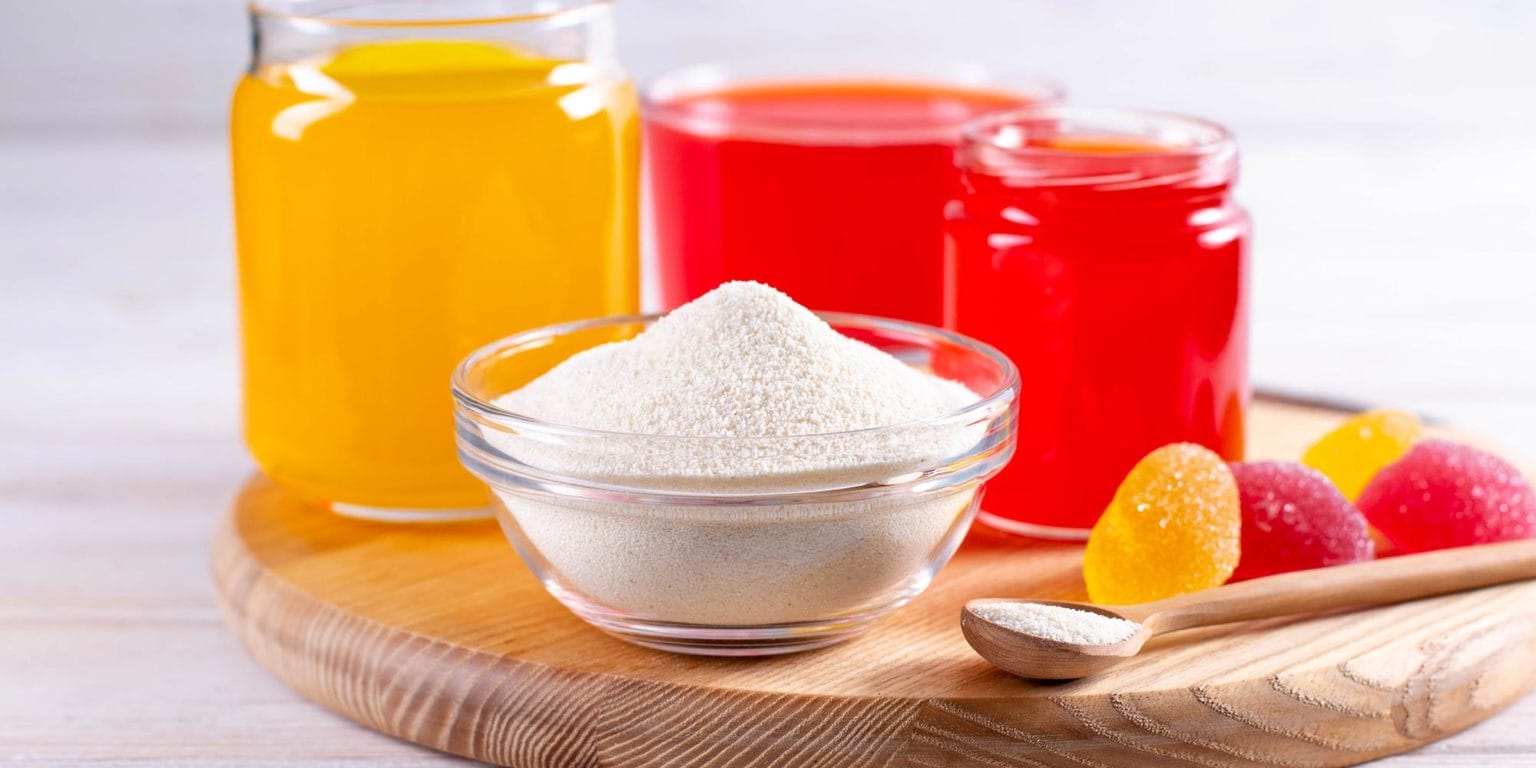
Pectin: The Unsung Hero of Healthy Eating
When it comes to healthy eating, there are many buzzwords and trendy ingredients that tend to steal the spotlight. However, amidst all the hype, one often overlooked but incredibly important component stands tall – pectin. Found naturally in fruits and vegetables, pectin is a soluble fiber with remarkable health benefits. In this article, we will explore what pectin is, its role in promoting overall wellness, and how you can incorporate it into your diet.
What is Pectin?
Pectin is a polysaccharide, which means it is composed of long chains of sugar molecules. It acts as a natural thickening agent and can be found in high concentrations in certain fruits like apples, citrus fruits (oranges and lemons), berries (strawberries and raspberries), and some vegetables such as carrots. Although commercially available pectin is widespread for culinary purposes like making jams or jellies thicker, the focus here will be on the health benefits derived from consuming whole foods containing naturally occurring pectin.
Promotes Digestive Health
One of the primary reasons why pectin should be celebrated for its contribution to healthy eating lies in its ability to promote digestive health. As a soluble fiber that forms a gel-like substance when mixed with water, pectin helps regulate bowel movements by adding bulk to stool while also softening it. This dual action aids those struggling with constipation by making elimination easier.
Furthermore, this viscous property slows down digestion by delaying stomach emptying time. Consequently, it contributes to feelings of fullness after meals which can prevent overeating or unnecessary snacking throughout the day.
Lowers Cholesterol Levels
Another impressive benefit of incorporating pectin into your diet stems from its potential for lowering cholesterol levels. Pectins have been shown to bind with cholesterol-rich bile acids in the intestines during digestion, preventing their reabsorption into the bloodstream. As a result, this mechanism promotes the excretion of cholesterol from the body, ultimately leading to a reduction in LDL (low-density lipoprotein) or “bad” cholesterol levels.
In addition to reducing LDL cholesterol, pectin has also been found to increase HDL (high-density lipoprotein) or “good” cholesterol levels. This combination of effects helps maintain a healthy lipid profile and reduces the risk of cardiovascular diseases.
Regulates Blood Sugar Levels
For those concerned about blood sugar control and diabetes management, pectin offers yet another compelling reason to be included in your diet. Its soluble fiber nature slows down the absorption of sugars from carbohydrates consumed, preventing rapid spikes in blood glucose levels after meals.
Moreover, studies have indicated that pectin-rich foods may improve insulin sensitivity by enhancing insulin’s ability to transport glucose into cells efficiently. By doing so, it contributes to more stable blood sugar levels throughout the day and can help prevent long-term complications associated with diabetes.
Boosts Gut Health
The gut microbiome plays an essential role in maintaining overall health and well-being. Research suggests that consuming foods high in pectin can positively impact gut health by acting as a prebiotic – nourishing beneficial bacteria residing within our gastrointestinal tract.
Preliminary studies indicate that pectin fermentation leads to increased production of short-chain fatty acids (SCFAs), which provide nourishment for colon cells and support their optimal functioning. Moreover, SCFAs contribute to a favorable intestinal environment by discouraging harmful bacteria growth while promoting a diverse microbial community linked with improved immune function.
Including Pectin in Your Diet
Now that we understand the remarkable benefits offered by pectin let’s explore how you can incorporate it into your daily routine:
1. Enjoy whole fruits: Opt for fresh apples, oranges or berries as part of your snacks or breakfast routine.
2. Add it to your smoothies: Blend in a peeled apple or some berries to add a fiber and nutrient boost.
3. Make homemade jams: Experiment with creating delicious, low-sugar spreads by cooking down fruits rich in pectin like apples or berries.
4. Use pectin-rich vegetables: Include carrots or citrus fruits in your salads or vegetable stir-fries.
Remember, consuming whole foods naturally containing pectin provides the added benefits of other essential nutrients and antioxidants found within these fruits and vegetables.
In conclusion, while trendy ingredients come and go, it is crucial not to overlook the unsung hero that is pectin. With its vast array of health benefits including improved digestive health, lowered cholesterol levels, regulated blood sugar levels, and boosted gut health – ensuring you include pectin-rich foods in your diet can have a significant impact on your overall well-being. So why not embrace this natural wonder today?

Leave a Reply