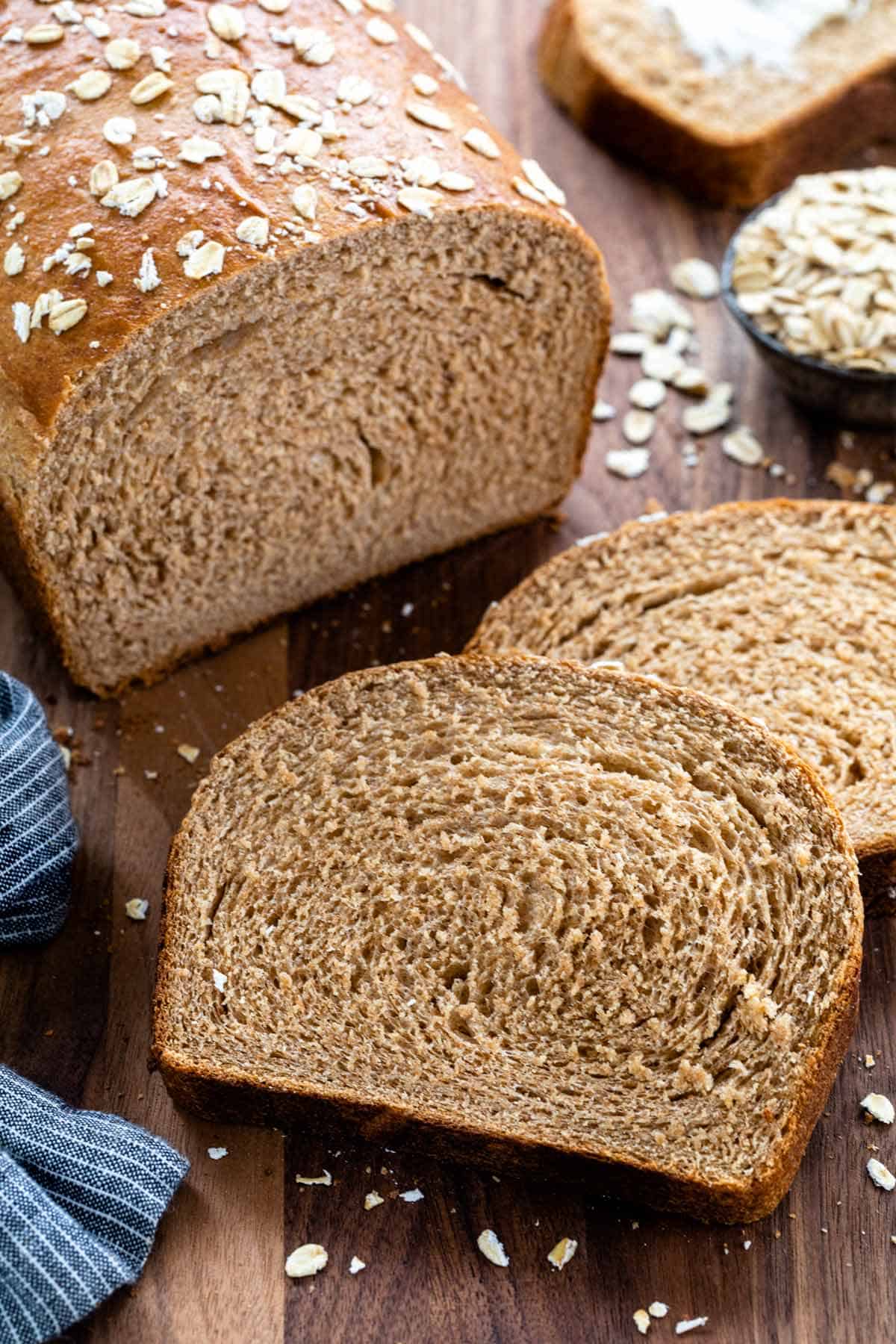
Whole grain breads are a staple in many healthy eating plans and for good reason. These types of breads are made from whole grains, which means they contain all parts of the grain, including the bran, germ, and endosperm. This results in a higher fiber content and more nutrients compared to refined white bread.
Quinoa is another nutritious grain that has gained popularity in recent years. It is actually a seed but often categorized as a whole grain due to its similar nutritional profile. Quinoa is rich in protein, fiber, vitamins, and minerals. It also contains all essential amino acids, making it a complete protein source.
Brown rice is another excellent choice when it comes to whole grains. Like quinoa, brown rice retains its bran and germ layers during processing, providing more fiber and nutrients compared to white rice. It is also lower on the glycemic index scale than white rice, meaning it won’t cause spikes in blood sugar levels.
Barley is an ancient grain that offers numerous health benefits. It’s high in fiber and contains important minerals such as selenium and manganese. Barley can help regulate blood sugar levels and improve digestion due to its soluble fiber content.
Oats are well-known for their heart-healthy properties. They contain beta-glucan fiber which helps reduce cholesterol levels and promotes satiety. Oats are also packed with antioxidants called Avenanthramides that have anti-inflammatory effects.
Buckwheat may sound like wheat but it’s actually gluten-free! Despite this confusion, buckwheat is highly nutritious with high amounts of protein, dietary fiber, magnesium, iron, zinc,and B-vitamins.
Amaranth is an ancient grain rich in protein (containing all essential amino acids), dietary fiber,and calcium.It can be used as porridge or added into baked goods,making it versatile addition to any diet plan.Farro has a nutty flavorand chewy texture,making it a great addition to salads, soups, or as a side dish. It’s packed with fiber, protein,and B-vitamins.
Millet is an often overlooked grain but it shouldn’t be! It’s gluten-free and rich in nutrients such as magnesium, iron,and B-vitamins.It can be cooked like rice or ground into flour for baking purposes.
Spelt is an ancient wheat variety that contains more protein and fiber compared to modern wheat.It has a slightly nutty flavorand can be used in breads,pastas,cereals,and more.
Teff is a tiny grain native to Ethiopia but gaining popularity worldwide. It’s rich in iron, calcium,and resistant starch-which acts as prebiotic for gut health.Teff flour can be used in baking while teff grains are great for porridge or added into stews and soups.
Sorghum is another gluten-free grain that offers numerous health benefits.It’s high in antioxidants,fiber ,and protein.Sorghum flour can be used in baking or the whole grains can be popped like popcorn!
Rye breads are denser than traditional wheat breads,but they offer unique flavors and textures.Rye is also lower on glycemic index scale,making it suitable choice for those watching their blood sugar levels.
Bulgur wheat is made from cracked whole wheat berries which have been parboiled and dried.It’s quick-cooking,nutritious,and versatile.This grain adds texture and nutty flavor to salads,soups,stuffed vegetables,or pilafs.
Lentils are legumes packed with protein,dietary fiber,vitamins (such as folate)and minerals.They come in various colors including green,brown,yellow ,red that each have different cooking times.Green lentils hold their shape well when cooked while red lentils turn mushy making them perfect choice for soups or purees.
Chickpeas, also known as garbanzo beans, are a great source of plant-based protein and fiber. They can be used in a variety of dishes such as hummus, curries, or salads.
Black beans are rich in fiber and protein while being low in fat. They can be included in Mexican-inspired dishes like burritos or added to soups and stews for an extra nutritional boost.
Kidney beans are another nutritious legume packed with fiber and antioxidants. These beans are commonly used in chili recipes or can be mashed to create vegetarian-friendly burger patties.
Navy beans are small white beans that offer high amounts of dietary fiber and folate. They work well in casseroles, soups, or bean salads.
Pinto beans have a creamy texture and mild flavor. They’re often used in Mexican cuisine such as refried beans or added to rice dishes for extra protein and fiber.
Split peas are derived from mature peas that have been dried and split into two halves. They’re excellent sources of fiber, complex carbohydrates,and minerals like iron.They’re commonly used to make hearty soups like split pea soup .
Green peas may seem common but they shouldn’t be overlooked.They’re rich sources of vitamin C,vitamin K ,and dietary fiber which support immune function,bone health,and digestion.Peas can be enjoyed steamed,stir-fried,in salads ,or blended into dips like guacamole.
Sweet potatoes provide numerous health benefits including being high in vitamins A,C,E,potassium,and dietary fiber.They also have lower glycemic index compared to regular potatoes,making them suitable choice for those watching their blood sugar levels.Sweet potatoes can be baked,roasted,mashed ,or made into fries!
Butternut squash is full of nutrients including beta-carotene,vitamins A,C,E,B-vitamins,fiber,and potassium.Its sweet taste makes it versatile ingredient that can be roasted,soupified(turned into soup),or used in pasta dishes.
Pumpkin is often associated with fall but it’s a nutritious ingredient that can be enjoyed year-round.Packed with vitamin A and fiber,pumpkin can be roasted,blended into soups or stews,baked into desserts,or made into smoothies.
Corn on the cob is a staple at summer barbecues but it offers more than just flavor.It’s high in antioxidants,vitamin C,and dietary fiber.Corn can be boiled,grilled ,or added to salads,soups ,and tacos for an extra crunch!
Plantains are a versatile fruit that can be enjoyed ripe or unripe. They’re an excellent source of vitamins A and C, potassium, and dietary fiber. Plantains can be fried, baked, or boiled depending on your preference.
Quorn products are meat substitutes made from a type of fungi called mycoprotein. They offer a good source of protein while being low in fat and cholesterol-free. Quorn products come in various forms such as burgers, nuggets, or sausages.
Wild rice is actually not rice at all but rather the seed of aquatic grasses.Native to North America,wild rice has nutty flavor and chewy texture.It’s rich in protein,fiber,zinc,magnesium,and B-vitamins.Wild rice works well as base for grain bowls,stuffed vegetables,salads ,or side dish.
Multigrain pasta combines different types of grains to create a hearty and nutrient-rich pasta option. It typically includes whole wheat flour along with other grains like quinoa or brown rice. This type of pasta provides more fiber and nutrients compared to traditional refined wheat pasta options.
In conclusion, these 30 foods provide a wide range of options for those looking to incorporate healthy ingredients into their diet. From whole grains like quinoa and barley to legumes like chickpeas and lentils, there are plenty of choices to suit every taste and dietary need. Whether you’re looking for more fiber, protein, or essential nutrients, these foods have got you covered. So don’t hesitate to try out some new recipes and enjoy the benefits of a well-rounded and nutritious diet!

Leave a Reply