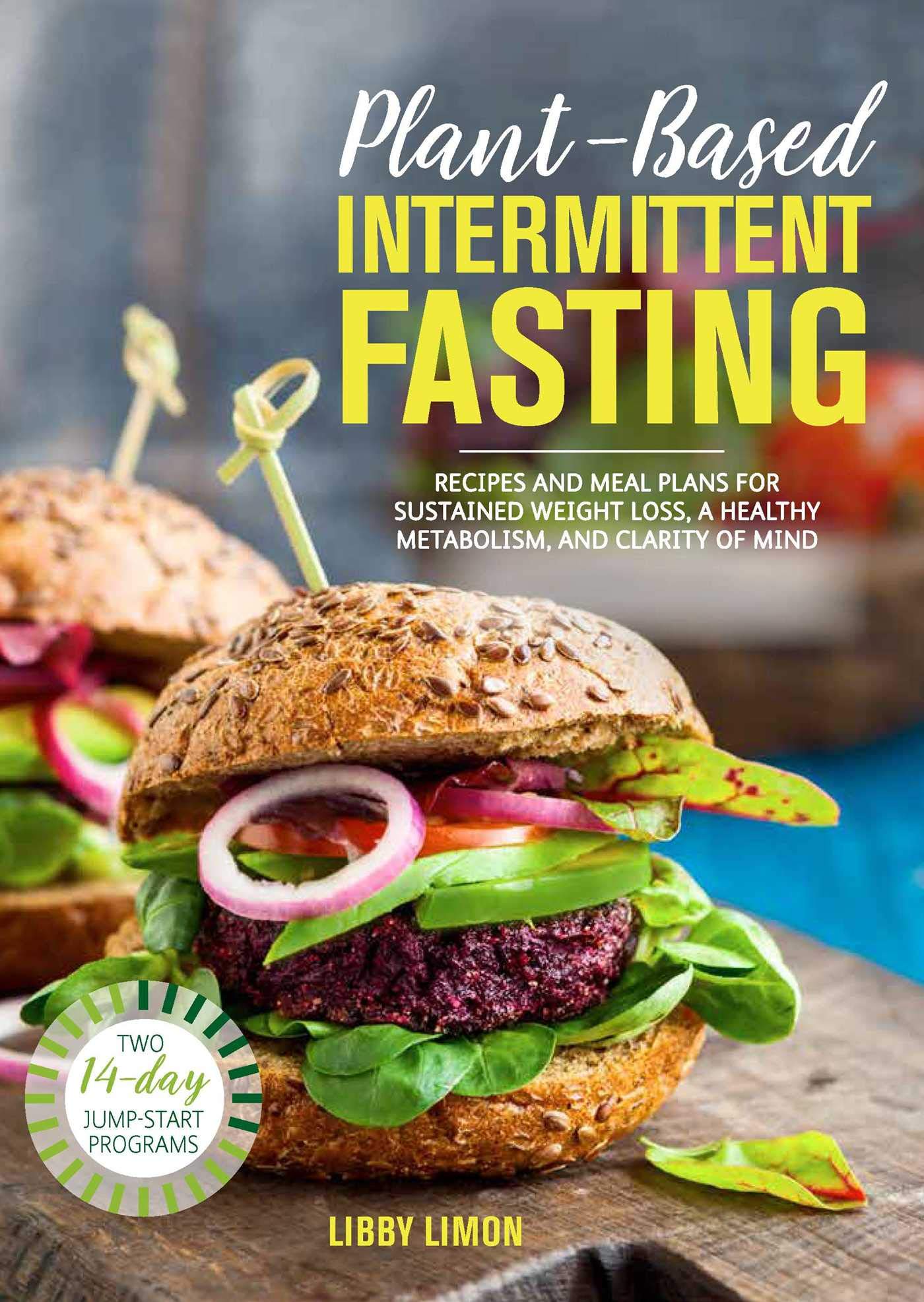
Intermittent fasting has gained significant popularity in recent years as a method for weight loss and improving overall health. However, amidst its rising fame, several myths have emerged surrounding this eating pattern. In this article, we will debunk some common misconceptions about intermittent fasting and shed light on the truth behind them.
Myth 1: Intermittent fasting slows down metabolism
One of the most prevalent myths about intermittent fasting is that it slows down metabolism. However, research suggests otherwise. Short-term fasting can actually increase metabolic rate by up to 14%, leading to enhanced fat burning. Additionally, intermittent fasting helps preserve muscle mass during weight loss, further supporting a healthy metabolism.
Myth 2: Breakfast is the most important meal of the day
We’ve all heard the saying “breakfast is the most important meal of the day.” While breakfast does provide an opportunity to jumpstart your metabolism and fuel your body for the day ahead, there’s no scientific evidence proving that skipping breakfast leads to negative health effects or hampers weight loss progress. In fact, many people find that skipping breakfast as part of their intermittent fasting routine simplifies their daily routine and reduces unnecessary calorie intake.
Myth 3: Intermittent fasting leads to muscle loss
Another misconception surrounding intermittent fasting is that it causes muscle wasting. On the contrary, studies have shown that when combined with resistance training exercises, intermittent fasting can help maintain or even increase lean muscle mass while promoting fat loss. It’s crucial to consume adequate protein during feeding windows and engage in regular strength training exercises to support muscle growth and maintenance.
Myth 4: You can eat whatever you want during feeding windows
While flexibility is one of the key advantages of intermittent fasting compared to traditional diets, it doesn’t mean you should use your eating windows as an excuse for unrestrained indulgence in unhealthy foods. A balanced diet consisting of whole foods such as fruits, vegetables, lean proteins, and healthy fats is still crucial for overall health. Opting for nutrient-dense foods during your feeding windows will provide essential vitamins, minerals, and other beneficial compounds necessary for optimal well-being.
Myth 5: Intermittent fasting is not suitable for women
Some people argue that intermittent fasting may have negative effects on hormone balance in women. However, research has shown that when implemented correctly, intermittent fasting can be just as effective for women as it is for men. Some studies even suggest that intermittent fasting may improve insulin sensitivity and hormonal balance in females with polycystic ovary syndrome (PCOS). As always, consulting with a healthcare professional before starting any new dietary regimen is recommended.
Myth 6: Intermittent fasting causes low energy levels
Contrary to popular belief, many individuals who practice intermittent fasting report increased mental clarity and improved energy levels during their fasted state. This could be attributed to the body’s adaptation to using stored body fat as an energy source instead of relying solely on glucose from food. It’s important to stay hydrated and consume adequate calories and nutrients during feeding windows to ensure sustained energy throughout the day.
Myth 7: Intermittent fasting is only about weight loss
While one of the main reasons people adopt intermittent fasting is for weight management or weight loss purposes, there are numerous other health benefits associated with this eating pattern. Studies suggest that intermittent fasting can improve blood sugar control, reduce inflammation markers, enhance brain function, support heart health by reducing LDL cholesterol levels and triglycerides while increasing HDL cholesterol levels.
In conclusion, debunking these common myths surrounding intermittent fasting helps us better understand its true potential and benefits. When practiced correctly under guidance from healthcare professionals or nutritionists if necessary, intermittent fasting can be a safe and effective tool in achieving weight loss goals while improving overall health markers such as metabolic rate regulation and insulin sensitivity. As with any dietary change, it’s important to listen to your body and make adjustments accordingly.

Leave a Reply