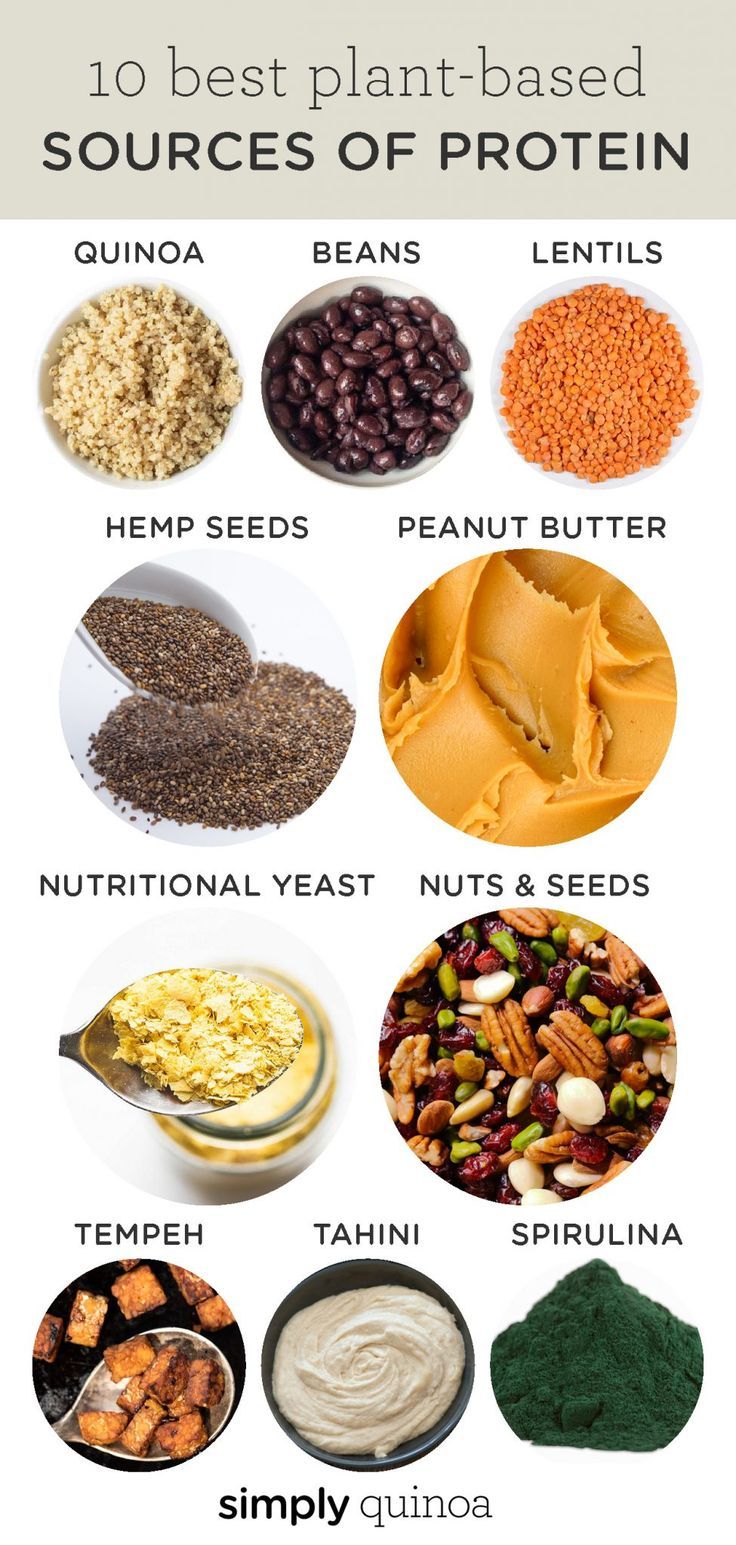
Panel Discussion: Cooking Techniques to Maximize the Nutritional Value of Plant-Based Proteins
Moderator: Welcome, everyone, to today’s panel discussion on maximizing the nutritional value of plant-based proteins through cooking techniques. Our esteemed panelists include renowned chefs and nutrition experts who will share their insights and tips. Let’s dive right in!
Panelist 1 (Chef): Thank you for having me! One effective technique is soaking legumes like lentils, chickpeas, and beans before cooking. This reduces their phytic acid content, making them easier to digest and increasing nutrient absorption.
Panelist 2 (Nutritionist): Absolutely! Another technique is sprouting seeds such as quinoa or mung beans. Sprouting enhances their nutritional profile by increasing protein content and breaking down anti-nutrients like phytic acid.
Panelist 3 (Chef): I’d also recommend incorporating fermentation into your cooking routine. Fermented foods like tempeh or miso not only add a delightful umami flavor but also increase the bioavailability of nutrients while promoting gut health.
Panelist 4 (Nutritionist): That’s a great point! Additionally, incorporating healthy fats during cooking can enhance nutrient absorption. For example, sautéing vegetables with a drizzle of olive oil helps unlock fat-soluble vitamins present in these plants.
Panelist 1 (Chef): And speaking of vegetables, lightly steaming them rather than boiling helps preserve heat-sensitive vitamins like vitamin C. Steaming retains more nutrients while maintaining the vibrant colors and textures that make plant-based dishes so appealing.
Panelist 2 (Nutritionist): I couldn’t agree more! It’s essential to be mindful of cook times too. Overcooking can lead to nutrient loss in plant-based proteins. Opt for shorter cook times or consider raw preparations when appropriate.
Moderator: These tips are incredibly valuable for our readers looking to maximize the nutritional value of plant-based proteins. Are there any final thoughts or recommendations from our panelists?
Panelist 3 (Chef): Don’t be afraid to experiment with spices and herbs! They not only add flavor but also provide additional health benefits. Turmeric, for instance, has anti-inflammatory properties that complement a plant-based diet.
Panelist 4 (Nutritionist): And remember to pair your plant-based proteins with diverse whole foods like whole grains and vegetables. This ensures a balanced intake of essential nutrients while enhancing satiety and overall dietary quality.
Moderator: Thank you all for sharing these invaluable insights on cooking techniques to boost the nutritional value of plant-based proteins. Our readers will certainly benefit from this discussion and be inspired to create delicious, nutrient-dense meals.

Leave a Reply