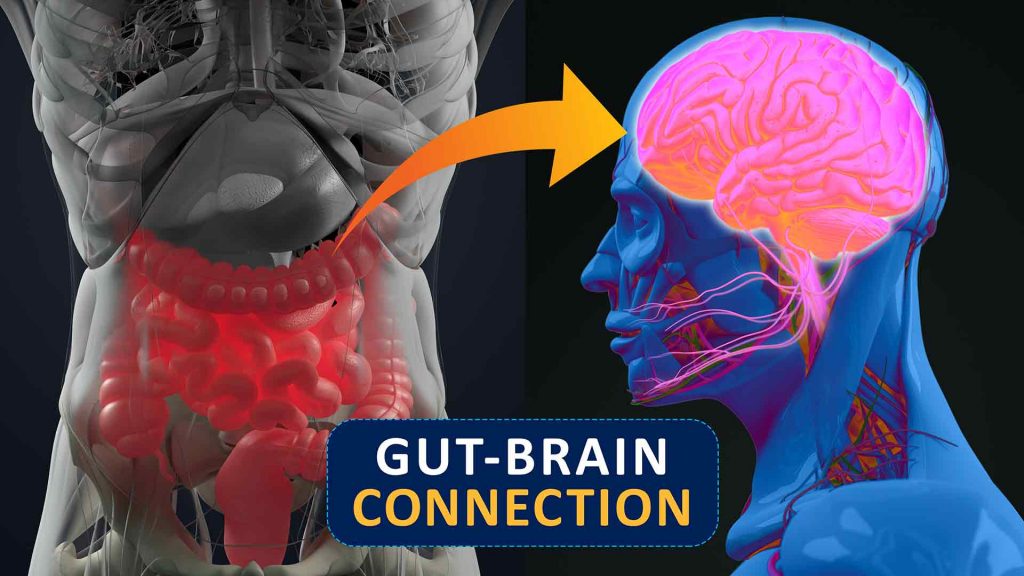
The Gut-Brain Connection: How Your Diet Affects Your Mental Health
We often hear the phrase “you are what you eat,” but did you know that what you eat can also influence how you think and feel? The connection between our gut and brain is a fascinating area of research, shedding light on the importance of a healthy diet for mental well-being.
The gut-brain connection refers to the bidirectional communication pathway between our gastrointestinal tract (the gut) and our brain. This communication occurs through various channels, including neural, hormonal, and immune pathways. The key player in this relationship is the gut microbiota – trillions of microorganisms residing in our intestines.
Our diet plays a crucial role in shaping the composition and diversity of these gut bacteria. Studies have shown that a high-fiber diet rich in fruits, vegetables, whole grains, and legumes promotes a diverse microbiota associated with improved mental health outcomes. On the other hand, diets high in processed foods and added sugars can negatively impact this delicate balance.
Research has linked an imbalance in gut bacteria to conditions such as depression, anxiety disorders, ADHD, autism spectrum disorder, and even neurodegenerative diseases like Alzheimer’s. Scientists believe that these imbalances can lead to chronic inflammation in both the gut and brain – a common factor underlying many mental health issues.
Fortunately, there are steps we can take to support our gut-brain axis. One approach is incorporating probiotics into our diet through fermented foods like yogurt or kefir. Probiotics introduce beneficial bacteria into our system while helping maintain microbial diversity.
Additionally, consuming prebiotic-rich foods nourishes existing beneficial bacteria by providing them with their preferred sources of fuel. Prebiotics are found in foods such as garlic, onions, bananas, oats, and asparagus.
Furthermore, reducing intake of processed foods containing artificial additives or preservatives can help improve overall gut health. These additives may disrupt the delicate balance of gut bacteria, leading to inflammation and negative effects on mental health.
In conclusion, the gut-brain connection highlights the importance of maintaining a healthy diet for both physical and mental well-being. By prioritizing whole foods, fiber-rich options, and incorporating probiotics and prebiotics into our meals, we can support a diverse gut microbiota and potentially improve our mental health. Remember, what you put into your body not only affects your physical health but also has a profound impact on your mind.

Leave a Reply