Sustainable Fishing Practices:
In recent years, there has been a growing concern about the sustainability of our seafood industry. Overfishing and destructive fishing practices have had a detrimental impact on marine ecosystems around the world. However, there is hope for change as more people become aware of the importance of sustainable fishing practices.
Sustainable fishing aims to maintain fish populations at healthy levels while minimizing harm to the environment. Here are some key practices that can help achieve this goal:
1. Regulating Catch Limits: Implementing catch limits ensures that fish populations are not depleted beyond their ability to reproduce and replenish themselves. By setting quotas based on scientific data, we can prevent overfishing and allow fish stocks to recover.
2. Protecting Spawning Grounds: Establishing protected areas where fish can spawn undisturbed helps ensure the survival of future generations. These zones provide a safe haven for breeding and allow fish populations to thrive.
3. Minimizing Bycatch: Bycatch refers to unintentionally caught species that are not targeted by fishermen. It often includes endangered or non-commercial species such as dolphins, turtles, and seabirds. Using selective fishing gear, such as circle hooks or escape panels in nets, can reduce bycatch significantly.
4. Avoiding Destructive Gear: Certain fishing methods like bottom trawling or dynamite fishing cause extensive damage to delicate habitats like coral reefs or seafloor ecosystems. Using more sustainable gear alternatives like longlines or traps minimizes habitat destruction and prevents unnecessary harm to marine life.
5. Supporting Local Fisheries: Buying locally sourced seafood supports small-scale fishermen who employ sustainable practices in their operations. In contrast, large-scale industrial fisheries often prioritize profit over sustainability measures.
Nutritional Benefits of Seaweed:
Seaweed might be an unusual addition to your diet but incorporating it into your meals can offer numerous health benefits due to its rich nutritional profile:
1.Sea vegetables are packed with vitamins and minerals. They are an excellent source of iodine, which is essential for proper thyroid function and metabolism. Additionally, seaweed contains high levels of vitamins A, C, E, and K, as well as calcium, iron, magnesium, and potassium.
2. Seaweed is a great source of antioxidants. Antioxidants help protect our cells from damage caused by free radicals and reduce the risk of chronic diseases such as heart disease or cancer.
3. It is low in calories and fat but high in fiber. Incorporating seaweed into your diet can promote weight management due to its filling properties while providing essential nutrients.
4.Seaweed contains unique compounds like fucoidan that have been linked to potential anti-inflammatory effects on the body.
5.It may support gut health due to its prebiotic properties that promote the growth of beneficial bacteria in the digestive system.
6.Seaweed has been associated with improved blood sugar control due to its ability to slow down carbohydrate digestion and absorption.
Lesser-known Types of Fish to Include in the Diet:
When it comes to incorporating fish into your diet, many people turn to popular options like salmon or tuna. However, there are lesser-known types of fish that offer equally delicious flavors along with their own set of nutritional benefits:
1.Sardines: These small oily fish are rich in omega-3 fatty acids EPA and DHA which are crucial for brain health and reducing inflammation. Sardines also provide calcium, vitamin D, selenium,and protein.
2.Mackerel: Mackerel is another oily fish known for its omega-3 content. It also provides vitamin B12 which supports nerve function and energy production.
3.Barramundi: Barramundi is a sustainable alternative often referred to as “the sustainable sea bass.” It offers a mild flavor along with high levels of lean protein,vitamin D,and omega-3 fatty acids
4.Trout: Rainbow trout is a freshwater fish that is widely available and offers a delicate flavor. It contains omega-3 fatty acids, vitamin B12, selenium, and potassium.
5.Halibut: Halibut is a lean white fish with a mild taste. It provides high-quality protein along with vitamins B6 and B12.
These lesser-known fish options not only diversify your diet but also offer unique nutritional profiles that can complement your overall health and well-being.
Pescatarian-friendly Sources of Omega-3 Fatty Acids:
Omega-3 fatty acids are essential for our health as they play a vital role in brain function, reducing inflammation, and supporting heart health. While many people rely on fish as their primary source of omega-3s, pescatarians can explore other options to meet their dietary needs:
1.Flaxseeds: Flaxseeds are rich in alpha-linolenic acid (ALA), which can be converted into EPA and DHA in the body to some extent. Sprinkling ground flaxseeds on salads or adding them to smoothies can be an easy way to boost your omega-3 intake.
2.Chia seeds: Chia seeds are another plant-based source of ALA that can be easily incorporated into various dishes. They provide fiber and antioxidants along with omega-3 fatty acids.
3.Walnuts: Walnuts are one of the few nuts that contain significant amounts of ALA. Snacking on walnuts or adding them to meals like salads or oatmeal can contribute to your omega-3 intake while providing additional nutrients like protein and healthy fats.
4.Hemp seeds: Hemp seeds contain both ALA and a small amount of SDA (stearidonic acid), which has been shown to convert more efficiently into EPA than ALA alone. Including hemp seeds in smoothies or sprinkling them over yogurt or salads adds nutty flavor and omega-3 goodness.
5.Seaweed: As mentioned earlier, seaweed is not only a fantastic source of various vitamins and minerals but also provides omega-3 fatty acids. Incorporating seaweed into your diet can help boost your omega-3 intake while enjoying the unique flavors it offers.
It’s important to note that while these plant-based sources provide omega-3 fatty acids, they do not offer the same EPA and DHA content found in fish. Therefore, pescatarians may still consider incorporating fish or fish oil supplements into their diet for optimal omega-3 intake.
The Impact of Overfishing on Marine Ecosystems:
Overfishing has significant consequences for marine ecosystems worldwide. The practice involves removing large quantities of fish from the ocean faster than they can reproduce, resulting in depleted populations and disrupting the delicate balance of marine life. Here are some key impacts of overfishing:
1.Depletion of Fish Stocks: Overfishing leads to a decrease in fish populations as more individuals are caught than can be replaced through natural reproduction. This depletion disrupts food chains and threatens the survival of many species.
2.Damage to Marine Habitats: Some fishing methods, such as bottom trawling or dynamite fishing, cause substantial damage to sensitive habitats like coral reefs or seafloor ecosystems. These destructive practices destroy essential breeding grounds for numerous marine organisms.
3.Unintended Consequences on Non-targeted Species: Overfishing often results in high levels of bycatch – unintentionally caught species that are discarded at sea. Bycatch includes endangered animals like turtles, dolphins, seabirds,and sharks which suffer severe population declines due to commercial fishing activities.
4.Impact on Human Communities: Overfishing affects not only marine life but also coastal communities dependent on fishing for their livelihoods. When fish stocks decline significantly, fishermen face economic hardships,and entire communities may suffer job losses and food insecurity.
5.Disruption of Food Chains: Removing large numbers of fish from the ocean can disrupt the delicate balance within ecosystems. Predatory species may struggle to find enough food, leading to population declines or even extinction.
6.Impact on Biodiversity: Overfishing reduces biodiversity by eliminating certain species from marine environments. This loss can have cascading effects throughout the ecosystem, affecting other organisms and altering their habitats.
To combat overfishing’s damaging impact, it is crucial to promote sustainable fishing practices and support initiatives that protect marine ecosystems. By choosing sustainably sourced seafood options and encouraging responsible fishing methods, we can work towards a healthier future for our oceans.
Creative Ways to Incorporate Seafood into Vegetarian Dishes:
For those following a vegetarian diet but still wanting to enjoy the flavors and nutritional benefits of seafood, there are creative ways to incorporate plant-based ingredients that mimic the taste and texture of fish:
1. Jackfruit “Fish” Tacos: Jackfruit has a meaty texture that makes it an excellent substitute for fish in tacos. Marinate jackfruit in a blend of lime juice, smoked paprika,and seaweed powder for a deliciously tangy flavor reminiscent of traditional fish tacos.
2. Chickpea “Tuna” Salad: Mash cooked chickpeas with vegan mayo, diced pickles,and nori flakes (seaweed) for added umami flavor. Season with salt, pepper,and lemon juice before using as a filling in sandwiches or wraps.
3.Cauliflower “Fish” Curry: Roasted cauliflower florets have a firm texture similar to flaky white fish when cooked properly. Simmer them in a flavorful curry sauce made with coconut milk,lime leaves,and spices like turmeric,cumin,and coriander for an aromatic dish bursting with flavors.
4.Zucchini “Crab” Cakes: Grated zucchini mixed with breadcrumbs,mayonnaise,dill,parsley,and Old Bay seasoning can be formed into patties and sautéed until golden brown. These zucchini “crab” cakes offer a similar texture and taste to traditional crab cakes without the seafood.
5.Tofu “Shrimp” Stir-fry: Marinate extra-firm tofu in soy sauce,lemongrass,and ginger before stir-frying with vegetables of your choice. The tofu absorbs the flavors of the marinade while providing a chewy texture reminiscent of shrimp.
By experimenting with various plant-based alternatives and incorporating seafood flavors through spices, seaweed,and other umami-rich ingredients, vegetarians can enjoy a diverse range of dishes that capture the essence of seafood without compromising their dietary choices.
Health Risks Associated with Consuming Certain Types of Fish:
While fish is generally considered a healthy food choice due to its high protein content and omega-3 fatty acids, some types may pose health risks due to potential contamination or high levels of mercury. It’s important to be aware of these risks when making seafood selections:
1.Mercury Contamination: Mercury is a toxic heavy metal that accumulates in fish through their food chain. Larger predatory fish like shark,swordfish,tilefish,and king mackerel tend to have higher mercury levels as they consume smaller fish over time. Pregnant women, nursing mothers,and young children are advised to avoid these high-mercury species or limit consumption due to potential harm on fetal development or neurodevelopmental effects.
2.PCBs and Dioxins: Some farmed salmon species may contain elevated levels of polychlorinated biphenyls (PCBs)and dioxins due to feed composition or exposure in aquaculture systems. PCBs are persistent organic pollutants that can have adverse effects on human health when consumed regularly at high levels.
3.Histamine Poisoning: Certain types of fish like tuna,mackerel,and mahi-mahi can develop high levels of histamine if not stored properly. Histamine poisoning can cause symptoms such as flushing, headaches, and gastrointestinal issues. It is essential to ensure proper handling, storage,and refrigeration of fish to prevent histamine formation.
4.Allergies: Some individuals may be allergic to specific types of fish or shellfish. Allergic reactions can range from mild symptoms like hives or itching to severe anaphylactic reactions that require immediate medical attention. If you have known allergies, it’s important to avoid consuming any fish or seafood that triggers a reaction.
To minimize health risks associated with consuming fish, it is recommended to choose a variety of species,diversify your diet,and follow local advisories regarding mercury content in certain types of fish. Additionally, proper storage and cooking techniques can help reduce the risk of foodborne illnesses and other potential hazards.
Seafood Alternatives for Those with Shellfish Allergies:
Shellfish allergies are common and can cause severe allergic reactions in susceptible individuals. However, there are alternative seafood options available for those who cannot consume shellfish:
1.Fish: Most people with shellfish allergies can safely consume finned fish like salmon,tuna,trout,cod,haddock,and tilapia as they belong to a different group of allergens than crustaceans (shrimp, crab, lobster)and mollusks (clams,oysters,mussels).
2.Squid: Squid belongs to the cephalopod family rather than the shellfish category; therefore,it is generally safe for those with shellfish allergies unless specifically allergic to squid itself.
3.Seaweed-based Products: Seaweed provides an umami flavor similar to some shellfish varieties but does not pose a risk for those with shellfish allergies. Seaweed snacks,salads,nori sheets used in sushi rolls,and seaweed extracts are excellent alternatives that offer unique textures and flavors without triggering allergic reactions.
4.Vegetarian Seafood Alternatives: Several companies produce plant-based seafood substitutes like vegan shrimp, mock crab cakes,mock lobster,and fishless fillets. These products are typically made from ingredients like soy protein,wheat gluten,or konjac (a starchy root vegetable) and can provide a similar taste and texture to shellfish without the allergenic proteins.
5.White Meat Poultry or Tofu: For those looking to replicate the texture of shellfish in certain dishes, options like chicken breast or tofu may offer suitable alternatives. While they may not taste identical, they can still be incorporated into recipes where shellfish is traditionally used.
It’s important for individuals with shellfish allergies to read labels carefully when purchasing packaged foods as some products might contain hidden sources of shellfish-derived ingredients. Consulting with healthcare professionals or registered dietitians specializing in food allergies can help determine safe seafood alternatives based on individual needs.
The Importance of Mercury Levels in Seafood Consumption:
Mercury is a naturally occurring heavy metal that can have harmful effects on human health when consumed at high levels. It enters our environment through various industrial processes and accumulates in water bodies, ultimately finding its way into aquatic organisms like fish. Here’s why monitoring mercury levels in seafood consumption is crucial:
1.Mercury Toxicity: High levels of mercury exposure over time can cause neurological damage and impair brain development in fetuses and young children. Symptoms of mercury toxicity include impaired cognitive function,memory loss,tremors,and muscle weakness.
2.Pregnancy Risks: Pregnant women are particularly vulnerable to the adverse effects of mercury due to its ability to cross the placental barrier. High prenatal exposure has been linked to developmental delays,cognitive impairments,and learning disabilities in children.
3.Populations at Higher Risk: Certain populations such as pregnant women,nursing mothers,and young children are more susceptible to mercury’s toxic effects due to their developing nervous systems or potential vulnerability to the metal’s effects on fetal development.
4.Fish Consumption Guidelines: Many health organizations, including the U.S. Food and Drug Administration (FDA)and the Environmental Protection Agency (EPA), provide guidelines regarding safe levels of fish consumption based on mercury content. These guidelines help individuals make informed choices about the types and amounts of fish they consume.
5.Variety and Frequency: The key to minimizing mercury exposure while still enjoying the nutritional benefits of seafood is to choose a variety of low-mercury fish options and limit consumption of high-mercury species. By diversifying your seafood choices, you can maintain a healthy diet while reducing potential risks associated with mercury exposure.
6.Sustainable Fishing Practices: Supporting sustainable fishing practices not only helps protect marine ecosystems but also contributes to lower mercury levels in seafood. Sustainable fisheries often prioritize smaller fish species that have lower concentrations of mercury due to their shorter lifespans or diets consisting mainly of plankton rather than other contaminated fish.
It’s essential for individuals to remain informed about local advisories regarding specific species’ mercury content when making seafood choices, especially for those who are pregnant, nursing,or feeding young children. Following recommended guidelines can help ensure the safety and well-being of individuals at higher risk from elevated levels of mercury in certain types of fish.
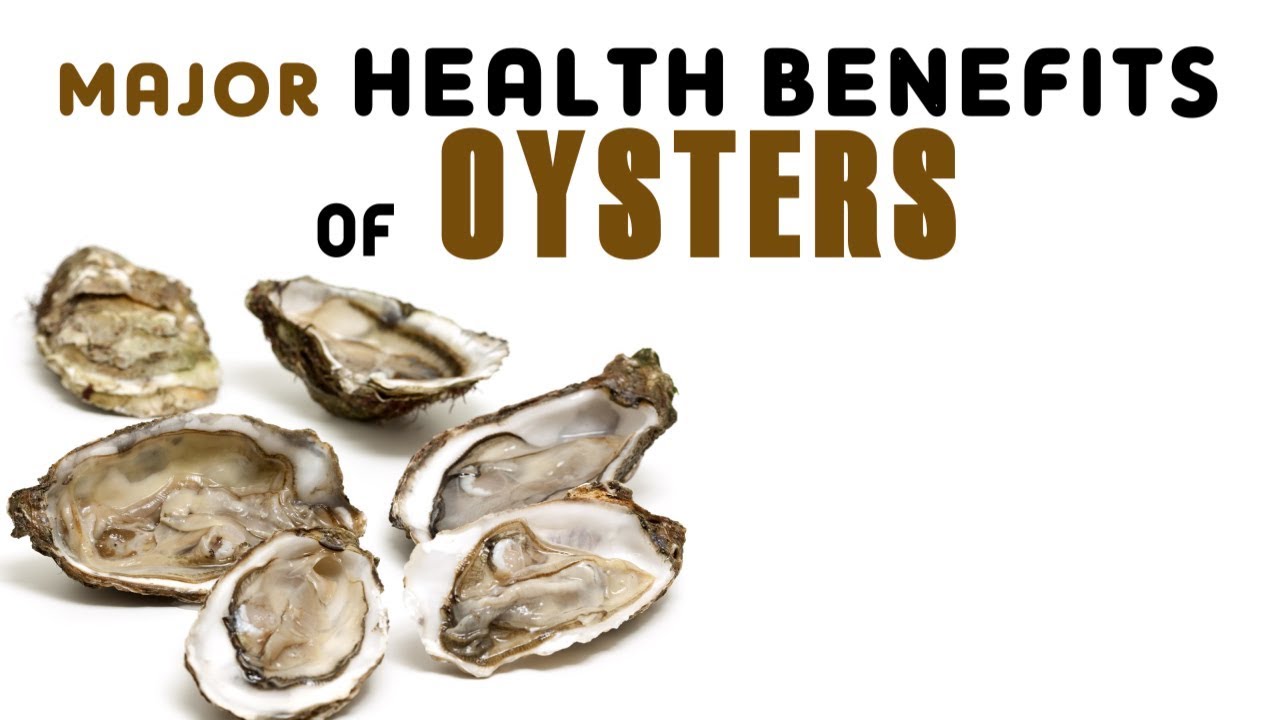
Lesser-Known Health Benefits of Eating Oysters:
Oysters are often regarded as a culinary delicacy,but they offer more than just an exquisite taste. These bivalves come packed with various nutrients and unique health benefits:
1.High Nutrient Density: Oysters are rich in vitamins B12,C,D,and E; minerals like zinc,selenium,copper,and iron; omega-3 fatty acids; protein;and antioxidants. This nutrient-dense profile makes them an excellent addition to a balanced diet.
2.Zinc-Rich Superfood: Oysters contain one of the highest natural concentrations of dietary zinc – an essential mineral involved in immune function,wound healing,hormone regulation,and DNA synthesis. Adequate zinc intake is crucial for overall health and well-being.
3.Heart Health: Oysters are a good source of omega-3 fatty acids, which help reduce inflammation and support cardiovascular health. Additionally, the high levels of antioxidants like vitamin C and E found in oysters can protect against oxidative stress associated with heart disease.
4.Iron Boost: Oysters provide significant amounts of iron, a mineral essential for red blood cell formation and oxygen transport throughout the body. Iron deficiency can lead to fatigue and impaired cognitive function,making oysters an excellent choice for those at risk of low iron levels.
5.Mood Enhancement: Oysters contain high levels of vitamin B12,which plays a vital role in maintaining proper brain function and regulating mood. Adequate B12 intake is essential for preventing neurological disorders like depression or anxiety.
6.Improved Brain Function: The combination of omega-3 fatty acids,vitamin B12,and other nutrients found in oysters supports healthy brain development,function,and cognition. Regular consumption may help reduce the risk of age-related cognitive decline or neurodegenerative diseases.
7.Skin Health: The antioxidant properties of vitamins C,E,and selenium found in oysters promote skin elasticity,collagen production,and protection against free radicals that can damage skin cells.
8.Aphrodisiac Properties: Oysters have long been associated with aphrodisiac effects due to their high zinc content.Zinc plays a crucial role in reproductive health,hormone regulation,libido enhancement,and fertility support.
9.Gut Health Benefits: Oysters are also considered prebiotic foods as they contain carbohydrates that nourish beneficial gut bacteria.

Leave a Reply