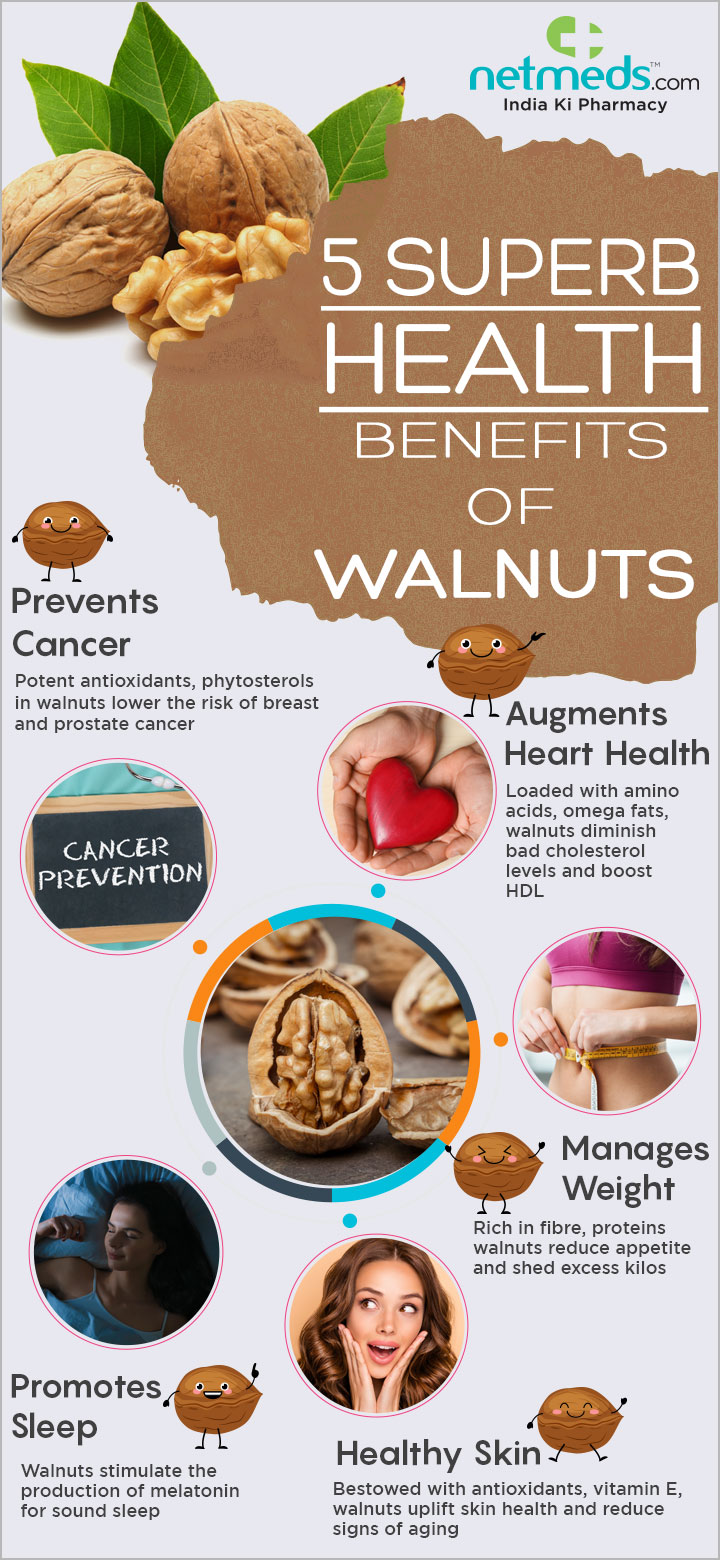
Walnuts: A Nutritional Powerhouse for Health and Well-being
Introduction:
When it comes to healthy eating, walnuts are often regarded as one of the most nutritious nuts. Not only do they have a unique flavor and versatility in culinary applications but also offer a plethora of health benefits. Packed with essential nutrients, walnuts are an excellent addition to any diet. In this article, we will explore the nutritional profile of walnuts, their potential health benefits, and how you can incorporate them into your daily routine.
Nutritional Profile:
Walnuts are considered a superfood due to their rich nutrient composition. Just a handful (28 grams) of walnuts provides approximately 185 calories and contains:
1. Healthy Fats:
Walnuts contain predominantly polyunsaturated fats, particularly alpha-linolenic acid (ALA), an omega-3 fatty acid that is crucial for heart health.
2. Protein:
Walnuts are a good source of plant-based protein, making them an ideal option for vegetarians and vegans.
3. Fiber:
A serving of walnuts offers around 4 grams of dietary fiber, which aids in digestion and promotes feelings of fullness.
4. Vitamins and Minerals:
Walnuts provide essential vitamins such as vitamin E, B vitamins like folate and thiamin, along with minerals like magnesium, phosphorus, copper, and manganese.
Health Benefits:
1. Heart Health Promotion:
The high content of ALA found in walnuts helps reduce LDL (bad) cholesterol levels while increasing HDL (good) cholesterol levels in the body. Consuming walnuts regularly has been associated with lower risk factors for cardiovascular diseases such as hypertension and inflammation.
2. Brain Function Enhancement:
The omega-3 fatty acids present in walnuts contribute to brain health by supporting cognitive function and reducing the risk of neurodegenerative diseases like Alzheimer’s disease or dementia.
3. Reducing Inflammation:
Walnuts possess anti-inflammatory properties due to their high content of polyphenols and other bioactive compounds. Regular consumption may help lower markers of inflammation within the body, potentially reducing the risk of chronic diseases like diabetes, cancer, and arthritis.
4. Weight Management:
Despite being calorie-dense, walnuts can aid in weight management when consumed in moderation. The combination of healthy fats, protein, and fiber present in walnuts helps increase satiety and reduce overeating tendencies.
5. Gut Health Improvement:
The fiber content found in walnuts acts as a prebiotic that supports the growth of beneficial gut bacteria. This promotes a healthy gut microbiome and contributes to better overall digestion and immune function.
Incorporating Walnuts into Your Diet:
1. Snacking:
Enjoying a handful of raw or lightly toasted walnuts makes for a quick and nutritious snack option throughout the day.
2. Salads:
Sprinkle chopped or crushed walnuts on top of your salads to add crunchiness along with extra nutrients.
3. Baking:
Add chopped walnuts to your bread, muffin, or cookie recipes for enhanced flavor and nutritional value.
4. Trail Mixes:
Create your own trail mix by combining walnuts with dried fruits like raisins or cranberries for an energizing snack on-the-go.
5. Smoothies:
Blend some walnuts into your favorite smoothie recipe for added creaminess, texture, and nutrients.
6. Nut Butters:
Make homemade walnut butter by blending roasted walnuts until creamy – a delicious spread alternative packed with nutrition!
Precautions:
While walnuts offer numerous health benefits, it’s essential to keep certain precautions in mind:
1. Allergies: Some individuals may have allergies or sensitivities towards tree nuts including walnuts; therefore, they should avoid consuming them.
2. Portion Control: Due to their high-calorie content, it is crucial to consume walnuts in moderation, especially if you are watching your calorie intake.
3. Oxidation: Walnuts contain healthy fats that can become rancid when exposed to air or heat for extended periods. Store them in a cool, dark place, preferably in an airtight container, to maintain their freshness and prevent oxidation.
Conclusion:
Walnuts serve as a delicious and nutritious addition to any diet. Their rich nutrient profile offers a range of health benefits including heart health promotion, brain function enhancement, inflammation reduction, weight management support, and gut health improvement. By incorporating walnuts into your daily routine through snacking, baking, or using them as toppings in salads or smoothies, you can unlock the potential benefits they offer. Remember to exercise portion control and store them properly for optimal freshness. Embrace the power of walnuts and experience their positive impact on your overall well-being!

Leave a Reply