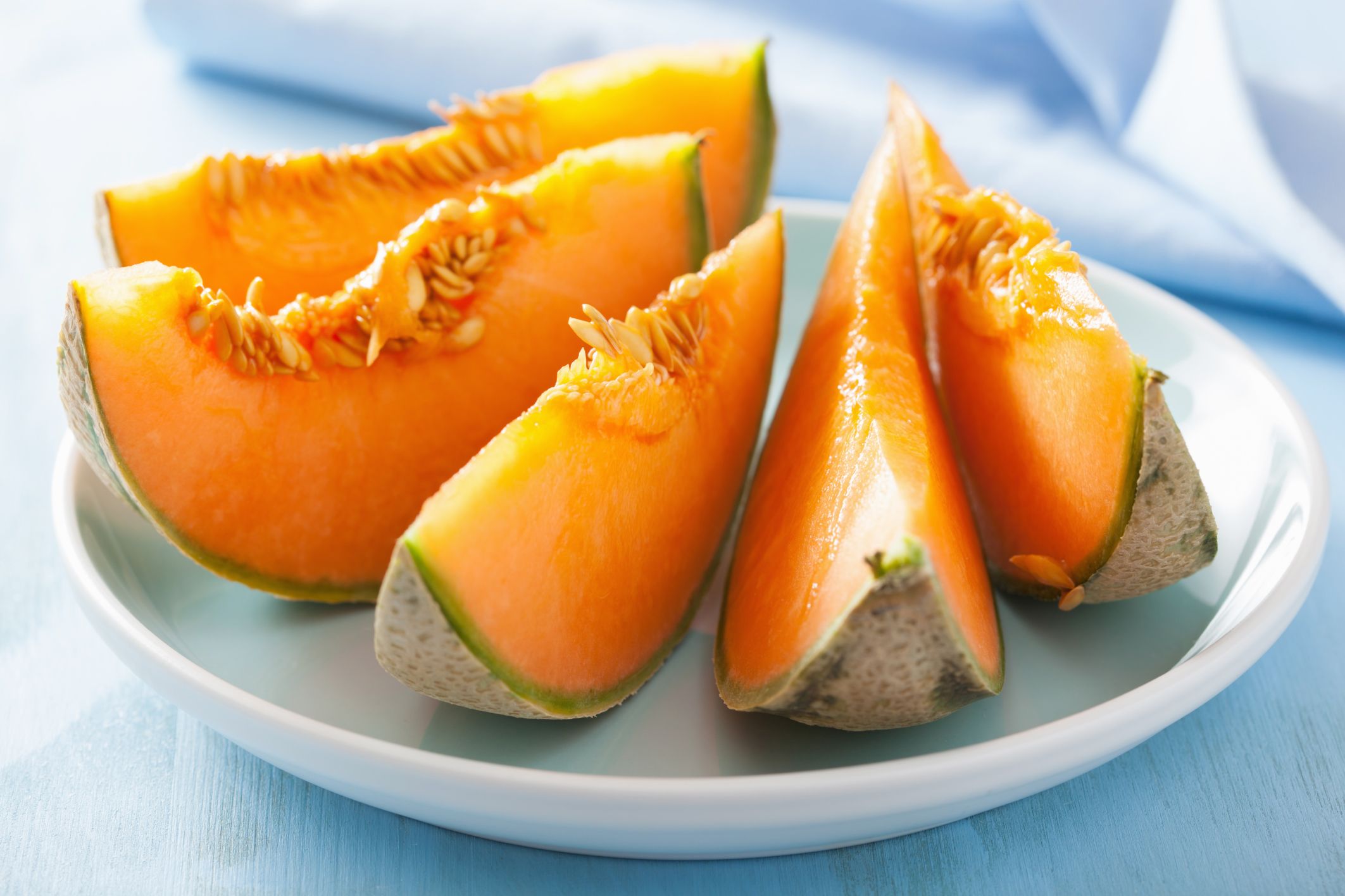
Cantaloupe is a refreshing and delicious fruit that is not only tasty but also packed with essential minerals. This juicy melon belongs to the Cucurbitaceae family and is rich in vitamins, antioxidants, and fiber. But what makes cantaloupe truly remarkable are the minerals it contains, which play a crucial role in maintaining our overall health.
One of the key minerals found in cantaloupe is potassium. Potassium plays a significant role in regulating blood pressure by reducing the effects of sodium and relaxing blood vessels. It also aids in proper muscle function, including the heart muscle. A single cup of diced cantaloupe provides around 14% of your daily recommended intake of potassium, making it an excellent choice for heart health.
Magnesium is another important mineral abundantly present in cantaloupe. Magnesium contributes to over 300 biochemical reactions in our body, including energy production, DNA synthesis, and nerve function. It also helps regulate blood sugar levels and promotes healthy bones. Just one serving of cantaloupe can provide approximately 7% of your daily magnesium requirement.
Copper may not be as well-known as other minerals, but it has several vital functions within our bodies. Cantaloupes contain small amounts of copper that aid in collagen production, iron absorption, and red blood cell formation. Copper also acts as an antioxidant that helps protect cells from damage caused by free radicals.
Manganese is yet another mineral found in abundance within this sweet melon. Manganese assists in carbohydrate metabolism and plays a crucial role in bone development and wound healing processes. Adding cantaloupe to your diet can help ensure you meet your manganese needs naturally.
Lastly, cantaloupes contain traces of zinc – an essential mineral required for immune system functioning, DNA synthesis, wound healing, growth regulation during childhood years, fertility support for both men and women alike.
Incorporating this delicious fruit into your diet is simple. You can enjoy cantaloupe as a standalone snack, add it to fruit salads, blend it into smoothies, or use it as a topping for yogurt or cereal. However you choose to consume cantaloupe, be sure to select ripe ones that are fragrant and have a slightly soft texture.
In conclusion, cantaloupe is not only a flavorful treat but also an excellent source of essential minerals. From potassium and magnesium to copper and zinc, this melon provides numerous health benefits. So why not make cantaloupe a regular part of your healthy eating routine? Your body will thank you!

Leave a Reply