Kale has gained immense popularity in recent years due to its nutritional benefits and versatility in cooking. It is a leafy green vegetable that belongs to the Brassica family, which also includes cabbage, broccoli, and Brussels sprouts. Growing kale in your garden can be a rewarding experience as it requires minimal care and delivers a bountiful harvest.
To start growing kale, you will need good quality soil that is well-drained and rich in organic matter. Kale prefers full sun but can tolerate partial shade as well. Before planting the seeds or seedlings, prepare the soil by removing any weeds and loosening it with a garden fork or tiller.
There are several different varieties of kale available, each with its own unique characteristics. Some popular varieties include Curly Kale (with ruffled leaves), Lacinato Kale (also known as Dinosaur Kale for its bumpy texture), Red Russian Kale (with red-veined leaves), and Siberian Kale (which withstands colder temperatures).
If you plan on starting from seeds, sow them directly into the ground about half an inch deep and one foot apart. If using seedlings purchased from a nursery or garden center, transplant them into your prepared soil at the same spacing.
While kale is relatively low-maintenance compared to other vegetables, it does require regular watering to keep the soil moist but not waterlogged. Aim for about 1 inch of water per week through rainfall or irrigation.
As your kale plants grow, they may attract pests such as aphids or cabbage worms. To combat this issue naturally, consider introducing ladybugs into your garden as they feed on these pests. Alternatively, you can use organic insecticidal soap spray to control infestations.
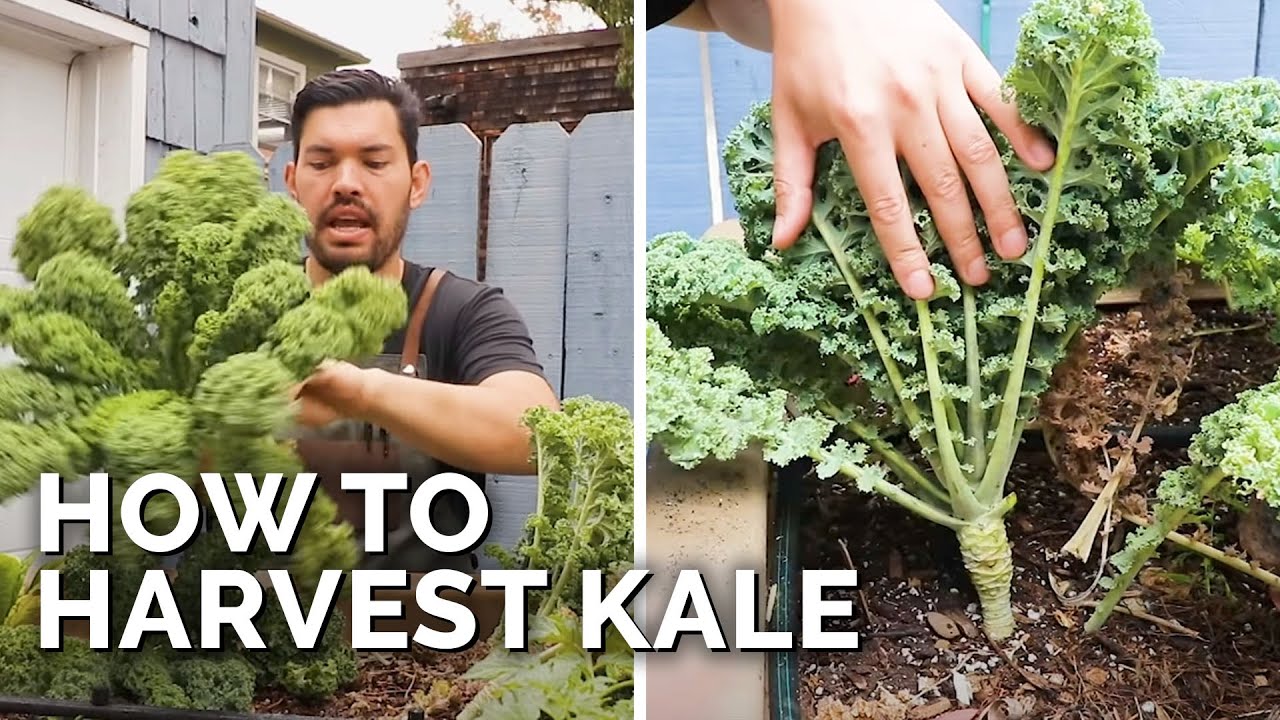
Harvesting kale leaves should be done when they reach their desired size – typically around 8-10 inches long for most varieties. Start by picking the outermost leaves first while leaving the inner ones intact so that the plant can continue to grow. Regular harvesting promotes new leaf growth, ensuring a continuous supply of fresh kale throughout the growing season.
Kale is a versatile vegetable that can be used in various dishes. It can be sautéed, steamed, added to salads, or even blended into smoothies for a nutrient-packed boost. Its rich flavor pairs well with garlic, lemon juice, olive oil, and Parmesan cheese.
In conclusion, growing kale in your garden is an excellent way to ensure a regular supply of this nutritious green leafy vegetable. With minimal effort and care, you can enjoy the benefits of fresh kale right at your doorstep. So why not give it a try and start reaping the rewards of growing your own healthy produce?

Leave a Reply