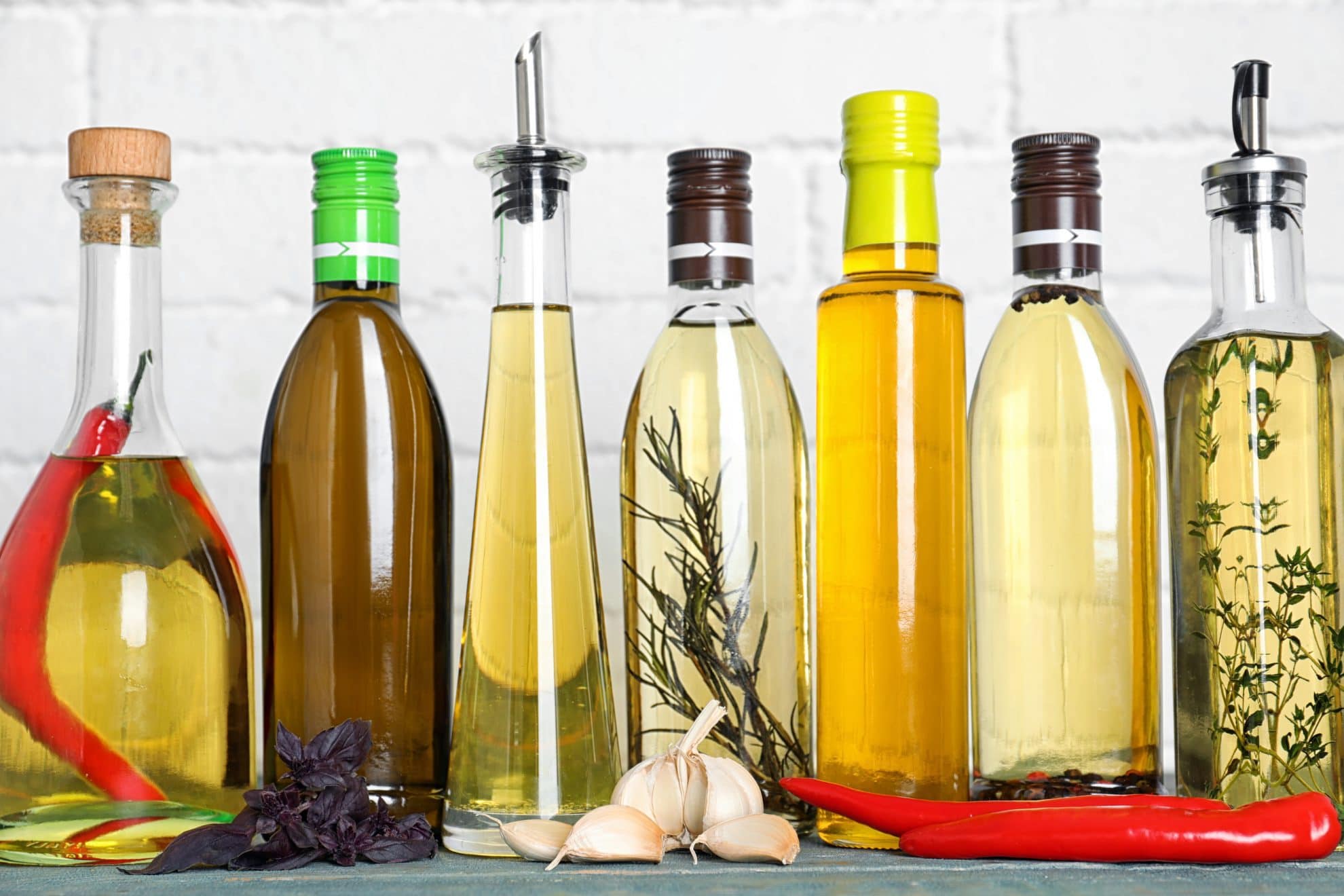
Healthier Cooking Oils: A Guide to Making Better Choices
When it comes to cooking, one of the key elements that can greatly impact our health is the choice of cooking oil. With a wide variety of options available in the market, it can be overwhelming to determine which oils are truly beneficial for our overall well-being. In this guide, we will explore some healthier alternatives to commonly used cooking oils and shed light on their nutritional profiles.
1. Olive Oil: The Mediterranean Superstar
Olive oil has long been praised for its numerous health benefits and is a staple in Mediterranean cuisine. It is rich in monounsaturated fats, which have been associated with improved heart health. Additionally, olive oil contains antioxidants called polyphenols that possess anti-inflammatory properties.
Extra virgin olive oil (EVOO) is considered the highest quality and most flavorful option among olive oils. It undergoes minimal processing and retains more natural nutrients compared to other varieties like refined or light olive oil. EVOO is best used for drizzling over salads or dipping bread due to its delicate flavor.
2. Avocado Oil: Creamy Goodness Packed with Nutrients
Avocado oil has gained popularity in recent years due to its impressive nutrient profile. Like olive oil, it is high in monounsaturated fats but also contains vitamins E and K along with potassium.
With a mild taste, avocado oil is versatile and suitable for various cooking methods such as sautéing, baking, or grilling at higher temperatures without losing its beneficial properties. Its smooth texture makes it an ideal ingredient for homemade salad dressings or marinades too.
3. Coconut Oil: Controversial yet Versatile
Coconut oil has sparked debates within the nutrition community due to its high saturated fat content; however, recent research suggests that not all saturated fats should be treated equally.
While coconut oil does contain saturated fat predominantly in the form of lauric acid, it also boasts medium-chain triglycerides (MCTs) that are metabolized differently by the body. MCTs are believed to have potential benefits for weight management and brain health.
Coconut oil’s distinct flavor makes it an excellent choice for baking, particularly in recipes like desserts or Asian-inspired dishes. It can also be used as a substitute for butter or vegetable oils in certain cooking applications.
4. Walnut Oil: A Nutty Twist
Walnut oil is derived from walnuts, which are rich sources of omega-3 fatty acids – essential fats known for their anti-inflammatory properties and potential cardiovascular benefits.
With its distinctive nutty flavor, walnut oil enhances the taste of salads, pasta dishes, and roasted vegetables. Due to its delicate nature and low smoke point, it is recommended to use walnut oil primarily as a finishing touch rather than for high-heat cooking.
5. Grapeseed Oil: Light and Neutral
Grapeseed oil is extracted from grape seeds after winemaking processes. It contains polyunsaturated fats such as omega-6 fatty acids along with vitamin E.
This light and neutral-tasting oil can withstand higher temperatures compared to some other oils mentioned earlier without losing its nutritional value. Its versatility makes it suitable for sautéing, frying, baking, or even making homemade mayonnaise.
6. Sesame Oil: Aromatic Flavor Booster
Sesame oil has been widely used in Asian cuisine due to its distinct nutty flavor and aroma. It is a good source of monounsaturated fats along with antioxidants like sesamol and sesaminol that exhibit potential health benefits including reducing oxidative stress.
Due to its strong taste profile, sesame oil is often utilized as a finishing touch in stir-fries or drizzled over cooked dishes just before serving rather than being used as the primary cooking medium.
7. Canola Oil: The Contender
Canola oil, derived from the seeds of the yellow-flowered canola plant, has gained attention as a healthier alternative to traditional vegetable oils due to its favorable fat profile. It is low in saturated fats and high in heart-healthy omega-3 fatty acids.
With its light flavor and high smoke point, canola oil is suitable for various cooking techniques such as frying, baking, or grilling. However, it is essential to note that most commercially available canola oils are highly processed unless explicitly labeled as unrefined or cold-pressed.
Conclusion
When it comes to selecting cooking oils for a healthier lifestyle, it’s crucial to consider their nutritional composition and suitability for different cooking methods. While olive oil and avocado oil stand out for their monounsaturated fats content and versatility, coconut oil provides unique medium-chain triglycerides. Walnut oil offers omega-3 fatty acids while grapeseed oil serves as a neutral option with higher heat tolerance. Sesame oil brings aromatic flavors while canola oil presents a balanced fat profile.
Ultimately, making informed choices about cooking oils based on individual health needs and taste preferences is key. By incorporating these healthier alternatives into our culinary repertoire, we can take significant steps towards improving our overall well-being without compromising on flavor or enjoyment in the kitchen.

Leave a Reply