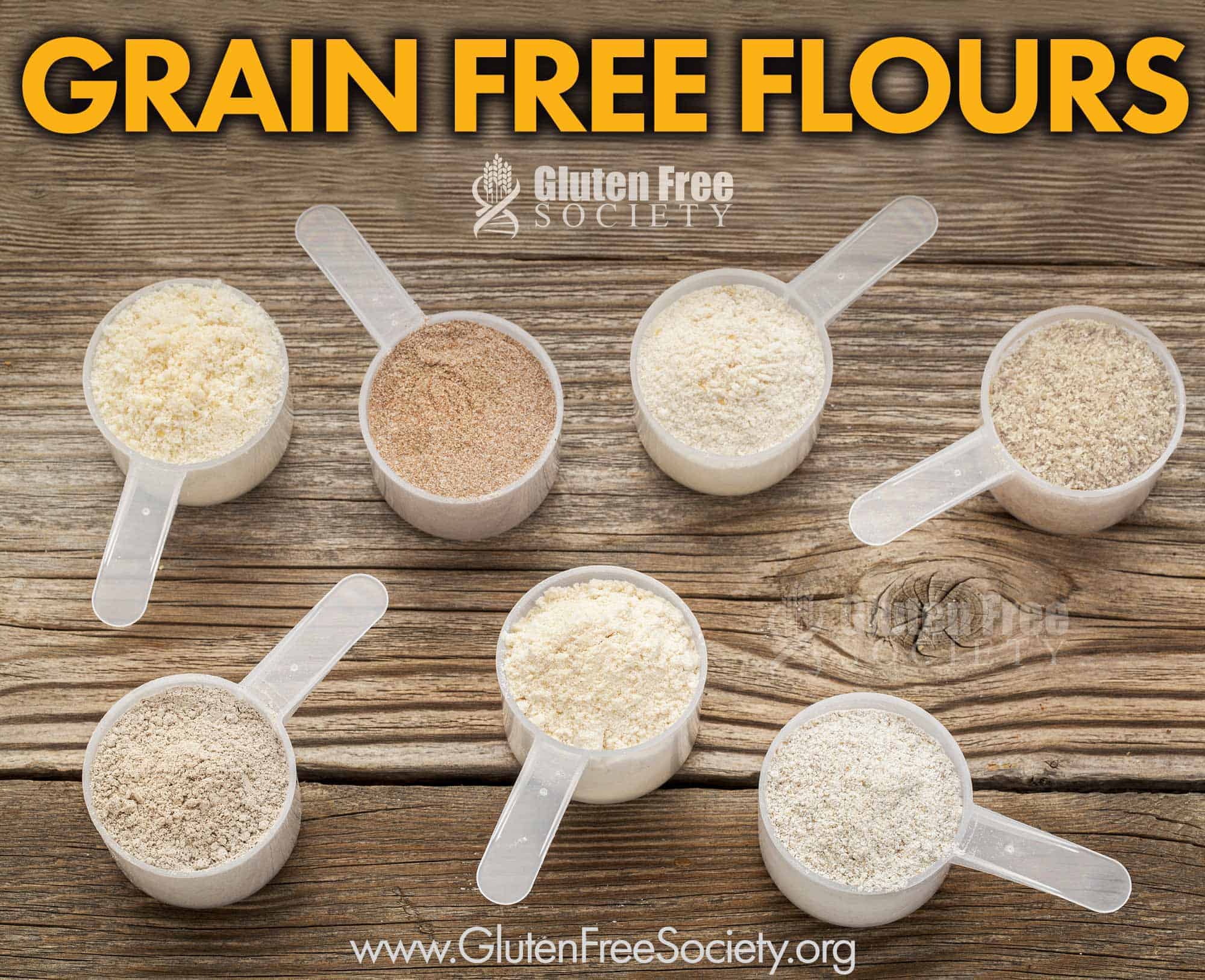
Gluten-free grains and flours have gained popularity in recent years due to the increasing number of people diagnosed with gluten sensitivity or celiac disease. These alternative options provide individuals with dietary restrictions the opportunity to enjoy a wide range of delicious foods while still adhering to their gluten-free lifestyle.
One popular gluten-free grain is quinoa, which is technically a seed but often referred to as a grain due to its culinary uses. Quinoa is not only rich in protein but also contains all nine essential amino acids, making it a complete protein source. Additionally, quinoa is high in fiber, iron, magnesium, and manganese. Its nutty flavor and versatile nature make it an excellent choice for salads, side dishes, or even as a substitute for rice.
Another widely used gluten-free grain is millet. This ancient grain has been cultivated for thousands of years and offers numerous health benefits. Millet is packed with essential nutrients like magnesium, phosphorus, and antioxidants. It has a mild flavor that works well in both sweet and savory dishes such as porridge, pilaf, or baked goods.
Buckwheat is yet another fantastic option for those following a gluten-free diet. Despite its name containing “wheat,” buckwheat is completely unrelated to wheat and does not contain any gluten proteins. Buckwheat flour can be used in various recipes ranging from pancakes and waffles to breads and noodles.
For baking enthusiasts looking for alternatives to traditional wheat flour, there are several noteworthy options available as well. One popular choice is almond flour – made from finely ground almonds – which adds moisture and richness to baked goods while providing healthy fats and vitamin E.
Coconut flour has also gained popularity due to its unique texture and slightly sweet taste. It’s an excellent source of fiber while being low in carbohydrates compared to other flours.
Lastly, tapioca flour – derived from cassava root – serves as an excellent thickening agent. It adds a light and fluffy texture to baked goods, making it a favorite among gluten-free bakers.
In conclusion, gluten-free grains and flours offer individuals with dietary restrictions the opportunity to enjoy diverse meals without compromising on taste or nutrition. Incorporating these alternatives into your culinary repertoire can expand your options while providing numerous health benefits. Whether you’re seeking variety in grains or exploring alternative flours for baking, there is a wide range of delicious possibilities awaiting you in the world of gluten-free eating.

Leave a Reply