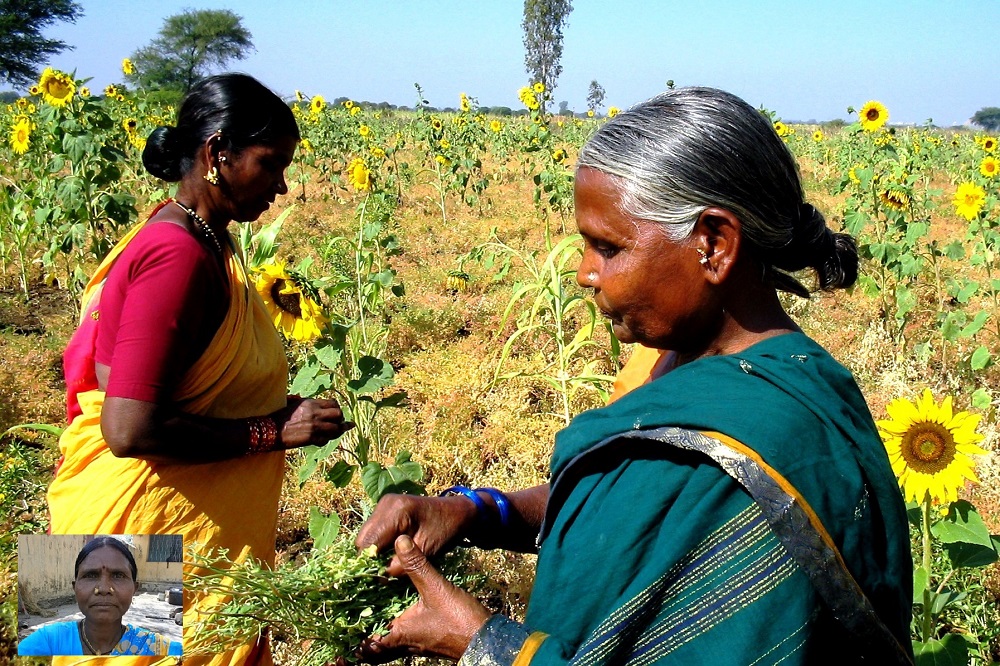
Sustainable Farming Practices:
Sustainable farming practices are essential for preserving the health of our planet and ensuring a consistent supply of nutritious food. These methods prioritize environmental stewardship, minimize chemical inputs, and promote biodiversity. Here are some key sustainable farming practices that farmers around the world are adopting:
1. Crop Rotation: Crop rotation involves systematically planting different crops in a specific sequence on the same piece of land over several seasons or years. This practice helps prevent soil erosion, nutrient depletion, and pest infestation.
2. Cover Crops: Planting cover crops such as legumes or grasses during fallow periods can improve soil fertility by fixing nitrogen, preventing erosion, suppressing weeds, and enhancing water infiltration.
3. Conservation Tillage: Rather than plowing fields extensively, conservation tillage minimizes soil disturbance to preserve its structure and organic matter content. It reduces erosion risk and saves energy.
4. Integrated Pest Management (IPM): IPM combines various strategies like biological controls (e.g., beneficial insects), crop rotation, trap cropping, and targeted pesticide use to manage pests effectively while reducing chemical inputs.
5. Agroforestry: Agroforestry integrates trees with agricultural crops or livestock systems to provide ecological benefits such as shade for animals or windbreaks to protect against soil erosion. It enhances biodiversity and improves long-term sustainability.
6. Water Conservation Techniques: Farmers employ various techniques like drip irrigation systems, rainwater harvesting, contour plowing, terracing slopes to mitigate water wastage and ensure efficient usage in agriculture.
7. Soil Conservation Measures: Implementing measures like terracing steep slopes or constructing sediment ponds help control soil erosion caused by rainfall runoff.
8. Precision Agriculture: Using advanced technologies like GPS mapping systems and sensors allows farmers to optimize fertilizer application rates according to varying field conditions accurately.
Seasonal Eating:
Eating seasonally means consuming fruits and vegetables that are naturally available during specific times of the year. By aligning our diets with the seasons, we can support local farmers, reduce carbon footprints associated with long-distance transportation, and enjoy fresh produce at its peak flavor and nutrient content. Here are some reasons why seasonal eating is beneficial:
1. Nutritional Benefits: Seasonal produce tends to be fresher and retains higher nutritional value since it doesn’t require long storage or travel times.
2. Environmental Impact: Eating locally sourced seasonal food reduces the carbon emissions associated with transportation and refrigeration.
3. Support Local Agriculture: Choosing local, seasonal produce supports small-scale farmers in your community while promoting food security and economic sustainability.
4. Variety in Diet: Seasonal eating encourages diversity in our diet as different fruits and vegetables come into season at different times throughout the year.
5. Cost Savings: When produce is abundant during its peak season, prices tend to be lower compared to out-of-season items that may require additional resources for cultivation or importation.
Locally Sourced Seafood:
Consuming locally sourced seafood not only ensures freshness but also helps sustain marine ecosystems by supporting responsible fishing practices. When you choose seafood caught or farmed near your location, you minimize the environmental impact of long-distance shipping while supporting your local economy. Here are some benefits of choosing locally sourced seafood:
1. Fresher Flavor: Locally caught fish reaches consumers more quickly than those transported over longer distances, ensuring optimal taste and texture.
2. Sustainable Fishing Practices: Local fishermen often adhere to sustainable fishing methods such as using selective gear types, avoiding overfished species or sensitive habitats, minimizing bycatch (unintentional catch), and respecting fishing quotas.
3. Traceability & Transparency: Buying from local fishermen promotes transparency in the supply chain as you can directly ask about their catch methods or certifications like Marine Stewardship Council (MSC) labels indicating sustainable sourcing.
4. Supporting Local Economy: By buying locally sourced seafood, you contribute to the economic viability of coastal communities and support small-scale fishermen.
5. Reduced Carbon Footprint: Choosing local seafood reduces carbon emissions associated with long-distance transportation, contributing to a more sustainable food system.
Urban Farming Initiatives:
Urban farming initiatives are gaining popularity as a means of promoting local food production, improving access to fresh produce, and creating green spaces in urban areas. Here are some examples of urban farming practices:
1. Rooftop Gardens: Utilizing rooftops for cultivating vegetables, herbs, or even fruit trees allows for efficient land use in densely populated cities. These gardens provide insulation, reduce stormwater runoff, and improve air quality.
2. Vertical Farming: Vertical farming involves growing crops in stacked layers or vertically inclined surfaces using hydroponics or aeroponics systems that require less space and water compared to traditional agriculture.
3. Community Gardens: These shared spaces enable residents to grow their own food while fostering social connections within neighborhoods and increasing access to fresh produce.
4. Indoor Agriculture: Utilizing indoor spaces like warehouses or shipping containers equipped with LED lights and climate control systems enables year-round cultivation regardless of external weather conditions.
5. Aquaponics Systems: Combining aquaculture (fish farming) with hydroponics creates symbiotic relationships where fish waste provides nutrients for plant growth while plants filter the water for the fish.
6. Microgreens & Sprouting: Growing microgreens (young vegetable greens) or sprouts indoors requires minimal space but yields highly nutritious additions to salads and sandwiches throughout the year.
Indigenous Food Systems:
Indigenous food systems emphasize traditional knowledge passed down through generations about sustainable land management practices, crop varieties suitable for local climates, and culturally significant foods. These systems promote community resilience, biodiversity conservation, and cultural preservation. Here are key features of indigenous food systems:
1. Traditional Seeds & Crop Varieties: Indigenous communities maintain diverse seed banks that preserve ancient crop varieties adapted to specific local conditions. These varieties often display greater resilience to pests, diseases, and climate variations.
2. Regenerative Land Management: Indigenous communities practice land management techniques like rotational grazing, controlled burning, or intercropping that enhance soil fertility, biodiversity, and water retention while minimizing erosion risks.
3. Cultural Preservation: Indigenous food systems are deeply rooted in cultural traditions and rituals associated with seasonal harvests, hunting practices, gathering wild foods, and sharing communal meals as a means of preserving cultural identity.
4. Sustainable Fishing & Hunting Practices: Indigenous communities have traditionally practiced sustainable fishing techniques such as using specific nets or traps that minimize bycatch or respecting spawning seasons. Similarly, traditional hunting practices prioritize animal welfare and population sustainability.
5. Traditional Food Processing Techniques: Indigenous food systems often include unique methods of processing foods such as fermentation (e.g., sauerkraut) or smoking (e.g., jerky), enhancing shelf life while adding nutritional value.
6. Knowledge Sharing & Community Engagement: Indigenous food systems emphasize knowledge transmission from elders to younger generations through storytelling, workshops, or community gatherings.
Food Waste Reduction Strategies:
Food waste is a significant global issue contributing to environmental degradation and economic losses. Implementing strategies to reduce food waste at various stages of the supply chain can help address this problem effectively:
1. Education & Awareness: Promoting public awareness about the consequences of food waste encourages individuals to make conscious choices regarding portion sizes during cooking and mindful consumption habits.
2. Improved Storage & Handling: Proper storage techniques for perishable items like fruits and vegetables prevent premature spoilage while appropriate handling reduces damage during transportation.
3. Donation Programs: Collaborating with local food banks or charities allows surplus edible food from farms or businesses to be redirected towards those in need.
4. Composting & Anaerobic Digestion: Diverting organic waste from landfills into composting facilities produces nutrient-rich soil amendments that can improve soil health when applied to agricultural lands. Anaerobic digestion of food waste can also generate renewable energy in the form of biogas.
5. Food Labeling Standards: Clear and consistent date labeling helps consumers distinguish between “best before” and “use by” dates, reducing unnecessary food discards due to confusion.
6. Value-added Product Development: Utilizing surplus or imperfect produce to create value-added products like soups, sauces, or preserves extends their shelf life while minimizing waste.
Organic Livestock Farming:
Organic livestock farming focuses on raising animals in a manner that promotes animal welfare, minimizes environmental impact, and avoids synthetic inputs such as antibiotics or hormones. Here are some key practices associated with organic livestock farming:
1. Pasture-Raised Animals: Organic standards require providing access to open-air areas for grazing and exercise whenever possible, allowing animals to exhibit natural behaviors.
2. Organic Feed & Forage: Livestock raised organically must be fed certified organic feed free from genetically modified organisms (GMOs) and synthetic pesticides or fertilizers.
3. Antibiotic-Free & Hormone-Free Practices: The use of antibiotics as growth promoters is strictly prohibited in organic livestock farming. Similarly, hormones for stimulating growth are not allowed unless used for therapeutic purposes under veterinary guidance.
4. Animal Welfare Standards: Organic certification includes specific requirements regarding housing conditions, living space per animal, access to clean water, proper veterinary care when needed, and humane handling during transportation or slaughter.
Community-Supported Agriculture (CSA):
Community-supported agriculture programs connect consumers directly with local farmers by offering shares or subscriptions for seasonal produce throughout the year. Here’s how CSA works:
1. Shareholder Commitment: Individuals commit upfront by purchasing a share at the beginning of the growing season which entitles them to receive regular deliveries of fresh produce from the farm.
2. Seasonal Variety: CSA members enjoy a diverse range of fruits, vegetables, herbs, and sometimes eggs or dairy products harvested according to the season’s availability.
3. Shared Risk & Reward: CSA members share both the risks (e.g., crop failures due to weather) and rewards (e.g., bumper harvests) with the farmers, fostering a sense of community support.
4. Direct Relationship: CSA allows consumers to establish direct relationships with local farmers, learn about their farming practices, and engage in farm visits or educational events.
Permaculture Principles in Farming:
Permaculture is an ecological design system that integrates various elements such as plants, animals, water systems, soil management techniques within a holistic framework. Permaculture principles aim to create self-sustaining ecosystems that mimic natural patterns and promote resilience. Here are key permaculture principles applied in farming:
1. Design for Sustainability: Permaculture designs emphasize long-term sustainability by minimizing inputs like fertilizers or pesticides while maximizing outputs through careful planning of plant guilds (complementary plant combinations).
2. Observation & Interaction: Observing land conditions helps identify opportunities for enhancing biodiversity, conserving water resources, or utilizing microclimates effectively.
3. Soil Health Improvement: Building healthy soil is central to permaculture practices through techniques like composting organic waste materials or incorporating cover crops into rotations.
4. Water Conservation & Management: Capturing rainwater runoff using swales (shallow ditches), contour plowing slopes to reduce erosion risk while promoting water infiltration are common strategies in permaculture.
5. Integration of Animals: Integrating livestock like chickens or goats into farming systems improves nutrient cycling through manure deposition while providing additional income streams.
Heritage Grains and Heirloom Vegetables:
Heritage grains and heirloom vegetables refer to traditional crop varieties that have been cultivated for generations without significant genetic modifications. These ancient cultivars offer unique flavors, textures, nutritional profiles often lost in modern commercial varieties bred for uniformity or high yields. Here’s why heritage grains and heirloom vegetables are gaining attention:
1. Genetic Diversity Preservation: Growing heirloom varieties helps preserve genetic diversity, ensuring resilience against diseases, pests, or climate variations that may affect monocultures.
2. Cultural Heritage & Culinary Traditions: Many traditional cuisines rely on specific heirloom varieties for their distinctive flavors or textures, enabling cultural preservation through food.
3. Nutritional Value: Some studies suggest that certain heritage grains exhibit higher nutritional content than modern hybrids due to a longer history of selective breeding for desirable traits.
4. Taste & Culinary Experience: Heirlooms often offer unique flavor profiles that can enhance culinary creativity and appreciation for diverse tastes.
Regenerative Agriculture Techniques:
Regenerative agriculture goes beyond sustainable farming practices by actively restoring soil health, promoting biodiversity, and sequestering carbon from the atmosphere. It aims to reverse damage caused by conventional agriculture while supporting long-term productivity and ecosystem services. Key techniques include:
1. Regenerative Grazing: Implementing rotational grazing systems mimics natural herbivore movements that promote pasture rejuvenation and nutrient cycling while preventing overgrazing.
2. Agroforestry Systems: Introducing trees into agricultural landscapes provides multiple benefits such as reducing soil erosion, enhancing microclimate regulation, diversifying income sources with tree crops or timber production.
3. Carbon Farming & Soil Sequestration: Practices like cover cropping (growing plants between cash crops), no-till farming (minimizing soil disturbance), or applying biochar (carbon-rich charcoal) help sequester atmospheric carbon dioxide in the soil.
4. Ecological Pest Management: Encouraging beneficial insects’ presence through habitat creation or intercropping enhances natural pest control mechanisms rather than relying on synthetic pesticides.
Edible Landscaping and Urban Gardens:
Edible landscaping combines aesthetic appeal with functional food production by incorporating edible plants into residential yards, public spaces, or urban gardens. Here’s why edible landscaping and urban gardens are gaining popularity:
1. Food Security & Self-Sufficiency: Growing food in one’s own backyard or community garden provides a sense of security, self-reliance, and access to fresh produce.
2. Community Bonding: Shared gardening spaces foster social connections, knowledge sharing, and community engagement around sustainable agriculture practices.
3. Biodiversity Support: Edible landscaping emphasizes planting a variety of edible plants that attract pollinators, beneficial insects, and birds while enhancing ecological balance.
4. Environmental Benefits: Urban gardens mitigate heat island effects by providing shade and cooling benefits while contributing to air purification.
Biodynamic Farming Methods:
Biodynamic farming is an approach that incorporates organic principles with spiritual perspectives on the interconnectedness of agricultural systems within the larger cosmos. Key elements of biodynamic farming include:
1. Compost Preparation: Biodynamic farmers use specific compost preparations made from medicinal herbs or minerals to enhance soil fertility and stimulate microbial activity.
2. Lunar Calendar Planting: Aligning planting activities with lunar cycles is believed to influence plant growth patterns according to cosmic rhythms.
3. Crop Rotation & Diversity: Similar to organic farming, biodynamics emphasizes crop rotation for maintaining soil health while diversifying plant species grown on the farm.
4. Homeopathic Preparations: Biodynamic farmers utilize homeopathic remedies like fermented herbal teas or mineral solutions sprayed on crops as natural pest management methods.
Aquaponics & Hydroponics for Sustainable Food Production:
Aquaponics combines aquaculture (fish farming) with hydroponics (soil-less cultivation) in a symbiotic system where fish waste provides nutrients for plants grown in water-based environments while plants filter the water for fish habitat cleanliness. Similarly, hydroponic systems deliver nutrient-rich water directly to plant roots without soil dependence. These methods offer several advantages:
1. Water Efficiency: Aquaponic/hydroponic systems use significantly less water compared to traditional soil-based farming due to recirculation and conservation techniques.
2. Year-round Cultivation: By controlling environmental conditions, these systems enable year-round crop production, regardless of external weather or seasonal limitations.
3. Space Optimization: Vertical stacking or efficient layout designs in aquaponic/hydroponic systems allow for higher productivity per unit area, making them suitable for urban environments with limited space.
Wild Foraging for Nutritious Ingredients:
Wild foraging involves gathering edible plants, mushrooms, berries, nuts, or even wild game from natural habitats. This practice reconnects people with their local ecosystems while providing access to nutrient-rich ingredients. Here are some considerations when engaging in wild foraging:
1. Species Identification: Proper knowledge of plant species and their characteristics is crucial to avoid accidental ingestion of toxic plants or endangering protected species.
2. Sustainability & Conservation: Responsible foraging practices involve harvesting only a portion of available resources without causing harm to populations or habitats.
3. Seasonal Awareness: Being aware of the timing and location where specific wild edibles grow ensures optimal harvests while preventing overexploitation.
Farm-to-School Programs Promoting Healthy Eating Habits in Children:
Farm-to-school programs connect schools with local farmers to provide fresh produce in cafeterias while educating children about healthy eating habits and the origins of their food. These programs offer several benefits:
1. Nutritional Education: Farm-to-school initiatives incorporate nutrition education into school curricula to teach students about healthy eating habits and the importance of fresh produce.
2. Local Economy Support: By sourcing from local farmers, farm-to-school programs contribute to the economic sustainability of nearby agricultural communities.
3. Improved Food Quality: Accessing fresh fruits and vegetables directly from local farms means fewer preservatives or additives typically found in processed foods.
Agroforestry & Agroecology Practices:
Agroforestry integrates trees within agricultural landscapes by combining crops, livestock, or fish production with tree planting. Agroecology emphasizes ecological principles in farming systems to enhance productivity, sustainability, and resilience. Key practices include:
1. Windbreaks & Shelterbelts: Planting rows of trees around agricultural fields helps protect crops from wind damage while providing habitat for beneficial insect populations.
2. Alley Cropping: Combining rows of trees with annual or perennial crops within the same field maximizes land use efficiency and diversifies income sources.
3. Silvopasture: Introducing trees into pasturelands provides shade for grazing animals while promoting soil health through nutrient cycling.
Alternative Protein Sources like Insects or Plant-based Options:
In response to global food security challenges and environmental concerns associated with conventional animal agriculture, alternative protein sources are gaining attention. Insect-based proteins (entomophagy) and plant-based meat alternatives offer several advantages:
1. Resource Efficiency: Insects convert feed into protein more efficiently compared to traditional livestock species while requiring less water and land resources.
2. Reduced Environmental Impact: Insect farming generates fewer greenhouse gas emissions than conventional livestock rearing while decreasing pressure on deforestation due to land conversion for feed production.
3. Nutritional Value: Many insects are rich in essential nutrients like high-quality proteins, healthy fats, vitamins, minerals making them a nutritious addition to diets.
Seed Saving & Biodiversity Conservation:
Seed saving involves preserving heirloom or open-pollinated crop varieties by collecting seeds from mature plants for future cultivation rather than relying on commercially produced hybrid seeds each season. Here’s why

Leave a Reply