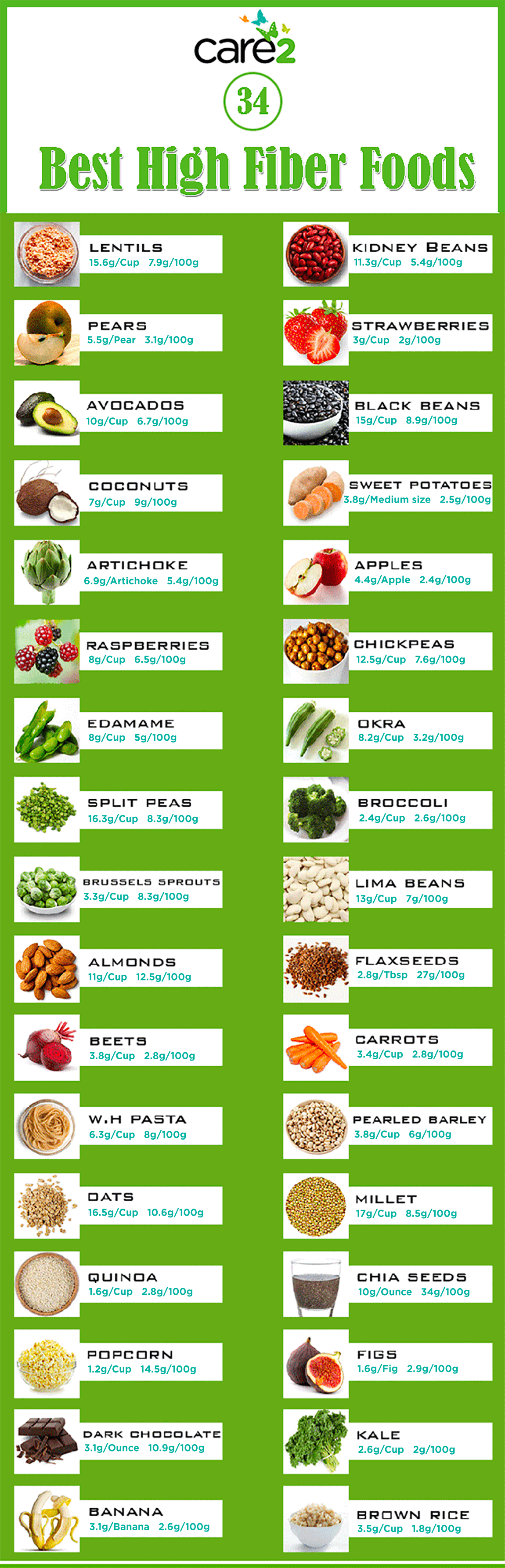
Fiber is an essential nutrient that plays a crucial role in maintaining good digestive health. It aids in weight management, reduces the risk of heart disease and diabetes, and helps promote regular bowel movements. Incorporating high-fiber foods into your diet can have numerous benefits for your overall well-being. However, timing your consumption of these foods can maximize their effectiveness. In this Q&A style post, we will explore the best times to consume high-fiber foods for optimal results.
Q: What are some examples of high-fiber foods?
A: High-fiber foods include whole grains like quinoa, brown rice, and oats; fruits and vegetables such as berries, apples, broccoli, and spinach; legumes like lentils, chickpeas, and black beans; nuts and seeds such as almonds, chia seeds, flaxseeds; and bran cereals.
Q: Is there a specific time of day when it’s best to consume high-fiber foods?
A: While there isn’t a one-size-fits-all answer to this question since individual needs vary based on factors like activity level and personal preferences. However, there are certain timings that can be beneficial:
1. Morning:
Consuming high-fiber foods in the morning provides an excellent start to your day by kick-starting your digestion process. Including fiber-rich breakfast options such as whole-grain cereals or oatmeal topped with fresh fruits or nuts not only keeps you feeling full but also helps regulate blood sugar levels throughout the day.
2. Pre-workout:
Eating a small portion of high-fiber food before exercising can provide sustained energy release during physical activity. Opt for easily digestible sources like bananas or whole grain toast with nut butter about 30 minutes before working out to avoid discomfort during exercise while still benefitting from fiber’s long-term effects on digestion.
3. Post-workout:
After intense physical activity or strength training sessions when muscles need to recover, it’s crucial to replenish your body with essential nutrients. Consuming high-fiber foods alongside protein can aid in muscle recovery and satiety. Including foods like quinoa, lean meat or fish, and steamed vegetables in post-workout meals will provide the necessary fiber along with other vital nutrients.
4. Throughout the day:
Distributing high-fiber foods evenly throughout your daily meals and snacks ensures a steady supply of this nutrient for proper digestion. This approach prevents sudden spikes or drops in blood sugar levels while also promoting regular bowel movements.
Q: Is there a specific timing to avoid high-fiber foods?
A: While consuming high-fiber foods is generally beneficial, it’s important to be mindful of certain situations when they may not be ideal:
1. Before bedtime:
Eating large amounts of high-fiber foods right before bed can lead to discomfort or disrupted sleep due to increased digestive activity. To ensure a good night’s rest, it’s advisable to opt for lighter, easily digestible options during evening hours.
2. Before intense physical activities:
Although moderate consumption of fiber-rich foods before exercising is beneficial as mentioned earlier, heavy intake just before intense workouts may cause gastrointestinal distress such as bloating or cramping due to slowed digestion caused by increased blood flow directed towards muscles instead of the digestive system.
3. When experiencing digestive issues:
If you have pre-existing conditions like irritable bowel syndrome (IBS) or inflammatory bowel disease (IBD), some types of fiber might exacerbate symptoms such as gas and bloating. In these cases, working with a healthcare professional or registered dietitian can help determine which specific types and amounts of fiber are suitable for your condition.
Q: Are there any general guidelines regarding portion sizes?
A: Portion sizes vary depending on factors such as age, sex, weight goals, and overall calorie needs. However, the American Dietetic Association recommends an average daily fiber intake of 25-30 grams for adults. It’s advisable to gradually increase your fiber intake and pay attention to how your body responds, as sudden drastic changes may lead to digestive discomfort.
Q: What are some tips to incorporate high-fiber foods into meals?
A: Here are a few suggestions:
1. Start small:
If you’re not used to consuming high-fiber foods, start by incorporating them in small amounts and gradually increasing over time. This allows your body to adjust and reduces the risk of gastrointestinal issues.
2. Mix it up:
Experiment with different types of fiber-rich foods to prevent boredom and ensure you obtain a wide range of nutrients. Include a variety of fruits, vegetables, whole grains, legumes, nuts, and seeds in your diet.
3. Stay hydrated:
Fiber absorbs water as it passes through the digestive system, so maintaining adequate hydration is crucial when consuming high-fiber foods. Aim for at least 8 cups (64 ounces) of water per day or more if you engage in intense physical activity.
4. Read food labels:
When purchasing packaged goods such as cereals or granola bars, read the nutrition label to ensure they contain ample amounts of dietary fiber without excessive added sugars or unhealthy fats.
In conclusion, incorporating high-fiber foods into your diet offers numerous health benefits. While there isn’t a specific “best” time for everyone to consume these foods universally, timing can be flexible based on individual needs and preferences throughout the day while considering certain situations where moderation might be necessary. By including an appropriate amount of fiber-rich options consistently in your meals and snacks while listening to your body’s response, you can support optimal digestion and overall well-being.

Leave a Reply