Traveler’s Diarrhea Prevention: Tips for a Healthy Journey
Traveling to new and exciting destinations is a wonderful experience that enriches our lives. Whether you’re embarking on a tropical beach vacation or immersing yourself in the vibrant culture of an exotic city, it’s important to prioritize your health and well-being during your journey. One common ailment that can put a damper on your travel plans is traveler’s diarrhea. However, with some simple precautions and mindful choices, you can significantly reduce the risk of contracting this unpleasant condition.
What is Traveler’s Diarrhea?
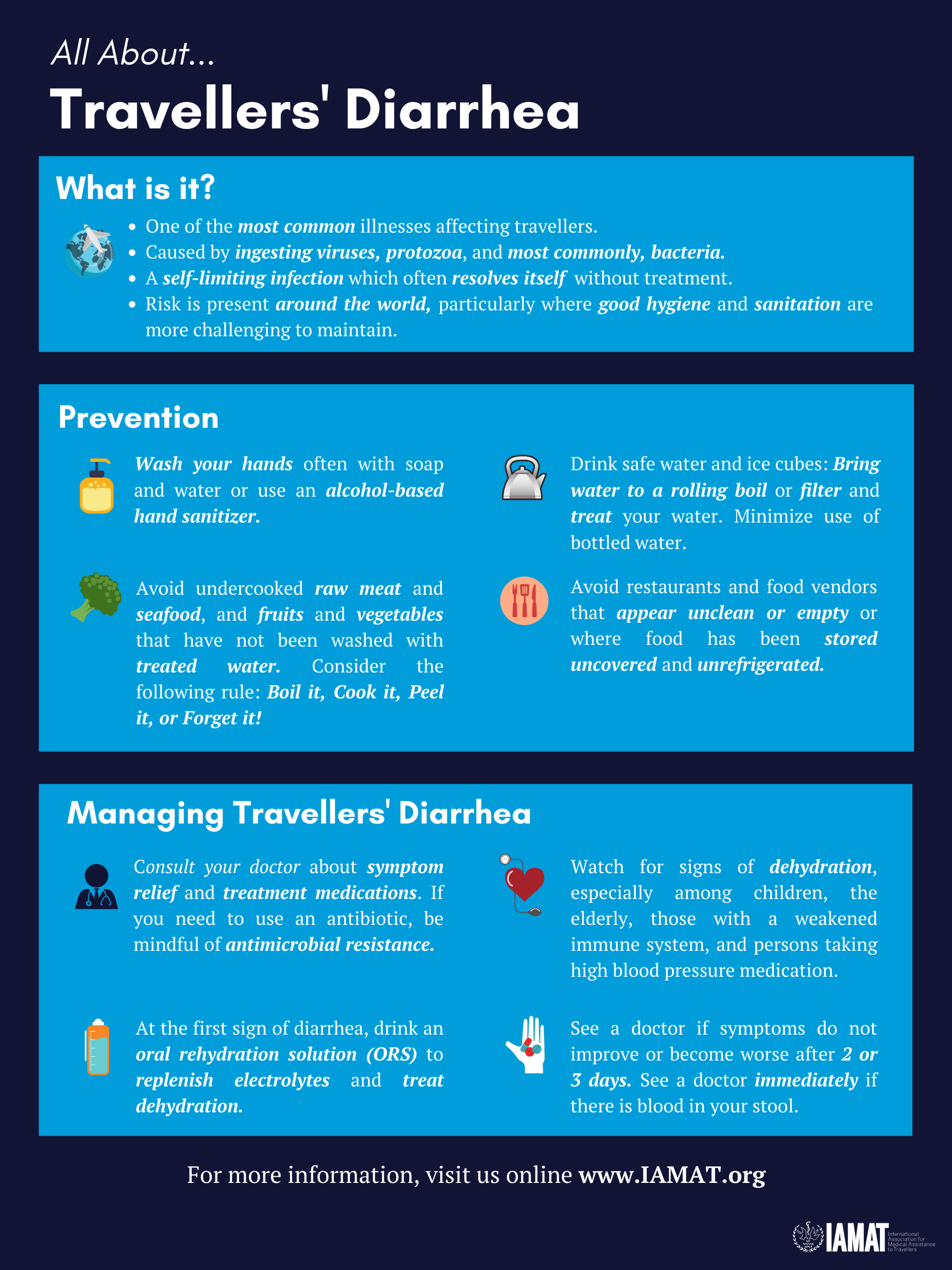
Traveler’s diarrhea, also known as “Montezuma’s Revenge” or “Delhi Belly,” refers to an intestinal infection caused by consuming contaminated food or water while traveling. It typically presents itself as loose stools, abdominal cramps, bloating, and sometimes even fever and vomiting. This condition affects millions of travelers each year, particularly those visiting developing countries where sanitation standards may not be as high.
Preventive Measures Before You Go
Before embarking on your adventure, it’s essential to take certain precautions to minimize the chances of falling victim to traveler’s diarrhea.
1. Research Your Destination:
Familiarize yourself with the local food safety standards and health conditions at your destination. Check if there are any specific foods or drinks you should avoid during your stay.
2. Consult Your Healthcare Provider:
Schedule an appointment with your healthcare provider at least four weeks before departure to discuss any necessary vaccinations or medications for the region you’ll be visiting.
3. Get Vaccinated:
Depending on your destination, various vaccines might be recommended such as hepatitis A and typhoid vaccines which help protect against diseases transmitted through contaminated food and water.
4. Pack Medications:
Carry over-the-counter anti-diarrheal medications like loperamide (Imodium) for immediate relief if symptoms occur during travel but remember they are only temporary solutions. Also, consider packing a course of antibiotics prescribed by your healthcare provider in case symptoms worsen.
5. Hydrate Well:
Staying hydrated is crucial to maintaining good health while traveling. Start hydrating before your journey and continue drinking plenty of fluids during your trip.
Smart Choices During Your Trip
Once you’ve arrived at your destination, there are several precautions you can take to ensure you have a safe and healthy experience:
1. Drink Safe Water:
Only consume bottled water or beverages that have been properly boiled or sterilized. Avoid tap water, ice cubes, and drinks made with tap water such as fresh juices unless you’re confident in the cleanliness of the source.
2. Practice Good Hand Hygiene:
Wash your hands frequently using soap and clean water for at least 20 seconds. If soap is unavailable, use an alcohol-based hand sanitizer containing at least 60% alcohol.
3. Be Mindful of Food Choices:
When it comes to food safety, follow these guidelines:
– Eat hot foods that are thoroughly cooked and served steaming hot.
– Choose raw fruits and vegetables that can be peeled or washed with safe water.
– Avoid raw or undercooked meats, seafood, unpasteurized dairy products, salads prepared in advance (especially from street vendors), and buffet-style meals where food might sit out for extended periods.
4. Stick to Reliable Eating Establishments:
Opt for restaurants and eateries that appear clean and well-maintained since they likely adhere to better hygiene practices compared to street food vendors whose standards may vary significantly.
5. Beware of Cross-Contamination:
Be cautious about cross-contamination when consuming meals from buffets or shared serving dishes since this presents a higher risk of contamination if proper hygiene practices aren’t followed by other diners.
6. Stay Away from Risky Beverages:
Avoid drinking unbottled beverages like fresh fruit juices from street vendors, unpasteurized milk, and drinks with ice of uncertain origin.
7. Be Careful with Personal Hygiene:
Use separate towels or tissues to dry your hands after washing them and avoid sharing personal items such as toothbrushes or utensils with others.
8. Practice Safe Swimming:
Avoid swallowing water while swimming in pools, lakes, rivers, or the ocean as it may contain harmful bacteria that can cause traveler’s diarrhea.
What to Do if Symptoms Occur
Despite taking all precautions, there is still a chance you may experience traveler’s diarrhea. If symptoms arise:
1. Stay Hydrated:
Drink plenty of fluids to prevent dehydration caused by diarrhea.
2. Rest and Take It Easy:
Allow your body to recover by getting enough rest and avoiding strenuous activities until symptoms improve.
3. Follow the BRAT Diet:
When eating becomes tolerable again, follow the BRAT diet (bananas, rice, applesauce, toast) which helps soothe the digestive system while providing essential nutrients for recovery.
4. Seek Medical Attention if Necessary:
If your symptoms worsen or persist for more than two days despite self-treatment measures or if you develop severe dehydration or high fever, seek medical attention promptly.
By adopting these preventive measures and making mindful choices during your journey, you can significantly reduce the risk of falling ill from traveler’s diarrhea. Remember that good hygiene practices go a long way in ensuring a healthy and enjoyable travel experience. Bon voyage!

Leave a Reply