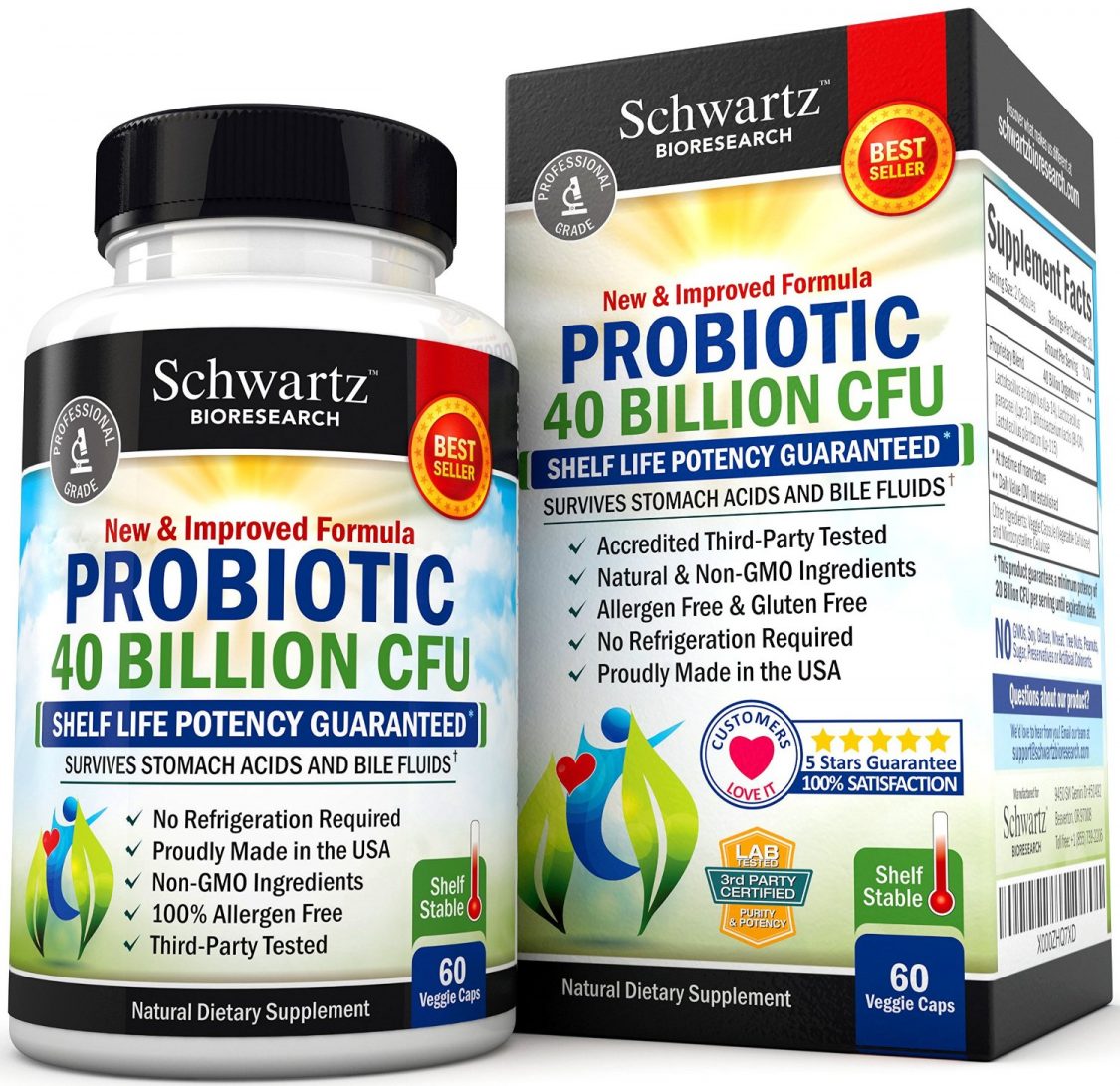
Probiotic Supplements: The Secret to a Healthy Gut
In recent years, there has been a growing interest in probiotic supplements and their potential health benefits. These live bacteria and yeasts are believed to promote good gut health by restoring the natural balance of microorganisms in our digestive system. While probiotics can be found naturally in foods like yogurt, kefir, sauerkraut, and kimchi, many people turn to supplements for an extra boost. In this article, we will delve into the world of probiotic supplements and explore their pros and cons.
What Are Probiotics?
Before diving into the details of probiotic supplements, it is important to understand what exactly these microscopic organisms are. Probiotics are live bacteria and yeasts that provide numerous health benefits when consumed in adequate amounts. They help maintain a healthy balance of microorganisms in our gut flora, which plays a crucial role in digestion, immunity, nutrient absorption, and overall well-being.
The Benefits of Probiotic Supplements
1. Improved Digestive Health: One of the primary reasons people take probiotic supplements is to support their digestive system. Research suggests that certain strains of beneficial bacteria can alleviate symptoms associated with conditions such as irritable bowel syndrome (IBS), inflammatory bowel disease (IBD), diarrhea caused by antibiotics or infections, and lactose intolerance.
2. Boosted Immune System: Did you know that approximately 70% of our immune cells reside in our intestines? By promoting a healthy gut microbiota balance, probiotics may enhance immune function and reduce the risk of illnesses such as respiratory tract infections and urinary tract infections.
3. Enhanced Nutrient Absorption: A properly balanced gut flora helps break down food particles effectively so that essential nutrients can be absorbed properly by our bodies. Some studies indicate that specific strains of probiotics can increase nutrient absorption from food sources.
4. Mental Health Support: Emerging research suggests a potential link between gut health and mental well-being. The gut-brain axis, a connection between the central nervous system and the enteric nervous system in our intestines, may influence mood regulation. Some studies have shown that certain probiotic strains can improve symptoms of anxiety and depression.
The Different Types of Probiotic Supplements
Probiotic supplements come in various forms, including capsules, tablets, powders, gummies, and liquids. Each type has its own set of advantages and considerations.
1. Capsules: Capsules are the most common form of probiotic supplements. They typically contain freeze-dried bacteria that become active once they reach your digestive tract. Capsules offer convenience since they are easy to swallow and do not require refrigeration.
2. Tablets: Similar to capsules but with a different texture, tablets also contain freeze-dried bacteria that activate upon digestion. However, some people find tablets harder to swallow compared to capsules due to their larger size.
3. Powders: Probiotic powders are versatile as they can be mixed with water or added to smoothies or yogurt for consumption. This form is particularly useful for individuals who struggle with swallowing pills or prefer personalized dosage control.
4. Gummies: Probiotic gummies appeal to those who prefer a more enjoyable way of taking supplements without any bitter aftertaste commonly associated with capsules or tablets. However, it is essential to note that gummies often contain added sugars and other ingredients which may not be suitable for everyone’s dietary needs.
5. Liquids: Liquid probiotics can be consumed directly or added to beverages like water or juice for easier intake by those who dislike swallowing pills altogether.
Choosing the Right Probiotic Supplement
When selecting a probiotic supplement from the overwhelming array available on the market today, there are several factors you should consider:
1. Strain Specificity: Different strains offer different benefits; therefore it is important to choose a supplement that contains strains specifically researched for the desired health benefit you seek.
2. Colony Forming Units (CFUs): CFUs represent the number of live bacteria in each serving of a probiotic supplement. Look for products with at least 1-10 billion CFUs per serving to ensure an adequate dose.
3. Shelf Stability: Some probiotics require refrigeration to maintain their potency, while others are shelf-stable and do not need refrigeration. Consider your lifestyle and travel habits when choosing between these options.
4. Additional Ingredients: Pay attention to the other ingredients added to the supplement, as certain additives or allergens may not align with your dietary preferences or restrictions.
5. Quality Assurance: Opt for supplements from reputable brands that undergo third-party testing and have transparent labeling practices.
Potential Side Effects and Precautions
While generally safe for healthy individuals, some people may experience mild side effects such as gas, bloating, or an upset stomach when starting probiotic supplementation due to changes in gut flora balance. If these symptoms persist or worsen over time, it is advisable to consult a healthcare professional.
It is important to note that individuals with compromised immune systems should check with their doctor before starting any new supplement regimen. Additionally, pregnant or breastfeeding women should exercise caution and consult with their healthcare provider before taking probiotics.
In Conclusion
Probiotic supplements offer significant potential benefits for digestive health, immunity, nutrient absorption, and even mental well-being. However, it is crucial to choose high-quality products containing specific strains suited for your needs while considering factors like strain specificity, CFUs, shelf stability, additional ingredients, and quality assurance labels. Remember that maintaining a balanced diet rich in fiber-rich foods alongside regular exercise can also contribute significantly to overall gut health and well-being.

Leave a Reply