Low-fat Dairy Alternatives: A Comprehensive Guide
When it comes to healthy eating, dairy products have long been a staple in many people’s diets. However, some individuals may need or choose to avoid dairy due to lactose intolerance, dietary preferences, or health reasons. Fortunately, there are plenty of low-fat dairy alternatives available that can provide similar nutritional benefits without the drawbacks of traditional dairy products.
In this comprehensive guide, we will explore various low-fat dairy alternatives and their unique properties. Whether you’re looking for a milk substitute or an alternative to cheese and yogurt, we’ve got you covered.
1. Plant-based Milk Alternatives
Plant-based milk alternatives have gained significant popularity in recent years due to their wide availability and diverse options. These non-dairy milks are typically made from plants such as soybeans, almonds, oats, rice, coconut, or hemp seeds.
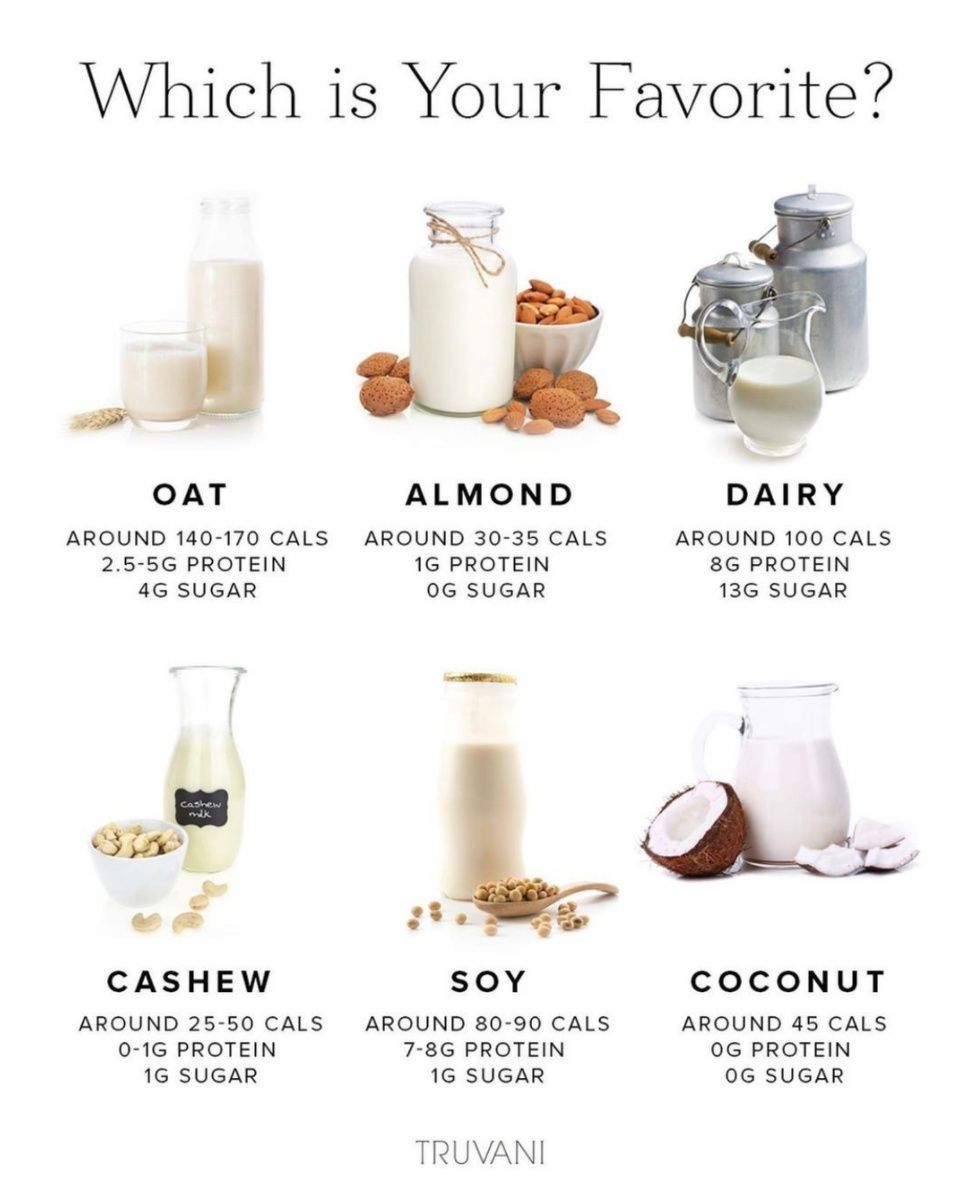
Soy milk is one of the most common plant-based milk alternatives and offers a similar protein content as cow’s milk. Almond milk is another popular choice known for its mild taste and low calorie count. Oat milk has gained traction recently for its creamy texture and heart-healthy properties.
2. Nutritional Comparison
While these plant-based milks don’t naturally contain calcium like cow’s milk does, many brands fortify their products with calcium and vitamin D to make them nutritionally comparable to traditional dairy products. It’s essential to check labels when purchasing these alternatives to ensure they meet your nutritional needs.
3. Yogurt Alternatives
If you love the tangy taste of yogurt but want a non-dairy option with less fat content, several alternatives are worth considering.
Coconut yogurt is made from coconut cream and offers a rich texture with tropical flavors. Soy yogurt provides a creamy consistency along with high protein content similar to regular yogurt. Almond-based yogurts are also emerging in the market with their nutty flavor profiles.
4. Cheese Alternatives
Cheese lovers need not worry about missing out on their favorite food group. Many low-fat dairy alternatives can serve as a suitable replacement.
Nut-based cheeses, such as almond and cashew cheese, offer creamy textures and robust flavors that closely resemble traditional cheeses. Soy-based cheeses are also available in various forms, including slices, shreds, and spreads.
5. Health Benefits of Low-Fat Dairy Alternatives
Low-fat dairy alternatives provide numerous health benefits for those who choose to avoid or reduce their consumption of traditional dairy products. These include:
– Reduced saturated fat intake: Traditional dairy products can be high in saturated fat, which has been linked to heart disease. Choosing low-fat alternatives decreases your intake of this unhealthy fat.
– Lactose-free options: For individuals with lactose intolerance, low-fat dairy alternatives provide a way to enjoy milk-like products without discomfort.
– Plant-based nutrients: Many non-dairy options offer additional nutritional value from the source plant they are derived from. For example, almond milk contains vitamin E and healthy fats from almonds.
6. Cooking and Baking with Low-Fat Dairy Alternatives
Low-fat dairy alternatives can be used in cooking and baking just like regular dairy products. They work well in recipes that call for milk or yogurt but may require some experimentation when it comes to cheese substitutes since melting properties vary.
In conclusion, if you’re looking to reduce your consumption of traditional dairy or have dietary restrictions that prevent you from consuming it altogether, there’s a wide range of low-fat dairy alternatives available on the market today. From plant-based milks to yogurt and cheese substitutes, these options provide similar tastes and textures while offering unique nutritional benefits. Experiment with different brands and varieties until you find the perfect fit for your taste buds and dietary needs!

Leave a Reply