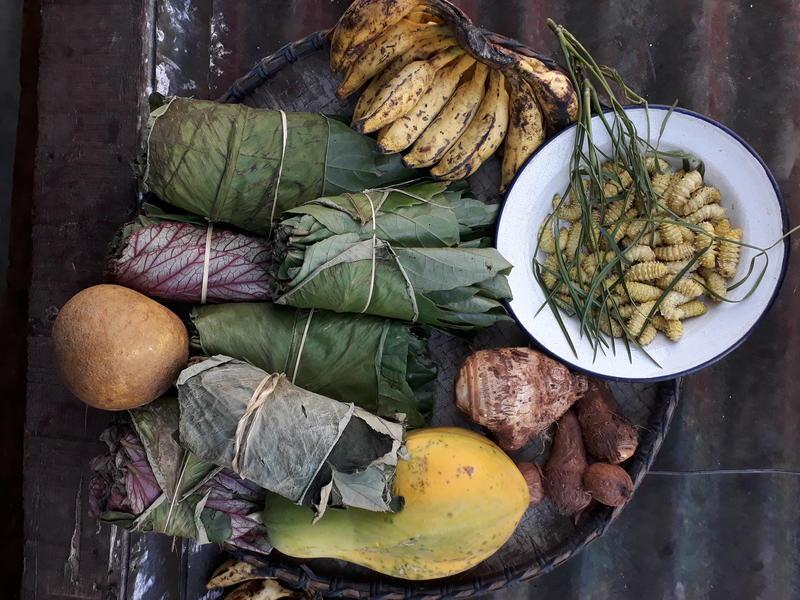
Indigenous Food Systems: A Journey Towards Health and Sustainability
In today’s world, where convenience often trumps nutritional value, it is essential to look back at our roots and embrace the wisdom of Indigenous food systems. These ancient ways of cultivating, gathering, and preparing food not only nourished generations but also contributed to the overall health of individuals and the environment. So let’s dive into the fascinating world of Indigenous food systems and explore how we can incorporate their practices into our modern lives.
Indigenous food systems are deeply rooted in a profound respect for nature. They recognize that humans are an integral part of the intricate web of life, rather than separate from it. Unlike conventional agriculture that often relies on chemical inputs and monoculture practices, Indigenous communities have long understood the importance of biodiversity for both ecological balance and human well-being.
For thousands of years, Indigenous peoples have cultivated a wide array of crops suited to their local environments. These include traditional staples like maize (corn), beans, squash, potatoes, quinoa, wild rice, amaranth – just to name a few. The cultivation methods employed by these communities prioritize sustainable practices such as intercropping or companion planting. By growing complementary plants together in one plot – each with its own unique benefits – they create harmonious ecosystems that increase soil fertility while minimizing pest problems.
Another key aspect of Indigenous food systems is the reliance on wild-harvested foods. From berries to mushrooms to various edible plants found in forests or prairies – these resources offer not only diverse flavors but also incredible nutritional value. Harvesting wild foods fosters a deeper connection with nature while simultaneously ensuring dietary diversity.
The preparation techniques used by Indigenous cultures are equally remarkable for their simplicity yet profound impact on nutrition. Traditional methods such as fermentation or soaking grains before cooking unlock nutrients otherwise inaccessible to our bodies. Additionally, these processes improve digestion while enhancing flavors.
One crucial element we can learn from Indigenous food systems is the practice of seasonal eating. Unlike our modern supermarkets, Indigenous communities understood and celebrated the natural cycles of food availability. They adjusted their diets to align with the changing seasons, consuming what was abundant during each time of year. By doing so, they ensured a varied intake of nutrients throughout the year while respecting nature’s rhythm.
Indigenous food systems also embody a deep sense of community and reciprocity. Traditional knowledge around food production and preparation is often passed down through generations via storytelling, rituals, or communal practices such as seed-saving ceremonies. This connection fosters a stronger bond within communities while preserving cultural heritage.
Incorporating Indigenous food systems into our lives doesn’t mean abandoning all modern practices; rather, it invites us to reconsider our relationship with food and nature. Here are some practical steps we can take:
1. Embrace local and seasonal produce: Support local farmers who prioritize sustainable agriculture methods and opt for fruits and vegetables that are in season.
2. Diversify your plate: Incorporate traditional crops like quinoa or amaranth alongside your usual staples to introduce new flavors and nutrients.
3. Explore wild foods: Learn about edible plants native to your region and experiment with incorporating them into your meals – be sure to do thorough research or consult experts before foraging!
4. Rediscover ancient techniques: Try fermenting vegetables at home or soaking grains overnight before cooking them – these methods not only enhance taste but also improve nutritional content.
5. Engage with Indigenous communities: Attend workshops or events organized by Indigenous groups focused on traditional food practices; this provides an opportunity to learn firsthand from those who have preserved this wisdom over centuries.
By embracing Indigenous food systems, we can reconnect with the land, diversify our diets, support local economies, and promote ecological sustainability – all while nourishing both body and soul.
Let’s honor the ancestral knowledge that has sustained humanity for millennia by reviving these timeless traditions in our modern lives. Together, we can create a healthier and more sustainable future for ourselves and the planet.

Leave a Reply