Food Preservation Methods: A Comprehensive Guide to Canning
Introduction:
In a world where fresh produce and perishable goods are readily available, it’s easy to forget the importance of food preservation. However, preserving food not only allows us to enjoy seasonal flavors all year round but also helps reduce waste and save money. One popular method of food preservation is canning. This article aims to provide a comprehensive guide to canning, covering various techniques, equipment needed, safety precautions, and some delicious recipes to get you started.
What is Canning?
Canning is a method of preserving food in which the contents are processed and sealed in jars or cans. The process involves heating the jars or cans to kill bacteria, yeast, molds, and other microorganisms that cause spoilage. By creating an airtight seal on the container, we prevent any further contamination from occurring.
Benefits of Canning:
1. Extended Shelf Life: Properly canned foods can last for several years without losing their nutritional value.
2. Convenience: Having canned goods readily available saves time spent on frequent grocery shopping.
3. Cost-Effective: Buying fresh produce in bulk when it’s in season and then preserving it through canning helps reduce overall expenses.
4. Nutritional Value Retention: Many essential vitamins and minerals remain intact during the canning process.
Methods of Canning:
There are two primary methods of canning – water bath canning (also known as boiling water bath) and pressure canning:
1. Water Bath Canning:
Water bath canning is suitable for high-acid foods with pH values below 4.6 such as fruits (except figs), pickles (acidified), jams/jellies/marmalades made with high-acid ingredients like citrus fruits or cranberries.
Steps for Water Bath Canning:
a) Prepare your recipe according to trusted sources like USDA guidelines.
b) Sterilize your jars and lids in boiling water for a few minutes.
c) Fill the jars with the prepared food, leaving the recommended headspace mentioned in your recipe.
d) Remove any air bubbles by gently tapping the jar or running a non-metallic utensil around its edges.
e) Wipe off any spills from the rim of the jar before placing sterilized lids on top.
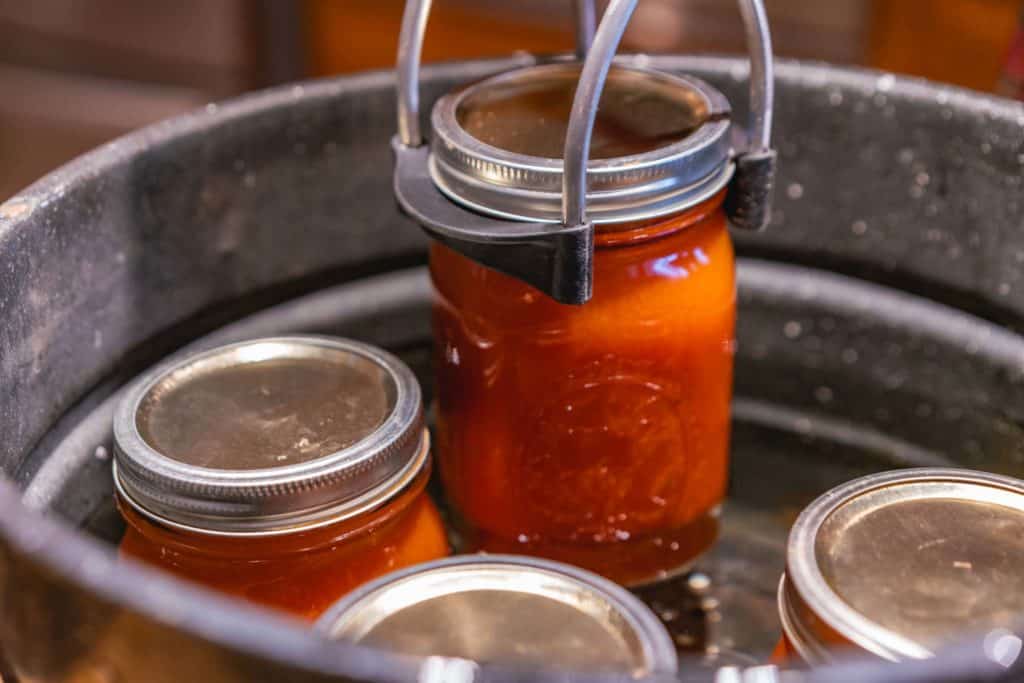
f) Process jars in a large pot of boiling water, ensuring they are fully submerged by at least one inch. Follow specific processing times provided by trusted sources based on altitude and your recipe.
g) After processing, carefully remove jars using canning tongs and let them cool undisturbed on a towel-lined surface for 12-24 hours.
2. Pressure Canning:
Pressure canning is essential for low-acid foods with pH values above 4.6 such as vegetables, beans, meat, poultry, seafood. These require higher temperatures to eliminate harmful bacteria like Clostridium botulinum.
Steps for Pressure Canning:
a) Prepare your recipe following safe guidelines such as those provided by the USDA or National Center for Home Food Preservation (NCHFP).
b) Sterilize jars and lids using boiling water or dishwasher cycles.
c) Fill each jar with prepared food while maintaining proper headspace according to your recipe’s instructions.
d) Remove air bubbles by sliding a non-metallic spatula inside the jar walls.
e) Clean rims of jars using a damp cloth to ensure proper sealing before placing sterilized lids on top.
f) Place filled jars onto the rack inside a pressure canner containing an appropriate amount of water according to manufacturer instructions. Seal it securely with its lid and bring it up to temperature gradually following specific procedures outlined in reliable resources like NCHFP or USDA guides.
g) Process at recommended pressures and times specified within reputable sources while maintaining consistent pressure throughout cooking time.
h) Once done processing, turn off the heat and allow canner pressure to return to zero before opening. Remove jars using a jar lifter, placing them on a towel-lined surface for cooling.
Safety Precautions:
1. Choose high-quality ingredients.
2. Always use tested recipes from trusted sources.
3. Sanitize your equipment thoroughly.
4. Follow recommended processing times and pressures based on accurate altitude calculations.
5. Discard any cans or jars with signs of spoilage, bulging lids, or unusual odors.
Delicious Canning Recipes:
1. Strawberry Jam: Preserve the sweetness of summer by making homemade strawberry jam using fresh strawberries, sugar, and lemon juice.
2. Dill Pickles: Create tangy pickles by combining cucumbers, dill weed, vinegar, water, salt, garlic cloves, and various spices in a brine solution.
3. Tomato Sauce: Make versatile tomato sauce by cooking down ripe tomatoes with onions, garlic, herbs like basil and oregano until thickened before canning it for later use in pasta dishes or pizza toppings.
Conclusion:
Canning is an excellent way to preserve food while retaining its nutritional value and flavors throughout the year. By following proper procedures and safety precautions for water bath canning or pressure canning depending on the food’s acidity level; you can create delicious canned goods that will save you time and money while reducing food waste. So why not explore this traditional preservation method and enjoy seasonal produce all year round? Happy canning!

Leave a Reply