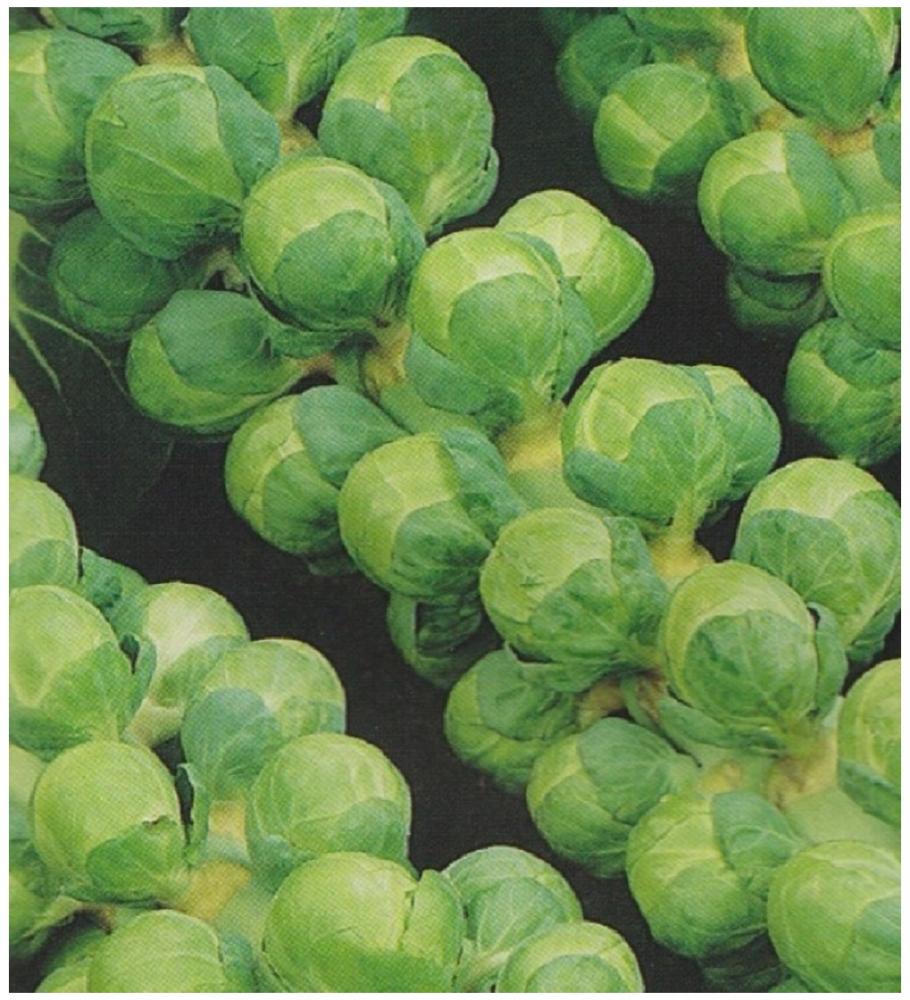
Selecting fresh Brussels sprouts is key to ensuring that you have the best-tasting and nutritious addition to your meals. These miniature cabbage-like vegetables are packed with vitamins, minerals, and fiber, making them a fantastic choice for a healthy diet. However, not all Brussels sprouts are created equal. To make sure you pick the freshest ones available, here are some tips and tricks to keep in mind when selecting these delicious little veggies.
1. Look for firm and compact sprouts: When picking Brussels sprouts, it’s important to choose ones that feel firm and dense. Avoid those that appear soft or spongy as they may be past their prime. The leaves should be tightly wrapped around each other without any signs of wilting or browning.
2. Check the color: Fresh Brussels sprouts should have vibrant green-colored leaves with no yellowing or discoloration. The outer leaves might have a slightly darker shade than the inner ones but should still look fresh overall.
3. Assess the size: Brussels sprouts come in various sizes ranging from small marble-sized ones to larger golf ball-sized ones. While size doesn’t necessarily indicate freshness, smaller sprouts tend to be sweeter and more tender compared to their larger counterparts.
4. Inspect for pests or damage: Take a close look at the surface of the Brussels sprouts for any signs of insect infestations or damage caused by pests like aphids or caterpillars. Though minor cosmetic damage can be trimmed away during preparation, it’s best to avoid heavily damaged sprouts altogether.
5. Feel the weight: Heavier Brussels sprout heads often indicate higher water content, which means they are likely fresher than lighter ones that may have dried out over time.
6. Consider purchasing on stalks: If available, buying Brussels sprout stalks rather than loose individual pieces can ensure maximum freshness since they remain attached until just before consumption.
7. Seasonal availability: Brussels sprouts are cool-weather vegetables that thrive in colder temperatures. They are typically in season during the fall and winter months, so try to buy them during these times for optimal freshness.
8. Organic vs. conventionally grown: When it comes to choosing between organic and conventionally grown Brussels sprouts, personal preference plays a significant role. Organic options are grown without the use of synthetic pesticides or fertilizers, which some people prefer for health or environmental reasons.
9. Farmer’s markets and local produce stands: If possible, consider purchasing your Brussels sprouts from farmer’s markets or local produce stands. These sources often offer freshly harvested vegetables that have traveled shorter distances, ensuring better quality and taste.
10. Storage considerations: Once you’ve selected your fresh Brussels sprouts, proper storage is crucial to maintain their freshness until you’re ready to cook with them. Keep them unwashed in a perforated plastic bag or an open container in the refrigerator’s crisper drawer. They should stay fresh for about one week.
In conclusion, selecting fresh Brussels sprouts involves using all your senses – look for firmness, vibrant coloration, absence of damage or pests while considering size and weight as secondary factors. Remember to purchase during their peak season if possible and explore local sources like farmer’s markets for fresher options. By following these guidelines when selecting Brussels sprouts, you can ensure that they will not only be delicious but also provide maximum nutritional benefits for your healthy eating journey!

Leave a Reply