Chlorella and Its Role in Cancer Prevention
In recent years, there has been an increasing interest in natural remedies for preventing and treating various diseases, including cancer. One such remedy that has gained considerable attention is chlorella. Chlorella is a type of green algae that is packed with essential nutrients and offers numerous health benefits. In this article, we will explore the potential role of chlorella in cancer prevention.
Before delving into the specifics, it’s important to understand what cancer is and how it develops. Cancer is a complex disease characterized by the uncontrolled growth and spread of abnormal cells in the body. These cells can invade nearby tissues and form tumors or metastasize to other parts of the body through the bloodstream or lymphatic system.
Preventing cancer involves adopting a healthy lifestyle that includes regular exercise, avoiding tobacco and excessive alcohol consumption, maintaining a healthy weight, reducing exposure to environmental toxins, and eating a balanced diet rich in fruits, vegetables, whole grains, lean proteins, and healthy fats.
Chlorella holds immense potential as a dietary supplement due to its unique nutritional profile. It contains an abundance of vitamins (including vitamin C), minerals (such as iron and magnesium), antioxidants (like chlorophyll), amino acids (including all nine essential amino acids), fiber, omega-3 fatty acids, nucleic acids (RNA/DNA), enzymes (such as superoxide dismutase), polysaccharides (like chlorellan), and growth factors.
Several studies have shown promising results regarding chlorella’s ability to prevent cancer development:
1. Antioxidant Activity: Chlorella is rich in antioxidants like chlorophyll which help neutralize harmful free radicals that can damage DNA within cells. Free radicals are highly reactive molecules produced by normal bodily processes or introduced through external sources like pollution or cigarette smoke. By reducing oxidative stress on our cells’ DNA structure through antioxidant activity found in chlorella, we can potentially lower the risk of cancer development.
2. Immune System Support: A healthy immune system plays a crucial role in defending our bodies against cancer cells. Chlorella has been found to enhance the activity of natural killer (NK) cells, macrophages, and other immune cells that target and destroy abnormal cells within our bodies. By boosting immune function, chlorella may help prevent the formation and progression of cancerous growths.
3. Detoxification: Chlorella possesses unique properties that enable it to bind to heavy metals like lead, mercury, cadmium, and arsenic in the body. These heavy metals are known carcinogens and can accumulate in our tissues over time through exposure from food, water, air pollution or dental amalgams. By facilitating their elimination from the body through its fibrous cell wall structure and chlorophyll content, chlorella may reduce the risk associated with heavy metal toxicity-induced cancers.
4. Anti-inflammatory Effects: Chronic inflammation is closely linked to various types of cancer as it contributes to DNA damage and promotes tumor growth. Chlorella has demonstrated anti-inflammatory effects by inhibiting inflammatory cytokines such as TNF-alpha and interleukin-6 while increasing IL-10 levels which suppress inflammation. By reducing chronic inflammation within the body, chlorella may help prevent or slow down cancer progression.
5. Anti-Cancer Properties: Research suggests that certain compounds present in chlorella may possess direct anti-cancer properties by inducing apoptosis (programmed cell death) in cancer cells or inhibiting their growth through different mechanisms such as interfering with angiogenesis (formation of new blood vessels required for tumor growth). However, more studies are needed to fully understand these potential benefits.
It’s worth mentioning that while there is promising research on chlorella’s potential role in preventing cancer development; it should not be considered a standalone treatment for existing cancers or a substitute for conventional cancer therapies. Chlorella should be used as part of a comprehensive approach to cancer prevention and under the guidance of healthcare professionals.
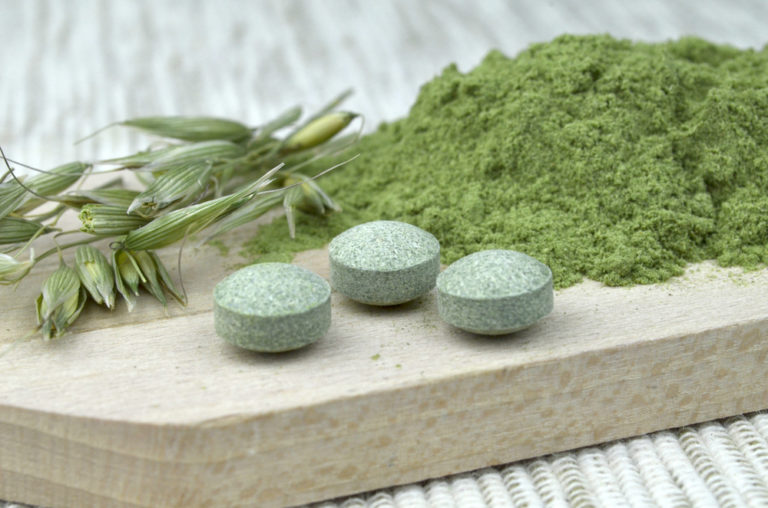
Incorporating chlorella into your diet is relatively easy. It is available in various forms, including powder, tablets, and capsules. Chlorella powder can be added to smoothies or juices, while tablets or capsules offer a convenient option for those on the go.
When choosing a chlorella supplement, opt for high-quality sources that are tested for purity and free from contamination. Look for reputable brands that adhere to Good Manufacturing Practices (GMP) and have undergone third-party testing.
As with any dietary change or supplementation, it’s essential to consult with your healthcare provider before incorporating chlorella into your routine—especially if you have any underlying health conditions or are taking medications that may interact with its compounds.
In conclusion, while more research is needed to fully understand the mechanisms by which chlorella exerts its potential anti-cancer effects; there is promising evidence highlighting its role in preventing cancer development. The unique nutritional composition of chlorella, coupled with its antioxidant activity, immune system support, detoxification properties, anti-inflammatory effects and potential direct anti-cancer properties make it an intriguing addition to a balanced diet aimed at reducing the risk of cancer. Remember that adopting a healthy lifestyle remains paramount in reducing your risk of developing cancer; however, incorporating nutrient-dense foods like chlorella may provide additional benefits in promoting overall health and well-being.

Leave a Reply