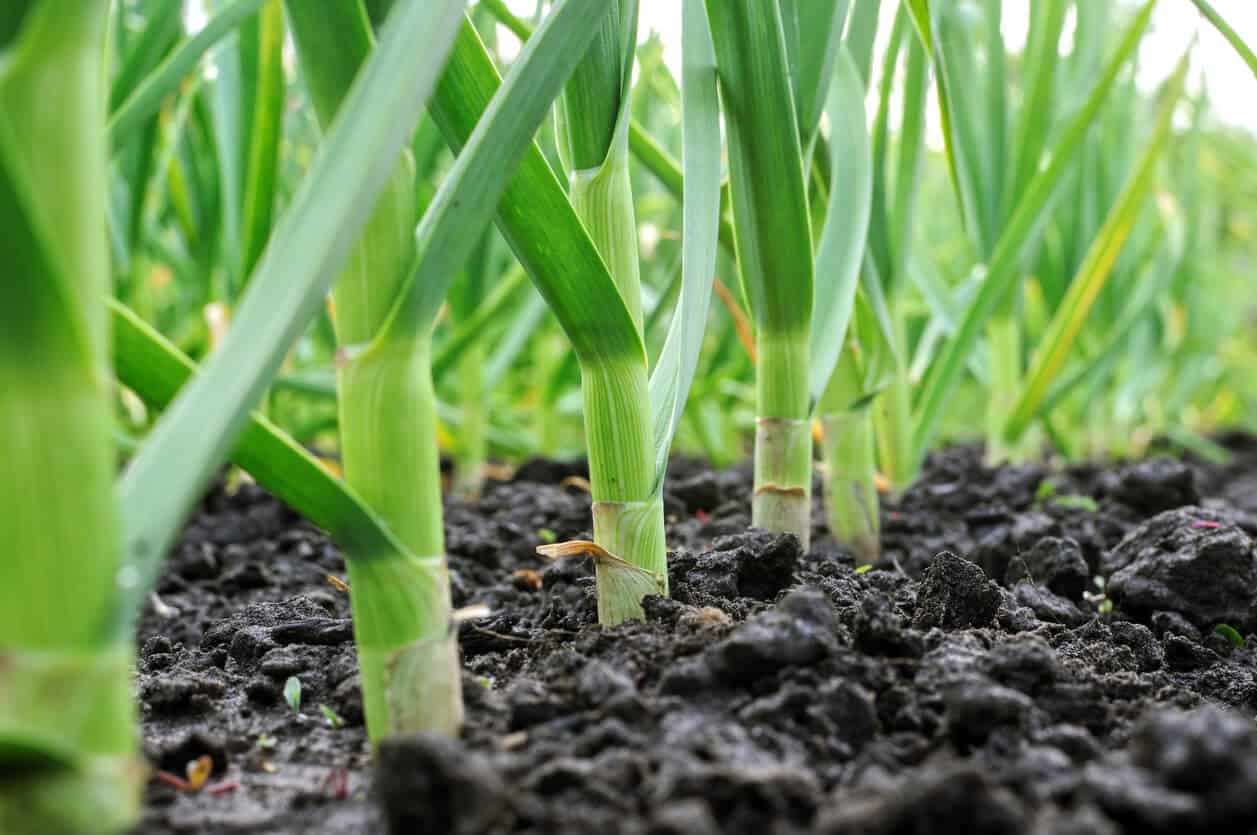
Garlic, known for its distinct aroma and flavor, is not only a staple ingredient in various cuisines but also renowned for its numerous health benefits. From boosting the immune system to reducing cholesterol levels, garlic has earned its reputation as a powerful superfood. With its popularity on the rise, many individuals are curious about the production costs involved in cultivating this versatile herb.
Garlic cultivation requires careful attention and patience, making it an art form that combines knowledge of horticulture with agricultural techniques. The cost of producing garlic can vary depending on several factors such as location, cultivation method, labor expenses, and market conditions.
Location plays a vital role in determining garlic production costs due to variations in climate and soil conditions. Garlic thrives best in temperate regions with well-drained soil rich in organic matter. Countries like China, India, Spain, South Korea, and Egypt are among the largest producers of garlic worldwide.
In terms of cultivation methods, there are two primary approaches: conventional farming and organic farming. Conventional farming entails the use of chemical fertilizers and pesticides to enhance crop yield while combating pests and diseases. Organic farming focuses on sustainable practices without synthetic inputs or genetically modified organisms (GMOs).
The choice between conventional and organic farming impacts both financial costs and environmental considerations. Conventional farmers may incur higher expenses due to purchasing chemical inputs such as fertilizers and pesticides regularly. Conversely, organic farmers invest more time and effort into building healthy soil through composting or using natural pest control methods like companion planting.
Labor costs represent another significant factor affecting garlic production expenses. During the growing season which typically lasts six to eight months from planting to harvest time – labor-intensive tasks include land preparation, planting cloves manually or mechanically if available technology permits it) weeding fields regularly throughout the growing period( harvesting bulbs when they reach maturity( curing harvested bulbs properly before storage). In countries where manual labor is less expensive than mechanized processes or where labor laws are more lenient, labor costs tend to be lower.
Harvesting garlic is a delicate process that requires skilled hands. Each bulb needs to be carefully pulled out of the ground without damaging its papery skin or cloves. After harvesting, the bulbs must undergo a curing process to dry out excess moisture and develop their characteristic flavor. This curing period typically lasts for three to four weeks under controlled conditions of temperature and humidity.
The cost of land rental or ownership represents another significant expense in garlic production. Farmers need suitable acreage with proper soil quality and drainage systems to ensure optimal growth. The price of land varies significantly depending on location and demand in that particular area.
Furthermore, storage facilities are essential for preserving harvested garlic bulbs until they reach the market. These facilities should maintain specific temperature and humidity levels to prevent spoilage or sprouting prematurely. Investing in proper storage infrastructure is vital for farmers looking to maximize profitability by extending their selling season.
Market conditions also impact the overall production costs of garlic. Fluctuations in supply and demand can influence prices dramatically, affecting profitability for farmers. Oversupply can lead to lower prices as producers compete against each other, while high demand may drive up prices due to limited availability.
Transportation costs must also be considered when calculating garlic production expenses since most commercial growers sell their harvests through wholesale markets or directly supply supermarkets and restaurants within domestic or international markets where they can fetch higher prices compared with local farm-gate sales outlets alone). Distance from farm locations influences transportation expenses; longer distances may require refrigerated trucks or air freight services which incur additional charges.
In conclusion, garlic production costs involve several factors that contribute significantly to overall expenses. Location-specific variables such as climate, soil conditions, and land availability play crucial roles in determining cultivation methods employed by farmers—whether conventional or organic farming approaches—impacting financial outlays accordingly.
Labor expenses incurred during various stages of cultivation from planting cloves manually/mechanically (if technology permits) to harvesting, curing, and post-harvest storage requirements significantly affect overall production costs. Land rental or ownership costs and storage infrastructure investments are also necessary considerations.
Lastly, market conditions such as supply and demand fluctuations influence garlic prices, impacting profitability for producers. Transportation expenses may further add to the overall cost if garlic needs to be transported long distances.
While garlic production costs may vary depending on these factors, it is crucial to understand that the health benefits and culinary delights offered by this versatile herb make it a worthwhile investment for both farmers and consumers alike.

Leave a Reply