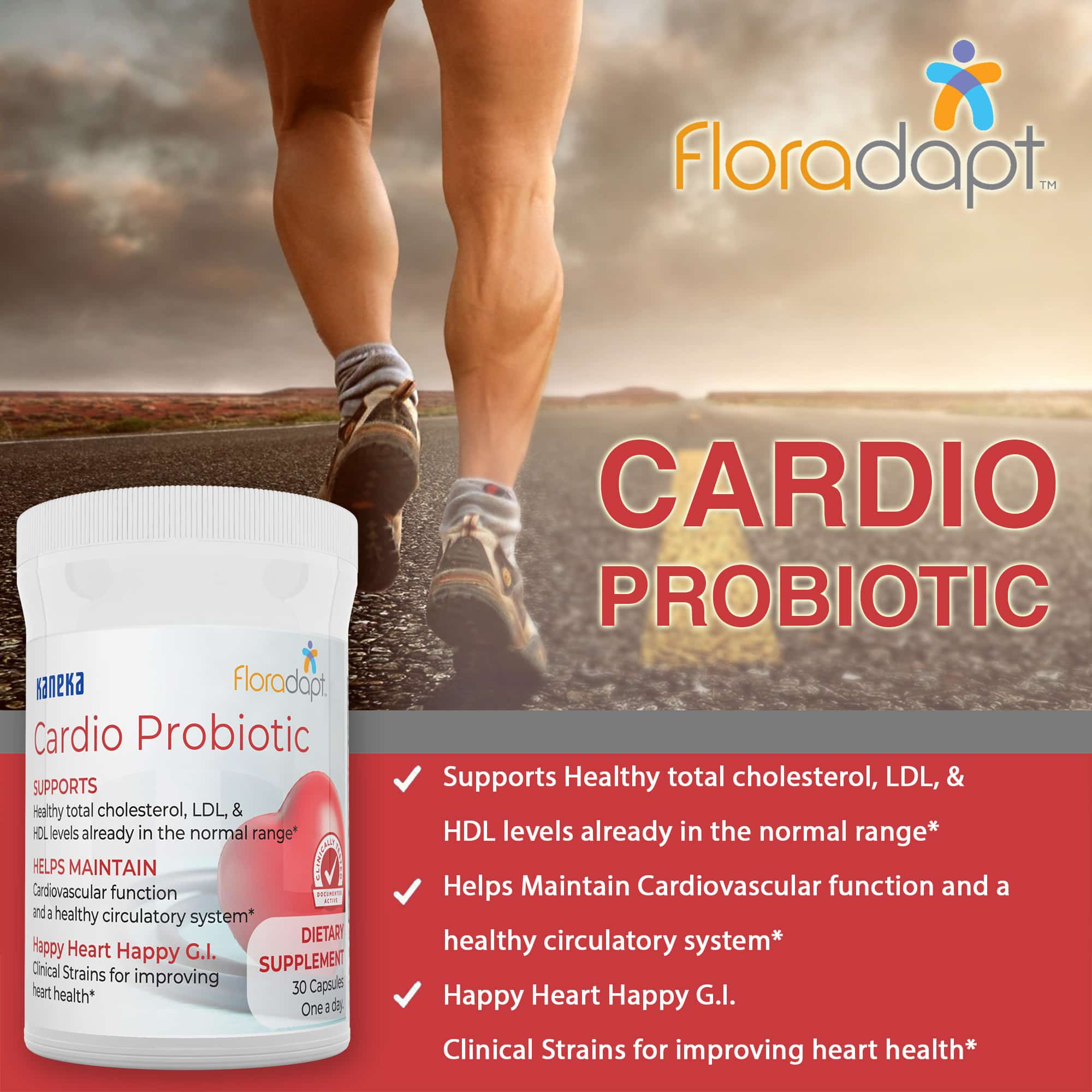
Prebiotics and Cardiovascular Health: Nurturing Your Heart with Good Gut Health
When it comes to maintaining a healthy heart, most of us are familiar with the importance of regular exercise, a balanced diet, and avoiding harmful habits like smoking. However, recent scientific research is shedding light on another crucial factor in cardiovascular health that may surprise you – the gut microbiome.
The gut microbiome refers to the trillions of microorganisms residing in our digestive system. These microbes play a vital role in various aspects of our overall health, including digestion, metabolism, immune function, and even mental well-being. One key component of promoting a healthy gut microbiome is through the consumption of prebiotics.
Prebiotics are non-digestible fibers found in certain foods that serve as fuel for beneficial bacteria in our gut. They essentially act as nourishment for these “good” bacteria, promoting their growth and activity while crowding out harmful microbes. By supporting a diverse and balanced microbial community within our digestive system, prebiotics can have far-reaching effects on our health – including cardiovascular health.
Several studies have shown promising links between prebiotic consumption and improved cardiovascular markers. For example, one study published in the Journal of Nutrition found that middle-aged adults who consumed prebiotic-rich foods had lower levels of total cholesterol and LDL cholesterol (often referred to as “bad” cholesterol). Another study conducted by researchers at the University College Cork discovered that prebiotic supplementation reduced both systolic blood pressure (the top number) and diastolic blood pressure (the bottom number) among overweight adults.
The mechanisms behind these benefits lie in how prebiotics influence various processes related to heart health:
1. Reducing inflammation: Chronic inflammation plays a significant role in the development of cardiovascular diseases such as atherosclerosis (hardening of arteries). Prebiotics promote the growth of anti-inflammatory bacteria while inhibiting pro-inflammatory ones, thus helping to maintain a healthy inflammatory response.
2. Modulating lipid metabolism: Prebiotics have been shown to improve lipid profiles by reducing total cholesterol and LDL cholesterol levels while increasing HDL cholesterol (often referred to as “good” cholesterol) levels. This, in turn, lowers the risk of plaque buildup in the arteries and decreases the chances of developing heart disease.
3. Managing blood pressure: High blood pressure is a leading risk factor for cardiovascular diseases. Studies suggest that prebiotic consumption can help regulate blood pressure by enhancing nitric oxide production – a compound that relaxes blood vessels and improves blood flow.
4. Enhancing gut barrier function: A healthy gut barrier prevents harmful substances from entering the bloodstream, reducing systemic inflammation and oxidative stress – both of which contribute to cardiovascular diseases. Prebiotics improve gut barrier function by promoting the growth of beneficial bacteria, strengthening intestinal epithelial cells, and enhancing mucus production.
Now that we understand how prebiotics support cardiovascular health let’s explore some natural sources of these valuable fibers:
1. Chicory Root: This root vegetable contains high amounts of inulin, one of the most well-known prebiotic fibers.
2. Jerusalem Artichoke: Often enjoyed as a side dish or added to salads, Jerusalem artichokes are rich in inulin and fructooligosaccharides (FOS).
3. Garlic: Beyond its culinary uses, garlic contains fructans – another type of prebiotic fiber known for its potential heart-protective effects.
4. Onions: Whether cooked or raw, onions offer various health benefits due to their content of fructans.
5. Bananas: Rich in resistant starches that act as prebiotics once they reach the large intestine, bananas are an easily accessible source for anyone looking to boost their gut health.
6. Oats: Besides being an excellent source of soluble fiber, oats contain beta-glucan, a prebiotic fiber that has been linked to improved heart health.
While incorporating prebiotic-rich foods into your diet is an effective way to support cardiovascular health, it’s important to do so gradually. Increasing fiber intake too quickly can lead to bloating and digestive discomfort. Additionally, if you have any underlying medical conditions or are taking medications, consult with a healthcare professional before making significant dietary changes.
In conclusion, nurturing your heart goes beyond just exercise and a healthy diet – it involves nourishing your gut microbiome as well. By consuming prebiotic-rich foods, you can promote the growth of beneficial bacteria in your gut, which has been associated with improved cardiovascular markers such as reduced cholesterol levels and blood pressure. So next time you plan your meals or head to the grocery store, remember to prioritize these gut-friendly choices for the sake of your heart’s health.

Leave a Reply