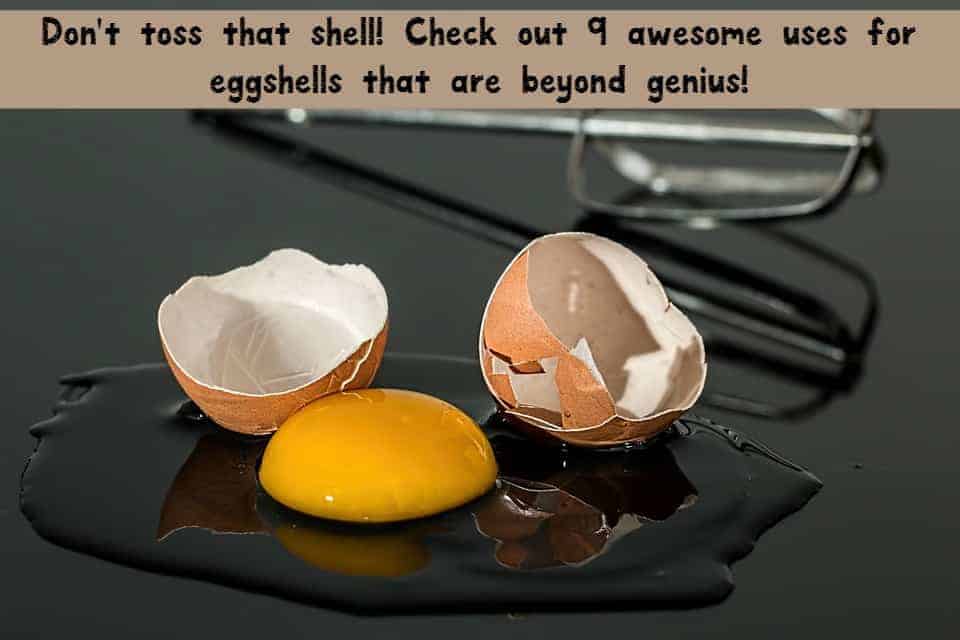
Eggshells are often discarded without a second thought, but did you know that they can be incredibly versatile and useful? If you’re someone who enjoys free-range eggs and wants to make the most of every part of them, then this article is for you. In this post, we will explore creative ways to use leftover eggshells that go beyond composting or tossing them into the trash. These ideas will not only reduce waste but also provide added benefits to your health and well-being.
1. Calcium-rich supplement
One of the main components of eggshells is calcium carbonate, which makes up about 95% of its composition. Instead of relying solely on store-bought supplements, why not create your own natural calcium supplement? Begin by saving clean eggshells from your free-range eggs. Once you have collected enough shells (about a dozen), boil them in water for around five minutes to sanitize them thoroughly. Allow the shells to dry completely before grinding them into a fine powder using a blender or mortar and pestle. Store the powder in an airtight container and consume it as needed for an added boost of calcium in smoothies, oatmeal, or even homemade toothpaste.
👉 Check it out: Shop Organic Supplements on Amazon
2. Garden fertilizer
Eggshells can be an excellent addition to your garden as they provide essential nutrients such as calcium, magnesium, potassium, phosphorus, and trace minerals like zinc and copper. Crushed eggshells act as a slow-release fertilizer that promotes healthy plant growth while preventing common issues like blossom end rot in tomatoes or tip burn in lettuce leaves.
👉 Check it out: Shop Vitamin D3 on Amazon
To prepare eggshell fertilizer, start by rinsing out any remaining membrane from inside each shell after cracking it open for cooking or baking purposes. Let the shells air-dry naturally until they become brittle. Use a mortar and pestle or food processor to crush the shells into small pieces.
Before applying crushed eggshells directly onto your soil around plants or in planting holes, it’s crucial to sterilize them. Preheat your oven to 250°F (120°C) and spread the crushed shells on a baking sheet lined with parchment paper. Bake for around 10-15 minutes, ensuring they become dry and brittle without browning. Allow them to cool completely before applying as fertilizer.
3. Pest deterrent
Eggshells can also be utilized as a natural pest deterrent in your garden. Many insects, such as slugs and snails, have soft bodies that are vulnerable to sharp edges. Crushed eggshells act as a physical barrier that these pests find difficult to cross.
To create an effective pest deterrent, scatter crushed eggshells around the base of susceptible plants or create a protective ring around each plant individually. This method is especially useful for protecting delicate greens or seedlings from being eaten by slimy invaders.
4. Compost booster
If you’re already composting kitchen scraps and garden waste, consider adding crushed eggshells to enhance the process further. Eggshells help balance pH levels in compost heaps while providing valuable nutrients for beneficial microorganisms involved in decomposition.
Before adding eggshells to your compost pile, rinse out any remaining egg white or yolk residue from inside the shell using cold water – hot water may cause coagulation and make cleaning more challenging later on. Once clean, allow the shells to air-dry naturally before crushing them into smaller pieces.
Sprinkle crushed eggshell fragments throughout your compost pile instead of dumping them all at once in one particular area. Doing so will help avoid clumping and ensure even distribution within the mix.
5. Seedling pots
Instead of buying plastic seedling pots that end up cluttering landfills after use, why not start seedlings directly in biodegradable eggshell halves? This method provides an eco-friendly alternative while offering additional nutrients during germination.
Start by cracking eggs carefully near the top, retaining as much of the shell as possible. Empty out the contents for cooking or baking purposes, ensuring you preserve most of the shell intact. Rinse each eggshell half thoroughly and let them air-dry.
Fill each empty eggshell half with a seed-starting mix or potting soil and sow your seeds according to their specific requirements. Place the eggshell halves in an empty egg carton for stability and easy transport. When it’s time to transplant, gently crush or peel away the bottom of each shell before planting directly into your garden bed or larger pots.
6. Household abrasive cleaner
The fine powder created from ground eggshells makes an excellent natural abrasive cleaner for household use. Use this gentle yet effective cleanser on surfaces that require some extra scrubbing power without resorting to harsh chemicals.
To make your own homemade abrasive cleaner, collect enough clean and dry eggshells from free-range eggs to fill a small jar halfway. Grind them into a fine powder using a blender or mortar and pestle until you achieve your desired consistency.
Mix equal parts of the powdered eggshells with baking soda in another container – this will enhance its cleaning properties further while adding deodorizing benefits. Store this mixture in an airtight jar labeled “abrasive cleaner.” To use, simply sprinkle a small amount onto a damp cloth or sponge and scrub away stubborn stains on sinks, countertops, stovetops, or even ceramic cookware.
7. Calcium-rich vinegar
If you’re looking for another way to extract calcium from eggshells but want something more versatile than powdered form, try making calcium-rich vinegar instead.
Start by rinsing out any remaining membrane from inside several clean and dry eggshells after cracking them open for cooking or baking purposes. Let them air-dry completely before crushing them into smaller pieces using a mortar and pestle or food processor.
Place these crushed shells into a glass jar and cover them with apple cider vinegar or white wine vinegar. Ensure the shells are fully submerged in the liquid, adding more vinegar if necessary. Seal the jar tightly and store it in a cool, dark place for two to four weeks, shaking occasionally to promote extraction.
After the steeping period, strain out the eggshell remnants using a fine-mesh strainer or cheesecloth. Transfer the calcium-rich vinegar into a clean bottle and store it in your refrigerator for up to six months. Use this homemade calcium-infused vinegar as an ingredient in salad dressings, marinades, or even as a natural hair rinse.
In conclusion, don’t let leftover eggshells go to waste! These creative uses provide practical alternatives that not only reduce waste but also offer numerous benefits for your health and environment. From supplementing your diet with homemade calcium powder to enhancing garden soil fertility and deterring pests naturally, there are plenty of ways to put these discarded shells to good use. So next time you crack open an egg from free-range hens, remember that every part can be valuable – including the shell!
🛒 Recommended Products
As an Amazon Associate, we earn from qualifying purchases.
Disclosure: This post contains Amazon affiliate links. As an Amazon Associate, we earn from qualifying purchases at no additional cost to you.

Leave a Reply